
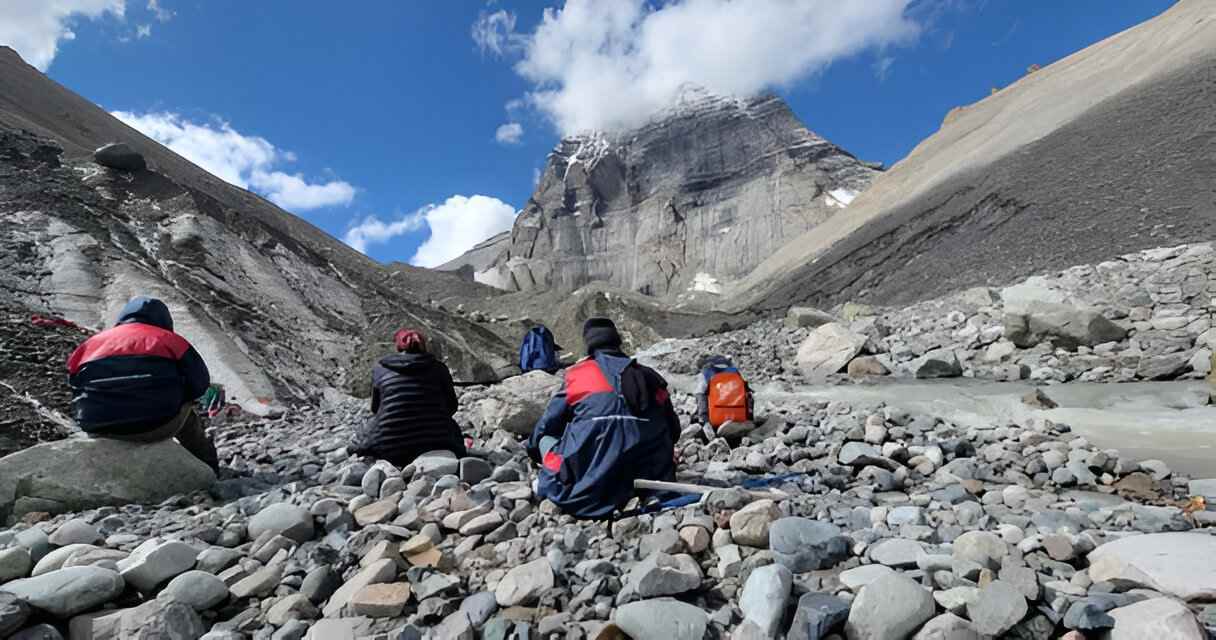
The Inner Kora, or Inner Parikrama, is possibly the most sacred and most difficult pilgrimage trek in the world: unlike the Outer Parikrama, which the majority of pilgrims take to walk around the outer perimeter of Mount Kailash, the Inner Kora leads devotees much closer to the mountain itself and includes some sites sacred to various faiths: Hindu, Buddhist, Jain, and Bon. In comparison to the outer one, this inner trek is more extensive, requiring mountaineering experience, equipment, and an adventurous spirit.
What is the Inner Kora of Mount Kailash?
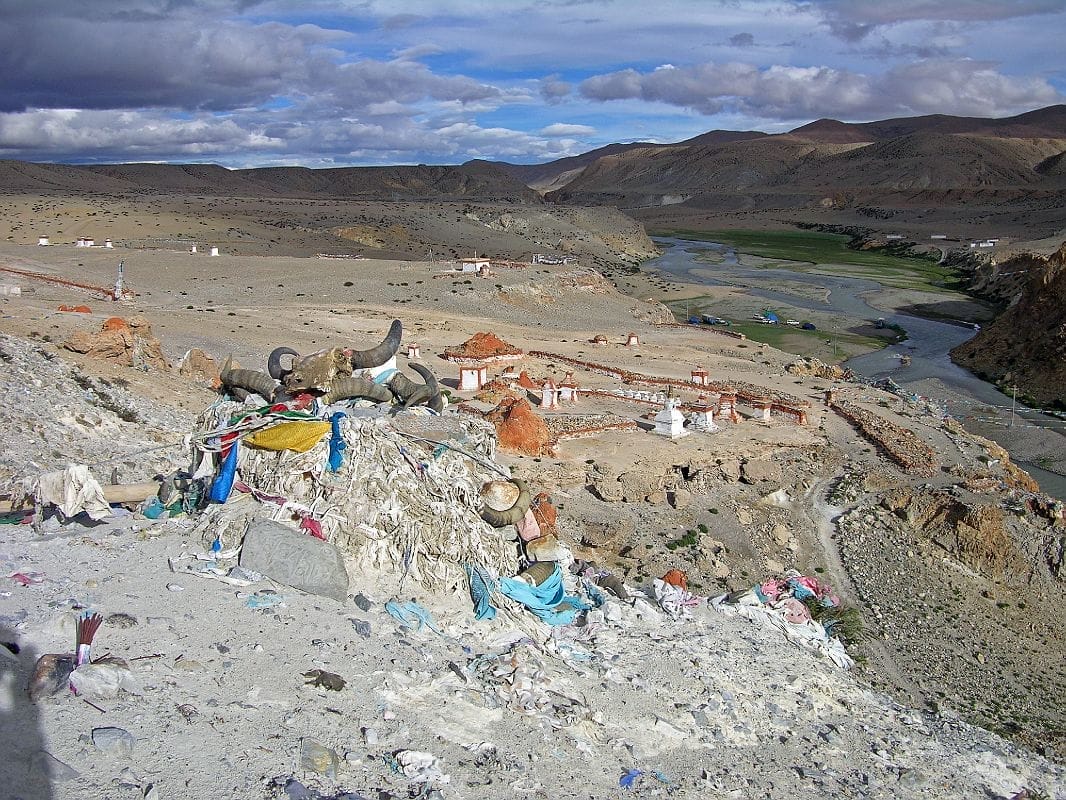
The following sites include Asthapath, Nandi Parvat, Atmalingam, Saptarishi Cave, and Rakshas Lingam were traversed by pilgrims on foot whilst taking the Inner Kora – a trail of thirty-four kilometers that surrounds Mount Kailash – bringing them round some of the most revered places but right within some of its most sequestered. The rocks, crevices, snow, and ice present the kind of harsh environment that tests one’s mettle. Pilgrims undertaking this trek are believed to be walking on a spiritual path not only because such walking brings devotees nearer to the divine and spiritual liberation into faster time, but also because most consider the necessity of doing so during the Inner Kora pilgrimage.
Whenever the Inner Kora is traversed, it is with the intention of taking a pilgrimage from the lowest part of a slate mountain range to the highest point of that same mountain range. The Inner Kora takes around thirty-four kilometers around the sacred Mount Kailash and includes stops at the following significant sites: Asthapath, Nandi Parvat, Atmalingam, Saptarishi Cave, and Rakshas Lingam.
The elements of landscape include rock and crevices, snow, and ice, not making it easy. Most of the people doing this journey do it for spiritual reasons. According to belief, by walking Inner Kora, devotees come near to the divine and speed up their spiritual liberation. They spend thirty-four kilometers walking around one of the most sacred and remote pilgrimage sites surrounding Mount Kailash.
The pilgrimage to Mount Kailash begins and it ends at Darchen, where the base camp for Kailash is located; where it passes high into the Nandi La and Khandosalgam La mountain passes and the way there is told-to tents for pilgrims where they camp before the real test of strength, endurance, and faith, and really enjoy the trek. Closer looks of Mount Kailash can actually be sighted from the Serlung Monastery, which is said to really have a beautiful backdrop for reflection and prayer.
What is the Mystery of Mount Kailash Cave?
Mountain Kailash has several caves that are regarded as sacred. One of the most important is the Saptarishi Cave, which lies along the Inner Kora route. This cave is reputed to be the meditation place of the seven sages, or Saptarishis, revered seers without whom no Hindu rituals are complete. During their walk, devotees go to this cave to seek benediction and to meditate in the presence of revered Saptarishis.
Different from the Saptarishi cave is another cave at the hillside base of the Mount Kailash. Many secrets and legends surrounds it and many believe that has profound spiritual meaning. It can even be a gateway to another dimension where immense powers resides. The use as well as the nature of the cave has intrigued many. If the cave does exist, can it be the ticket to deeper spiritual bypassing?
Can We Touch Kailash Parvat?
While Mount Kailash Parbat is considered one of the holiest mountains in the world, physical contact with the peak itself is not allowed. Pilgrims who undertake the Parikrama or Inner Kora do not reach the summit, as climbing Mount Kailash is prohibited by local authorities in Tibet. The ban on climbing is seen as a way to preserve the sanctity of the mountain.
However, pilgrims who complete the Parikrama can approach the base of the mountain, offering prayers and meditations. The Charan Sparsh, which involves touching the holy feet of Mount Kailash from the Derapuk Monastery, is a significant spiritual act during the trek, and pilgrims often feel a deep sense of divine connection during this moment.
What is the Cave in the Foot of Mount Kailash?
The cave at the foot of Mount Kailash is another important religious site. This cave is associated with various mythological stories and is believed to be the place where Lord Shiva resides in deep meditation. Pilgrims often visit the cave as part of their spiritual journey, offering prayers and seeking blessings from Lord Shiva. The cave represents the profound spiritual energy that emanates from Mount Kailash and serves as a reminder of the mountain’s sacredness.
Read more about: Mount Kailash Mystery: Why It’s More Than Just a Mountain
Highlights of Kailash Inner Kora
- Kathmandu Valley Tour: Explore the UNESCO World Heritage sites, including the revered Pashupatinath Temple.
- Travel to Mount Kailash: Drive along the well-paved road until you reach the base of Mount Kailash at Darchen.
- Kailash Parikrama: Undertake a 39 km trek around Mount Kailash, with an option to ride a horse for assistance.
- Crossing Dolma La Pass: Experience the highest pass at 5,613 meters during the Kailash Parikrama.
- Sacred Sites Visit: Explore Asthapath, Saptarishi Cave, Atmalingam, and Nandi Parvat during the Inner Kora.
- Holy Lake Manasarovar: Circumambulate the sacred Manasarovar Lake and perform a Puja at its banks.
- Accommodation & Meals: Stay in guesthouses, monasteries, or tents along the route, with meals and necessary supplies provided.
Conclusion
The Kailash Inner Kora is an unforgettable spiritual journey that offers devotees a deeper connection to Mount Kailash and its sacred pilgrimage sites. This challenging trek involves physical endurance and mental strength, but the rewards of spiritual fulfillment are immense. Whether you are following the footsteps of Lord Shiva, Lord Rishabhdev, or other revered figures, this pilgrimage promises a life-changing experience. If you’re ready for a transformative journey, the Kailash Inner Kora awaits you with open arms.