
Introduction
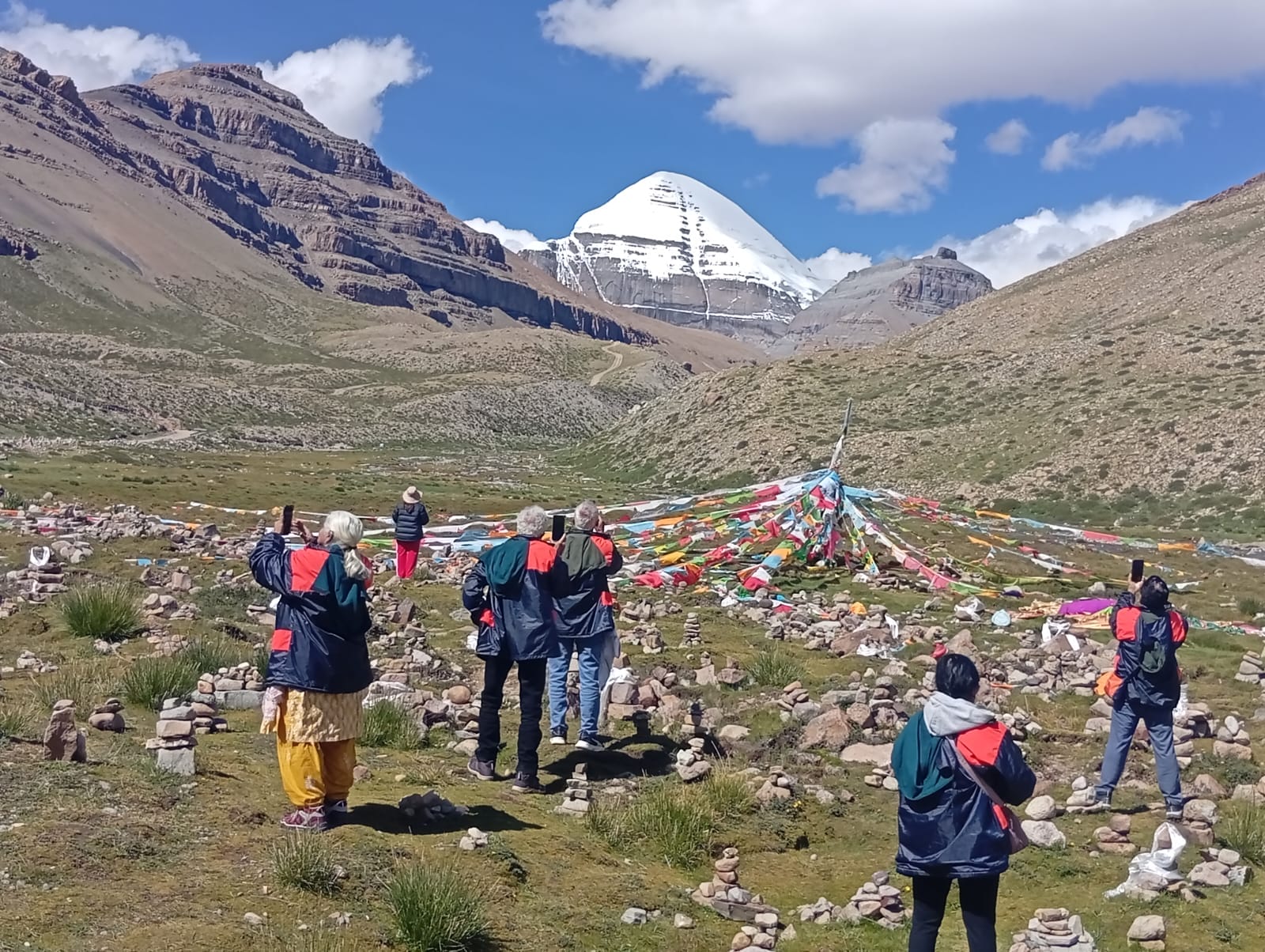
Mount Kailash stands in the Ngari Prefecture of the Tibet Autonomous Region, rising to 6,638 metres above sea level. It sits near the sources of four major Asian rivers: the Indus, Sutlej, Brahmaputra, and Karnali. For thousands of years, this mountain has served as a sacred pilgrimage destination for followers of Hinduism, Buddhism, Jainism, and Bon.
Pilgrims travel to Mount Kailash to complete the Kailash Kora, a 52-kilometre circumambulation route that begins and ends at Darchen (4,670 m). The journey combines high-altitude trekking, religious ritual, and personal reflection. Travellers face demanding terrain, cold weather, and thin air. Proper planning, acclimatisation, and logistical support are essential.
Mount Kailash attracts thousands of international pilgrims each year. Many arrive through organised Kailash Mansarovar Yatra tours, which manage permits, transport, guides, accommodation, and acclimatisation schedules. This preparation allows travellers to focus on the spiritual and cultural purpose of the pilgrimage.
Key Takeaways
- Mount Kailash (6,638 m) is a sacred mountain in western Tibet, revered in Hinduism, Buddhism, Jainism, and Bon traditions.
- The Kailash Kora pilgrimage requires a 52 km trek around the mountain, typically completed over three days.
- Pilgrims travel to Kailash to seek spiritual purification, complete religious vows, and perform circumambulation rituals.
- Major religious events such as Saga Dawa Festival draw thousands of monks, pilgrims, and travellers.
- The region combines extreme altitude, fragile ecosystems, and strict permit regulations, requiring careful planning before travel.
The Sacred Significance of Mount Kailash
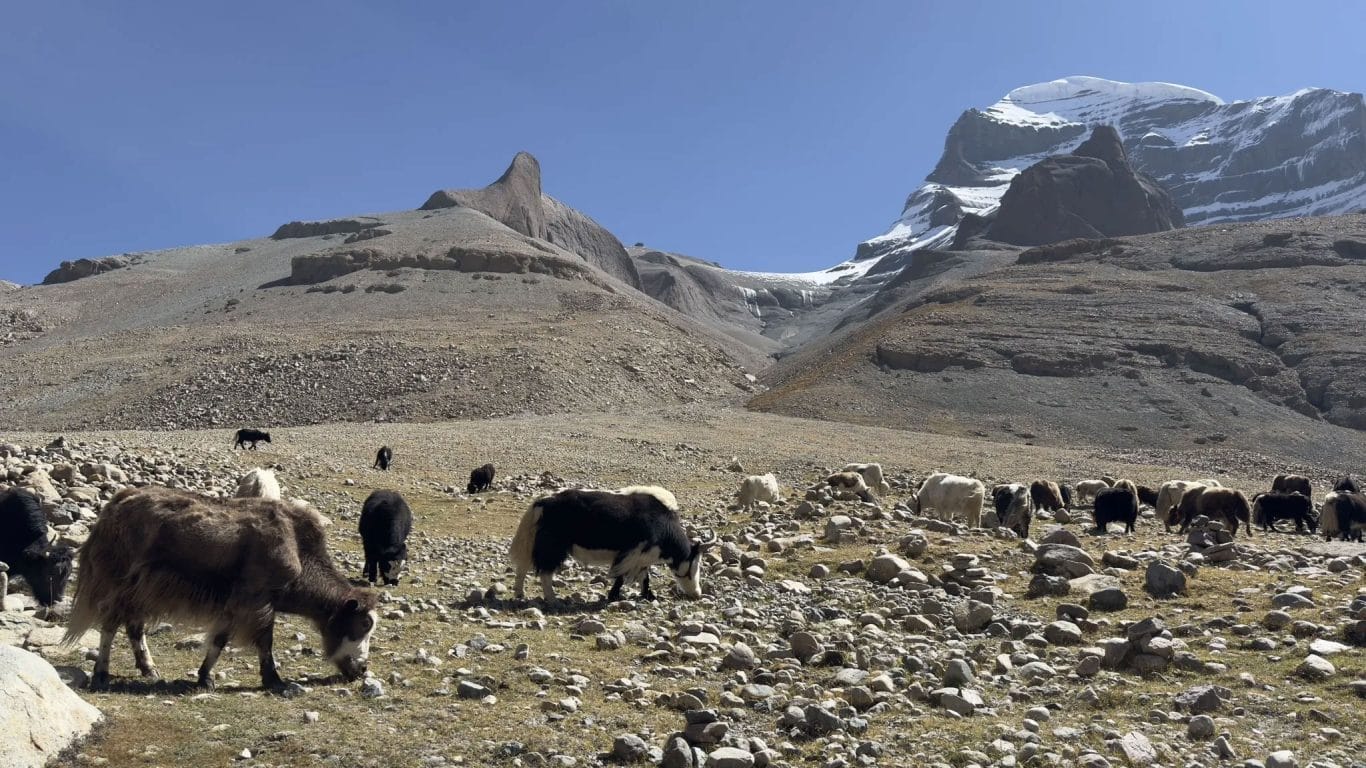
Mount Kailash functions as a spiritual centre within Tibetan and South Asian religious traditions. For Hindus, the mountain represents the abode of Lord Shiva and Goddess Parvati. Buddhists identify it as Mount Meru, the centre of the cosmic universe. Jains honour it as the location where Rishabhadeva attained liberation, while the Bon religion considers it the spiritual seat of Sipaimen.
These beliefs shape the ritual practices performed at Kailash. Pilgrims complete the kora, or circumambulation, as a form of devotion. Many believe that one kora clears accumulated karma, while 108 koras symbolise full spiritual purification.
Visitors approach the mountain through Lake Mansarovar, Rakshastal, and Darchen, each location carrying religious significance. Prayer flags, monasteries, and sacred rock formations reinforce the spiritual character of the landscape.
For many travellers, visiting Mount Kailash is not simply tourism. It is a religious duty, personal pilgrimage, and spiritual commitment.
Myths and Legends Surrounding the Mountain
Mount Kailash carries centuries of religious narratives, historical beliefs, and sacred symbolism. These stories influence how pilgrims understand the mountain and guide the rituals performed during the pilgrimage.
Sacred Pilgrimage Stories
Pilgrimage traditions describe Mount Kailash as a place where devotional acts cleanse karma and renew spiritual purpose. Many travellers undertake the journey after making religious vows or seeking personal resolution.
Pilgrims walk the kora clockwise according to Hindu and Buddhist tradition, while Bon followers walk counter-clockwise. Some devotees complete the route through full-body prostrations, a practice that can take weeks or months.
These practices demonstrate the depth of commitment associated with the Kailash pilgrimage. Each step represents discipline, faith, and perseverance in a high-altitude environment.
Deities and Spiritual Significance
Mount Kailash holds a central position within Hindu cosmology as the dwelling place of Lord Shiva, the deity associated with meditation, destruction of ignorance, and spiritual liberation.
Buddhist teachings identify the mountain with Demchok (Chakrasamvara), a tantric deity representing supreme bliss and enlightenment. Jain tradition connects the mountain with Rishabhadeva, the first Tirthankara.
These spiritual associations give Mount Kailash a rare status. Unlike other peaks in the Himalayas, climbing the summit is prohibited. Respect for religious tradition prevents mountaineering expeditions. Pilgrims instead honour the mountain by walking around it rather than ascending it.
What to Expect on the Kailash Pilgrimage?
The Kailash Mansarovar Yatra requires careful preparation. The journey combines remote travel, altitude exposure, religious rituals, and high-altitude trekking.
Pilgrims typically follow this sequence:
- Travel to Lhasa or Kathmandu
- Journey across the Tibetan Plateau
- Reach Lake Mansarovar (4,590 m)
- Continue to Darchen, the starting point of the kora
- Complete the three-day Kailash Kora trek
The environment remains cold, dry, and windy, even during the pilgrimage season. Infrastructure remains basic. Guesthouses provide simple accommodation and meals.
Travellers who prepare physically and mentally often complete the pilgrimage successfully.
Physical Challenges Ahead
The Kailash Kora presents clear physical demands. The route climbs above 5,600 metres at Dolma La Pass, the highest point of the pilgrimage.
| Challenge | Preparation Action | Impact on Trek |
|---|---|---|
| High Altitude | Acclimatise gradually and monitor oxygen levels | Reduces risk of altitude sickness |
| Long Walking Distances | Train with regular hiking and endurance exercise | Improves stamina and recovery |
| Cold Weather | Pack layered clothing and insulated jackets | Maintains body temperature |
| Uneven Terrain | Wear trekking boots with ankle support | Prevents injury and fatigue |
Pilgrims who prepare for these conditions reduce health risks and complete the route safely.
Spiritual Significance Explored
Beyond the physical challenge, the pilgrimage supports religious observance and personal reflection. Pilgrims recite prayers, spin prayer wheels, and place prayer flags along the trail.
The route passes several sacred locations:
- Dirapuk Monastery
- Dolma La Pass
- Gauri Kund (Tukje Lake)
- Zutulpuk Monastery
Each site carries religious meaning and offers moments for ritual prayer, meditation, and reflection.
For many travellers, completing the kora represents the fulfilment of a spiritual commitment rather than a recreational trek.
Overcoming Challenges on Your Trek
Successful pilgrimage requires practical preparation and responsible trekking behaviour.
Pilgrims should complete the following preparation steps:
- Train with cardiovascular exercise and hiking practice
- Pack high-altitude trekking gear
- Schedule acclimatisation days
- Travel with experienced local guides
- Follow altitude safety protocols
Professional tour operators also manage travel permits, border procedures, transport logistics, accommodation, and emergency support. This organisation reduces risk and allows pilgrims to focus on completing the kora.
Mental resilience also matters. The trek demands patience. Weather may shift suddenly. Altitude may slow progress. Pilgrims who maintain a steady pace and remain attentive to their health often finish the route successfully.
Key Festivals Celebrated at Mount Kailash
Mount Kailash hosts several important religious festivals, attracting pilgrims and monks from Tibet, Nepal, India, and international communities.
The most significant celebration is Saga Dawa Festival, held during the fourth lunar month of the Tibetan calendar. The festival commemorates the birth, enlightenment, and death of Buddha Shakyamuni.
During Saga Dawa:
- Monks perform religious rituals and chanting
- Pilgrims conduct circumambulation of Mount Kailash
- Large prayer flag poles are raised or replaced
- Devotees gather for ceremonial offerings and blessings
Another recognised observance is Shaka Dawa, which marks similar spiritual events within Buddhist tradition.
These gatherings reinforce Mount Kailash’s role as a living religious centre rather than a historical monument.
Conservation Efforts for Mount Kailash
Mount Kailash sits within a sensitive high-altitude ecosystem. Environmental protection remains critical due to the growing number of visitors.
Local authorities and organisations implement several conservation measures:
| Initiative | Description | Impact |
|---|---|---|
| Eco-Trekking Policies | Regulated trekking routes and permit controls | Limits environmental damage |
| Cultural Education | Guides explain local traditions and religious practices | Protects cultural heritage |
| Waste Reduction Campaigns | Waste collection and recycling initiatives | Reduces pollution |
| Community Participation | Local residents assist with conservation programs | Supports long-term stewardship |
These programs aim to preserve the natural environment while allowing responsible pilgrimage travel.
Why Mount Kailash Remains a Mystical Destination
Mount Kailash continues to attract travellers because it combines religious importance, remote geography, and cultural continuity.
Few places offer such a combination of:
- Sacred religious heritage
- High-altitude Himalayan landscapes
- Living pilgrimage traditions
- Strict spiritual customs
The mountain remains unclimbed. Pilgrims respect the belief that Mount Kailash should be honoured, not conquered.
For many visitors, the journey delivers three outcomes:
- Completion of a religious pilgrimage
- Exposure to Tibetan culture and sacred geography
- Personal reflection gained through remote travel and physical challenge
These elements keep Mount Kailash recognised as one of the most significant pilgrimage destinations in the world.