
Introduction
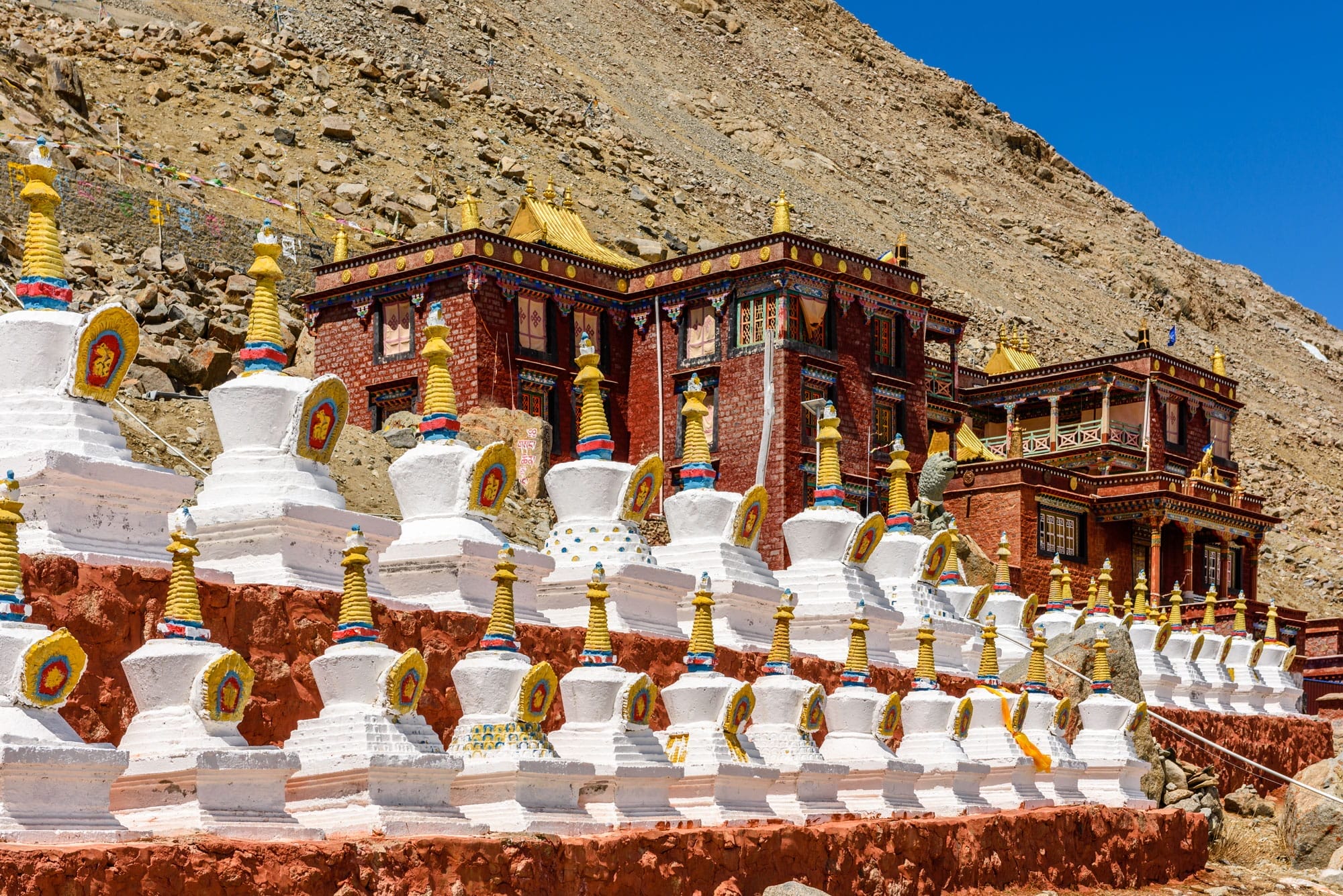
Dirapuk Monastery sits on the north face of Mount Kailash and anchors one of the most important stops on the Kailash Kora route. Pilgrims choose Dirapuk for proximity to the north face, clear sightlines of the peak, and direct access to high-altitude trekking routes. The monastery combines Tibetan Buddhist heritage, preserved relics, and functional pilgrim infrastructure. It serves spiritual intent and practical needs in equal measure.
Key Takeaways
- Dirapuk Monastery preserves Tibetan Buddhist manuscripts, relics, and ritual artefacts tied to Mount Kailash pilgrimage routes.
- The structure uses local stone, timber framing, carved façades, and terraced levels aligned with the mountain terrain.
- Pilgrims stop here to rest, acclimatise, meditate, and prepare for Dolma La Pass crossing.
- Travel windows depend on altitude weather patterns, access permits, and trekking conditions.
- Visitors must follow pilgrimage etiquette, cultural respect protocols, and altitude safety measures.
The historical significance of Dirapuk Monastery
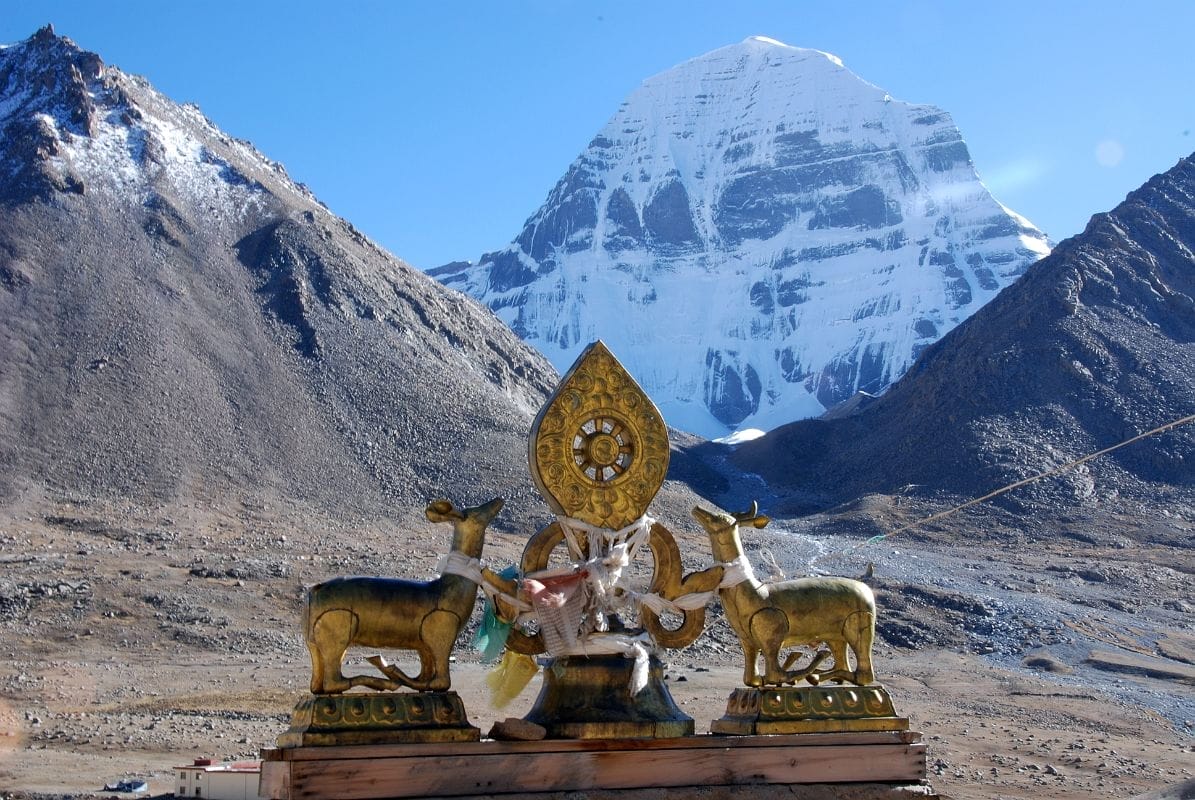
Dirapuk Monastery records centuries of Tibetan Buddhist practice, monastic lineage, and pilgrimage continuity. Monks safeguarded scriptures, thangka paintings, ritual instruments, and handwritten manuscripts that document doctrine, meditation systems, and oral teachings.
Pilgrims walk into a site that still functions. Monks conduct daily prayers. Ritual cycles continue. Artefacts remain in use, not display.
Key historical attributes:
- Ancient manuscripts that record Buddhist philosophy and tantric teachings
- Monastic lineage continuity linked to Kailash pilgrimage traditions
- Religious artefacts used in active ceremonies, not static exhibits
- Geographic positioning on the north face route, reinforcing its pilgrimage role
This is not a museum. It is a working monastery embedded in a live pilgrimage system.
Unique architecture of Dirapuk Monastery
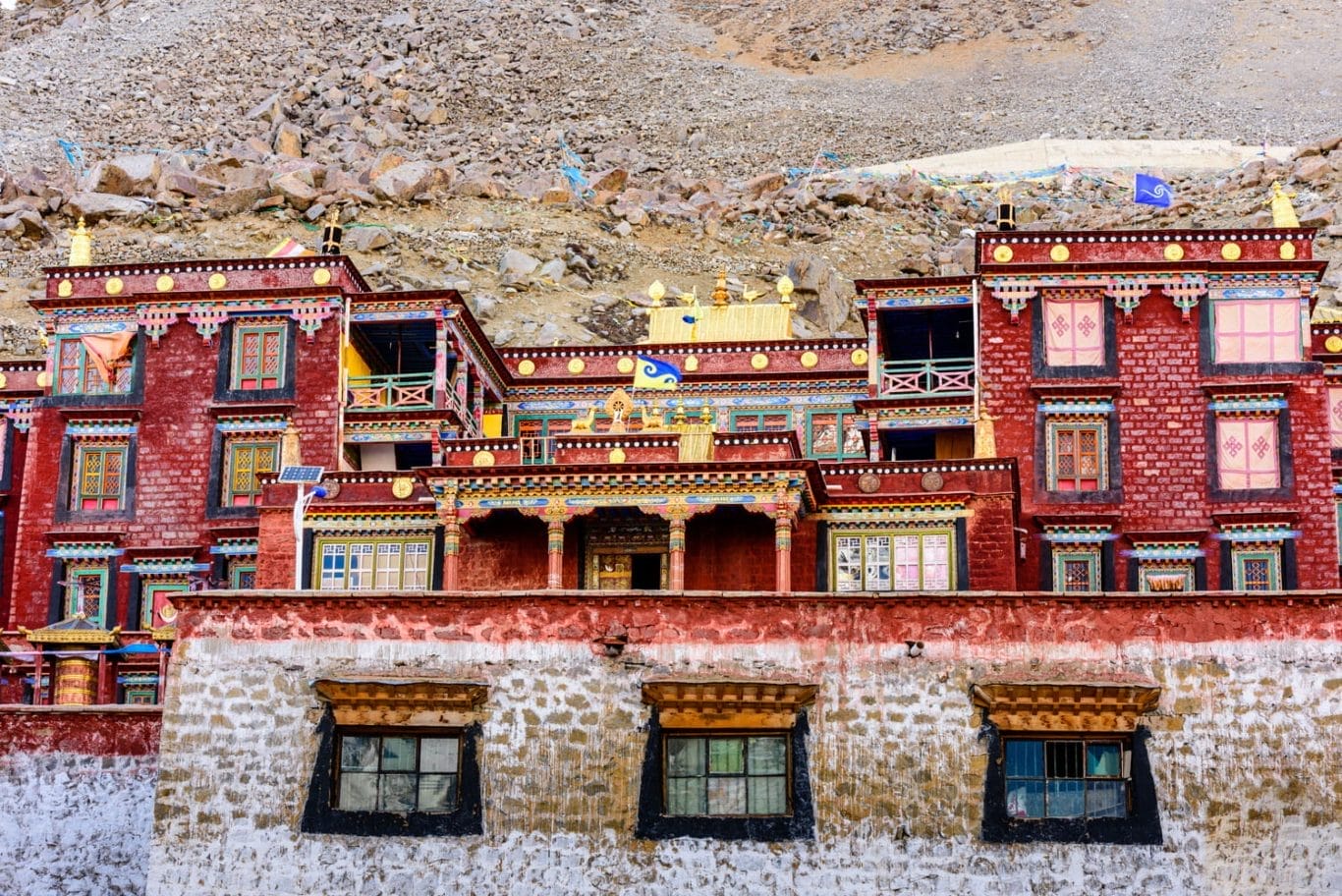
Dirapuk Monastery uses functional Tibetan high-altitude construction methods. Every design choice responds to climate, terrain, and spiritual orientation.
Core architectural attributes:
- Stone masonry walls
Built with locally sourced rock to withstand wind, snow, and temperature drops. - Timber structural elements
Provide flexibility and insulation in extreme conditions. - Terraced layout facing Mount Kailash
Positions prayer halls and viewing areas directly toward the north face. - Carved wood and stone detailing
Depicts Buddhist symbols, deities, and protective motifs. - Prayer wheels and stupas
Installed along walking paths to support ritual movement and meditation.
The monastery does not decorate for appearance. It builds for survival, worship, and alignment with the mountain.
The spiritual appeal of Mount Kailash
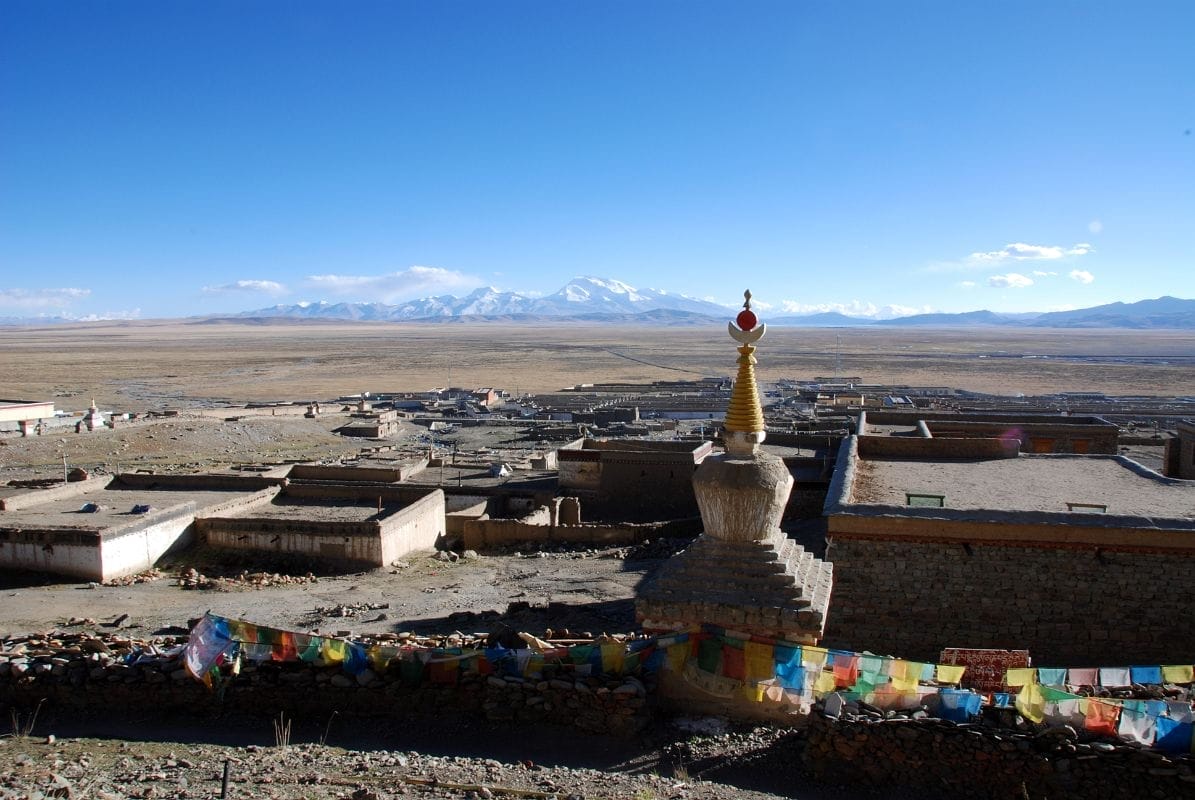
Mount Kailash drives the purpose of Dirapuk Monastery. Pilgrims do not visit casually. They commit to a sacred circuit (Kora), physical endurance, and spiritual discipline.
At Dirapuk, pilgrims:
- Pause before Dolma La Pass, the most demanding section of the trek
- Conduct prayer, reflection, and offerings facing the north face
- Engage in silent meditation and mantra recitation
- Prepare mentally and physically for high-altitude ascent
The mountain defines the experience. Dirapuk provides the position, shelter, and ritual context to engage with it.
Cultural practices at Dirapuk Monastery
Dirapuk operates within Tibetan Buddhist systems of ritual, education, and community interaction. These practices follow strict structure and purpose.
Rituals and Ceremonies
Daily and seasonal rituals structure monastery life:
- Prayer sessions (puja) conducted at fixed times
- Pilgrim offerings including incense, butter lamps, and prayer flags
- Festival observances tied to lunar calendar events such as Saga Dawa
- Circumambulation practices around sacred structures
Each action follows doctrine. Each ritual serves a defined spiritual outcome.
Monastic Education Practices
Monks train through a structured curriculum combining philosophy, memorisation, debate, and meditation.
Core components:
- Scriptural study (sutras and tantras)
- Dialectical debate to test understanding
- Meditation discipline to apply teachings
- Ethical conduct training aligned with monastic vows
Education produces practitioners who can teach, perform rituals, and maintain lineage continuity.
Community Engagement Activities
Dirapuk connects with surrounding communities and pilgrims through practical initiatives:
- Traditional craft workshops (textiles, carvings, ritual objects)
- Local supply networks supporting food, lodging, and trekking logistics
- Festival participation involving both monks and laypeople
- Environmental care practices focused on waste control and land respect
The monastery supports both spiritual and economic ecosystems in the region.
What you should know before visiting Dirapuk Monastery?
Dirapuk sits at high altitude. Conditions change fast. Preparation is not optional.
Best Time to Visit
Choose travel windows based on weather stability and trekking access:
- April–June: Stable conditions, moderate temperatures
- September–October: Clear visibility, low rainfall
- July–August: Possible rain and route disruption
- November–March: Extreme cold, limited access
Plan around permit approvals, altitude acclimatisation, and transport logistics.
Essential Packing Tips
Pack for function, not comfort:
- High-grade hiking boots for rocky terrain
- Layered thermal clothing for temperature swings
- Windproof and waterproof outer shell
- Daypack with hydration system
- Altitude medication and first-aid kit
- Energy-dense food supplies
Poor preparation leads to risk. Correct gear supports safe completion of the route.
Tips for pilgrims and travelers at Dirapuk
Follow clear behavioural standards. This is an active religious site.
- Respect religious space
Keep noise low. Follow monk instructions. Avoid intrusive photography. - Follow altitude safety protocols
Walk at controlled pace. Hydrate consistently. Monitor symptoms. - Wear appropriate clothing
Dress modestly. Avoid disruptive or revealing attire. - Engage respectfully with locals
Ask before taking photos. Accept guidance from monks and guides.
Discipline improves the experience. It also protects others on the route.
Nearby attractions to explore
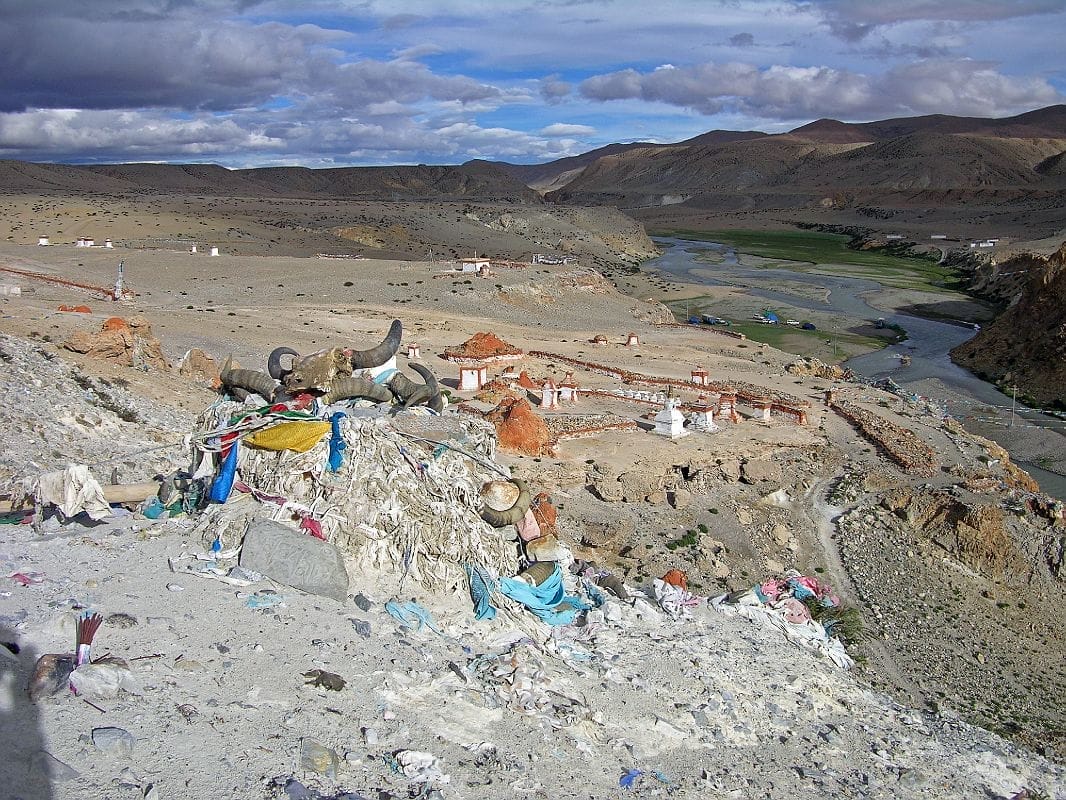
Dirapuk connects directly to key Kailash-region landmarks:
| Attraction | Description | Function |
|---|---|---|
| Mount Kailash North Face | Primary visual and spiritual focal point | Meditation, prayer, photography |
| Lake Manasarovar | High-altitude freshwater lake | Ritual bathing, reflection |
| Tarboche (Flagpole Area) | Starting point of Kailash Kora | Pilgrimage initiation |
| Dolma La Pass | Highest point of Kora (~5,630m) | Spiritual and physical challenge |
Each location plays a defined role in the pilgrimage sequence.
Planning your trip to Dirapuk Monastery
Execution matters. Poor planning creates delays, risk, and missed access.
- Secure permits and travel approvals
Tibet travel requires regulated entry and guided arrangements. - Book transport and logistics early
Flights, overland routes, and trekking operators fill quickly. - Confirm accommodation near Darchen and along Kora route
Options are limited. Reserve in advance. - Prepare physically for altitude and endurance
Train for multi-day trekking and reduced oxygen levels.
A structured plan reduces friction. It allows you to focus on the purpose of the journey.