
Introduction
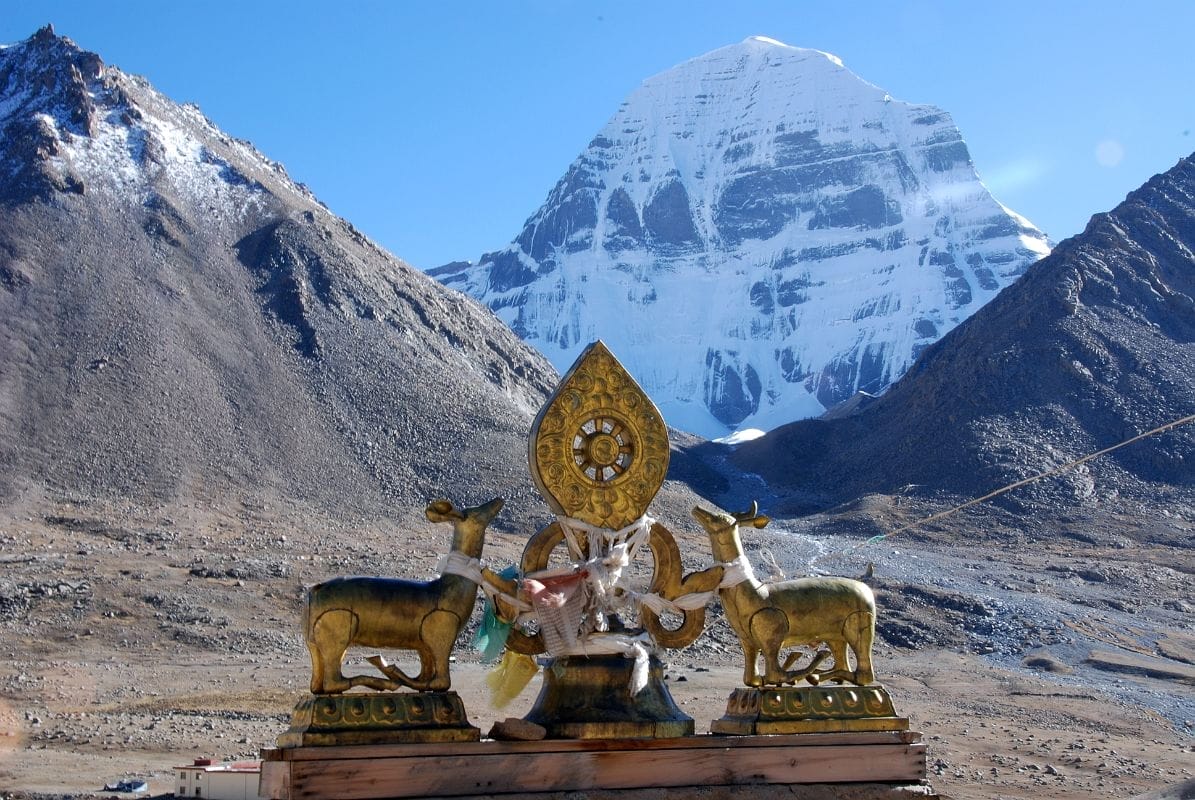
2026 marks the Horse Year in the Tibetan lunar calendar, a period widely recognised for undertaking the Mount Kailash Kora. This year occurs once every 12 years and attracts high pilgrimage demand due to its spiritual significance, timing advantages, and perceived merit amplification.
Pilgrims travel to complete the Kora with clear intent:
- address karmic burden
- fulfil religious obligations
- complete a once-in-a-cycle journey
- participate in a high-significance pilgrimage window
This guide outlines the Kora structure, Horse Year significance, route options, and planning requirements to help you prepare with clarity and confidence.
Understanding the Mount Kailash Kora
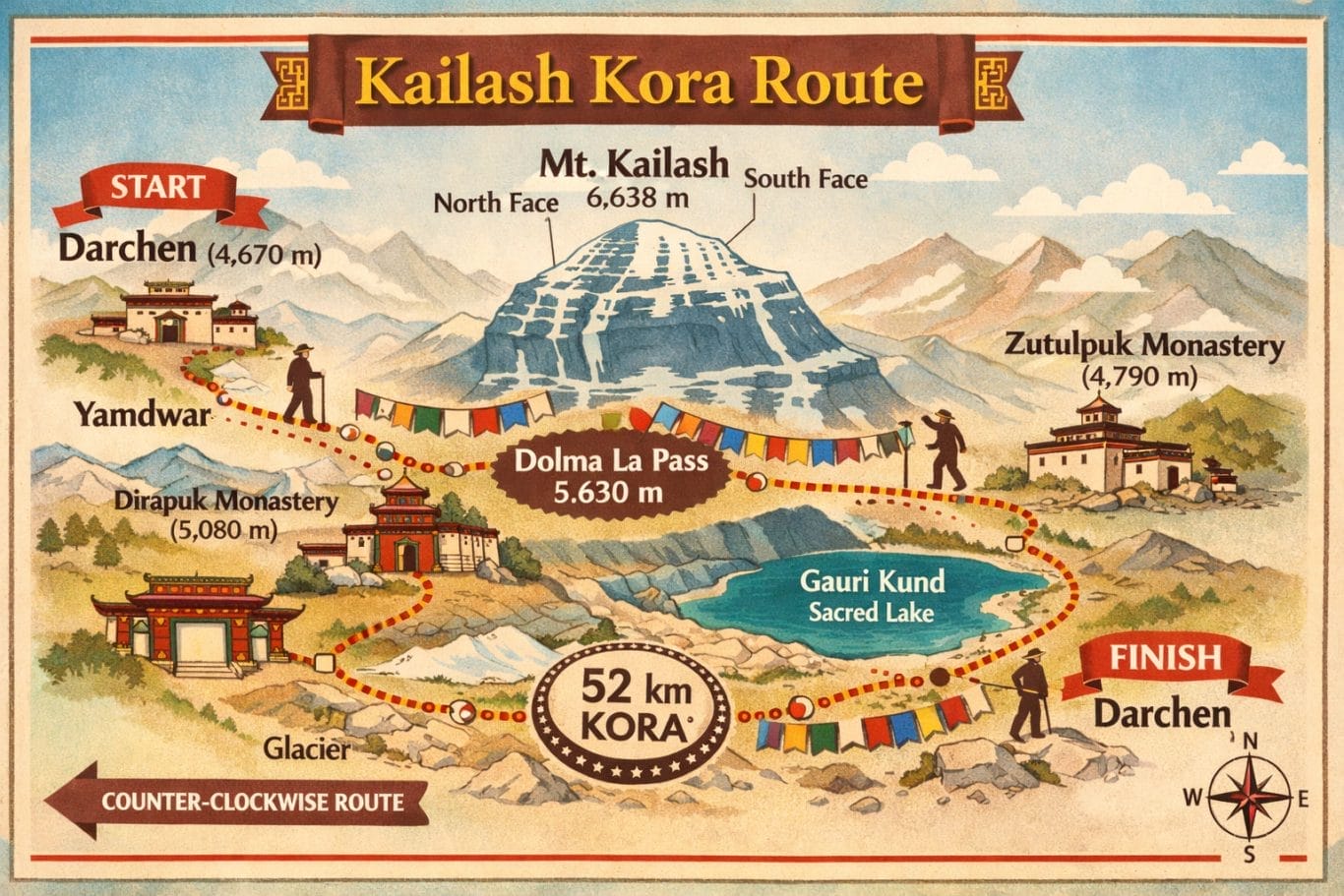
The Mount Kailash Kora is a 52 km circumambulation around Mount Kailash, located in the Ngari Prefecture, Tibet Autonomous Region (China).
Key facts:
- Duration: 3 days (standard pace)
- Highest elevation: Dolma La Pass (5,630 metres)
- Starting point: Darchen
- Religious relevance: Practised by Hindus, Buddhists, Jains, and Bon followers
Pilgrims complete the Kora to:
- cleanse accumulated karma
- demonstrate devotion through physical endurance
- complete a recognised spiritual milestone
In 2026, demand increases due to the Horse Year cycle, where many believe one Kora equals multiple standard-year completions.
Travel window: April to September (primary operating season)
What Are Horse Years and Why They Matter
The Horse Year (2026 – Fire Horse) is considered a high-value pilgrimage period within Tibetan astrology and religious tradition.
Key significance factors:
1. Merit Multiplication
Completing one Kora in a Horse Year is believed to equal 12–13 standard Kora cycles.
2. Karma Reduction
Pilgrims undertake the journey to address past actions and reduce karmic obstacles.
3. Accelerated Spiritual Outcomes
The year is associated with stronger alignment between effort and perceived spiritual results.
4. Symbolism of the Horse
Represents:
- motion
- endurance
- strength
- resilience
These attributes align directly with the physical and mental demands of the Kora.
5. Astrological Timing
The Horse Year aligns with favourable cosmic cycles, increasing pilgrimage participation and demand.
Historical Horse Years include:
1918, 1930, 1942, 1954, 1966, 1978, 1990, 2002, 2014, and now 2026.
Why 2026 Is a High-Value Year for Pilgrims
The 2026 cycle provides a time-bound opportunity to complete the Kora under conditions considered spiritually favourable.
Pilgrims choose this year to:
- complete postponed or missed journeys (e.g. post-2014 cycle)
- align pilgrimage with religious vows
- participate in a rare event cycle
Additional timing advantage:
- Occurrence of Fire Horse Year (60-year cycle alignment)
- Alignment with lunar cycles and festival dates
- Increased participation during Saga Dawa Festival (May 31, 2026)
These conditions position 2026 as a peak pilgrimage year, often referred to as the “Mahakumbh of Kailash.”
Why 2026 is called the Mahakumbh of Kailash
The term reflects:
- rarity of timing
- increased perceived merit
- alignment with major spiritual events
Key drivers:
- Horse Year multiplier belief (12–13x merit)
- Fire Horse astrological cycle
- Coinciding Saga Dawa Festival
For planning purposes, this results in:
- higher demand for permits
- limited availability for routes and accommodation
- earlier booking requirements
Mount Kailash Kora Routes (2026)
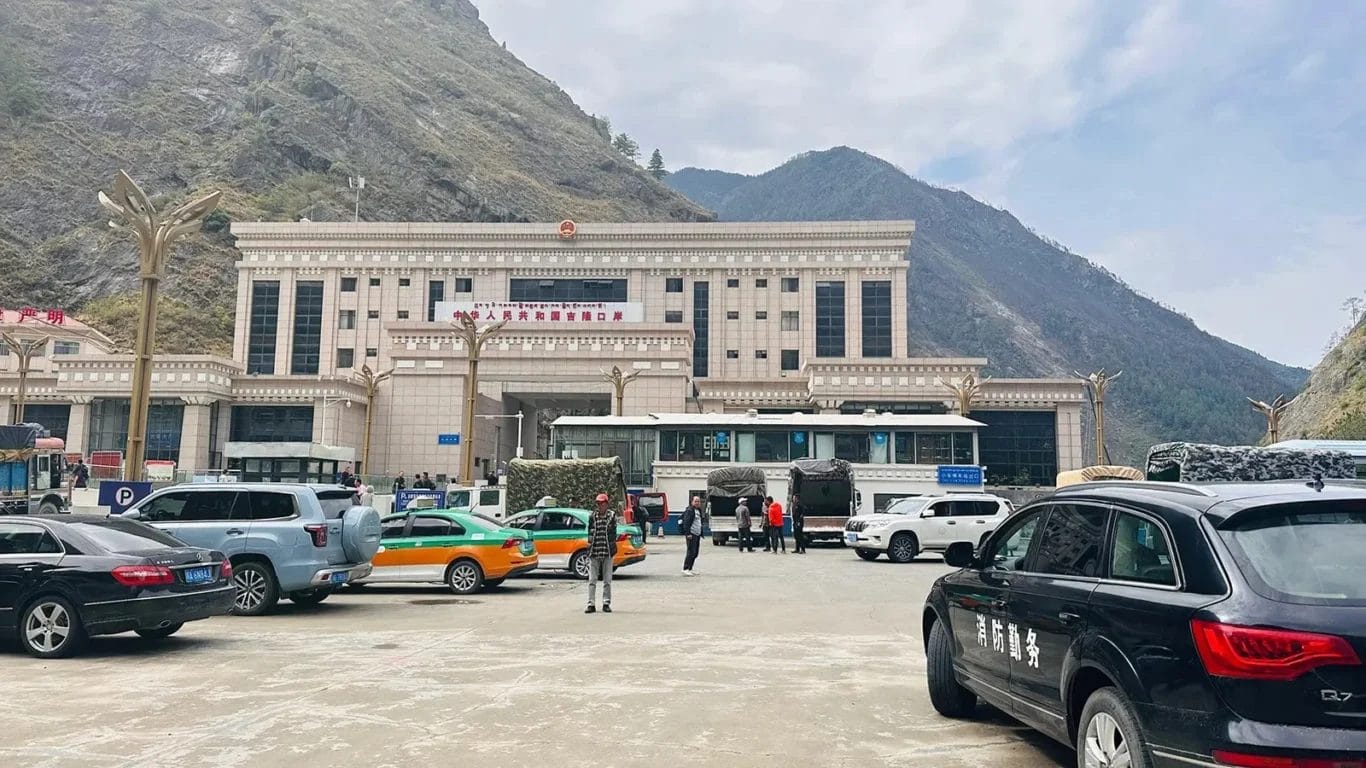
Pilgrims can select routes based on:
- time availability
- budget
- physical capability
- entry eligibility
For International Travellers
Helicopter Route (Fast Access)
Kathmandu → Nepalgunj → Simikot → Hilsa → Taklakot → Mansarovar → Darchen → Kora → return
Overland Route (Gradual Acclimatisation)
Kathmandu → Kerung → Saga → Mansarovar → Darchen → Kora → return
Hybrid Route (Road + Helicopter)
Combines road access with air segments for reduced travel time
For Indian Pilgrims
10-Day Route (Ex-Lucknow)
Shorter duration with helicopter support
12-Day Helicopter Route
Balanced option with reduced trekking pressure
14-Day Overland Route
Extended itinerary with improved acclimatisation window
Planning a Kailash Kora in 2026
Effective planning reduces risk and improves completion outcomes.
Ideal Season
Primary windows:
- Spring: April – June
- Autumn: September – October
Conditions during these periods:
- stable weather patterns
- clearer visibility
- safer high-altitude access
Essential Preparation Checklist
Clothing & Gear
- insulated layers
- waterproof outerwear
- trekking boots with grip
Nutrition
- light, high-energy meals
- avoid heavy digestion load at altitude
Fitness
- prepare for multi-day high-altitude trekking
- include endurance and cardio training
Acclimatisation
- gradual altitude exposure
- rest days built into itinerary
Hydration
- maintain fluid intake consistently
- reduce altitude sickness risk
Permits & Documentation
- Tibet Travel Permit
- Chinese Group Visa
- Alien Travel Permit
- Military Permit (if applicable)
Conclusion
The Mount Kailash Kora in 2026 (Horse Year) presents a high-demand, time-specific pilgrimage opportunity. It combines:
- rare calendar alignment
- increased participation
- strong religious significance
Pilgrims undertake this journey with defined intent:
to complete the Kora under conditions believed to carry greater spiritual weight and long-term significance.
This guide has outlined:
- Kora structure and expectations
- Horse Year significance
- route options
- planning requirements
For travellers considering this journey, early planning, physical preparation, and route selection are critical to completing the pilgrimage safely and successfully.