
Introduction
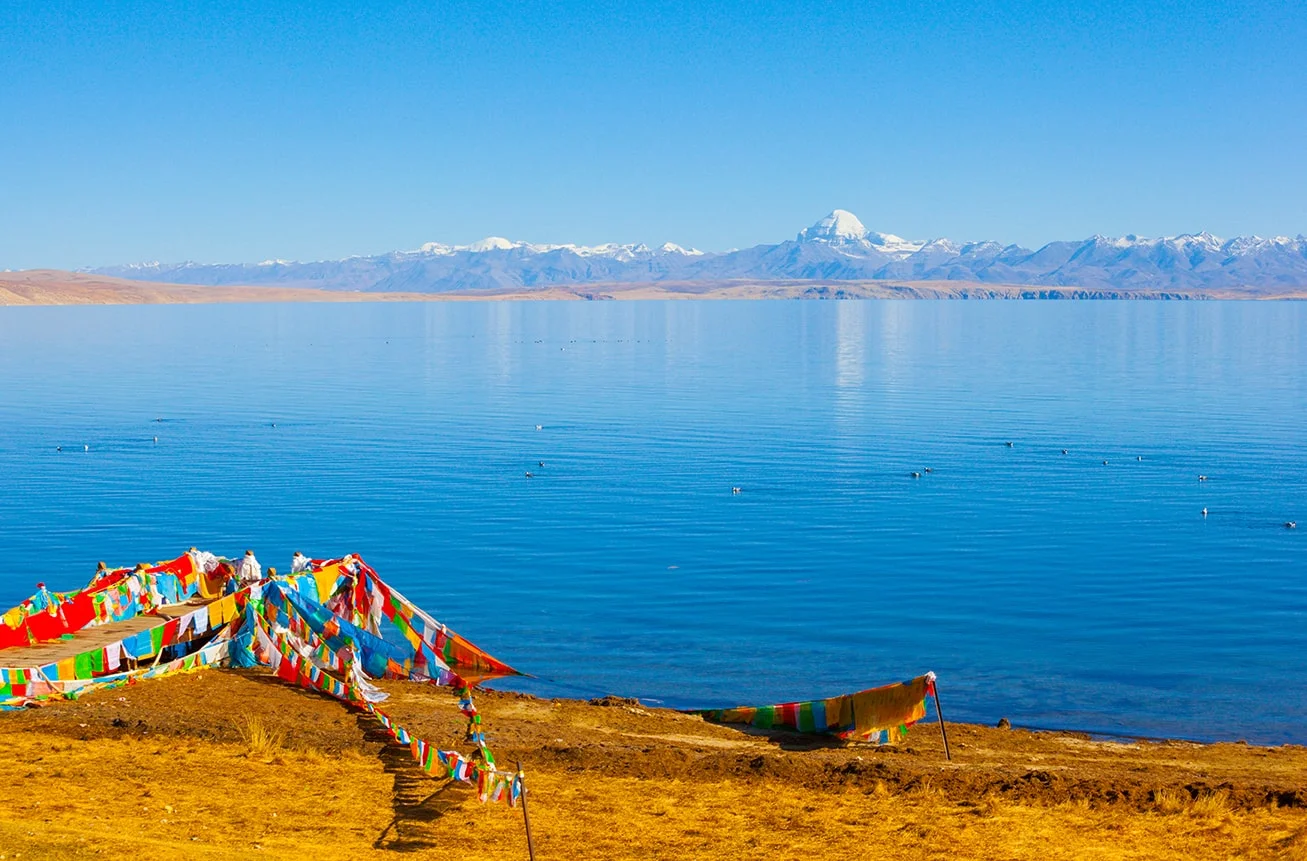
If you are planning a Kailash Mansarovar Yatra, Lake Mansarovar in Tibet Autonomous Region stands as a non-negotiable pilgrimage destination. This high-altitude freshwater lake, located near Mount Kailash, holds direct religious, cultural, and ecological significance across Hindu, Buddhist, Jain, and Bon traditions.
You don’t just visit this lake. You perform rituals, complete spiritual circuits, and engage with one of the most documented sacred geographies in the Himalayas. The environment demands preparation. The experience rewards commitment.
Key Takeaways
- Lake Mansarovar functions as a primary ritual site within the Kailash pilgrimage circuit, associated with spiritual cleansing and liberation (moksha).
- The lake maintains direct links to Lord Shiva and is referenced in multiple Hindu scriptures and mythological narratives.
- Travellers trek, camp, and perform parikrama while navigating high-altitude terrain above 4,500 metres.
- Packing must include thermal layers, altitude protection, and water safety tools to prevent exposure and illness.
- Cultural interaction with Tibetan communities provides ground-level insight into regional customs, food systems, and religious practices.
How can you get to Lake Mansarovar?
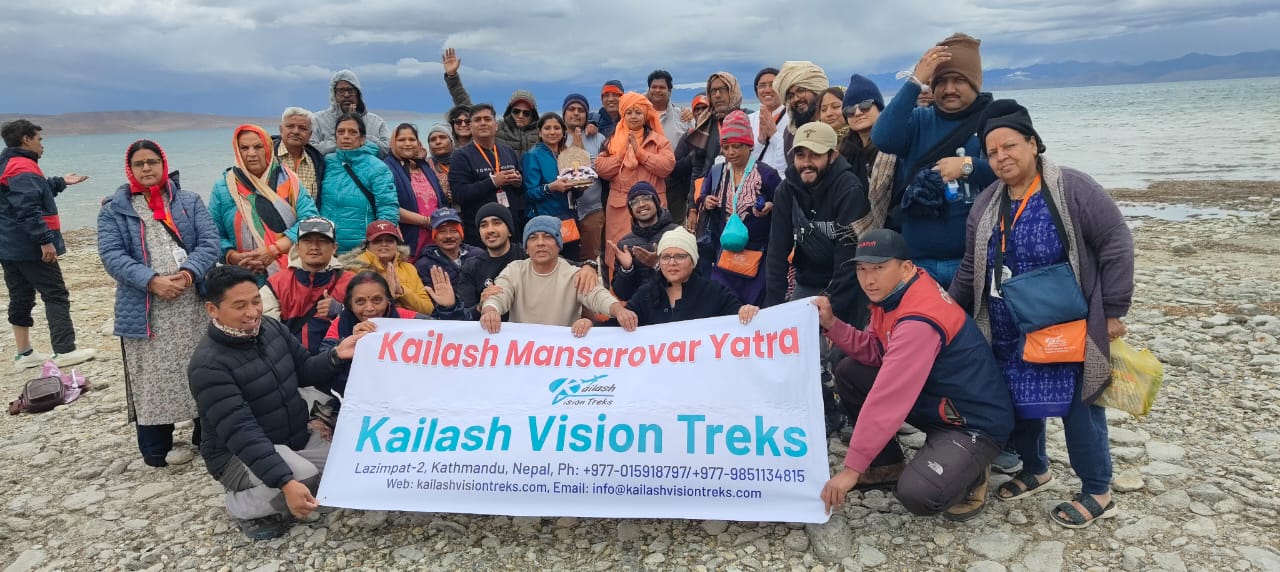
Reaching Lake Mansarovar requires structured travel planning, permits, and guided logistics.
Most itineraries begin in Lhasa. From there, operators transport pilgrims via overland routes using 4WD vehicles designed for high-altitude terrain. You can:
- Join a guided Kailash Mansarovar Yatra (recommended for permits and logistics)
- Travel via Nepal routes (Kathmandu → Hilsa → Taklakot → Mansarovar)
- Undertake partial trekking routes for acclimatisation
Independent travel is restricted. You must secure permits through authorised operators.
Every route includes long travel hours, altitude gain, and limited infrastructure. Plan accordingly.
Essential tips for travelers: What to pack
Your packing list determines whether you complete the journey safely or struggle through it.
Clothing Essentials
Pack clothing that manages temperature swings, protects against UV exposure, and supports trekking conditions:
- Thermal base layers (retain body heat)
- Insulated fleece or डाउन jacket (cold resistance)
- Waterproof outer shell (wind + snow protection)
- High-ankle trekking boots (stability on uneven terrain)
- Wool socks + gloves + beanie (extremity protection)
- UV sunglasses + wide-brim hat (altitude sun exposure)
Wear modest, full-coverage clothing to align with religious expectations.
Health and Safety Items
You are operating in a low-oxygen, remote environment. Prepare for it.
Carry:
- First aid kit (bandages, altitude medication, pain relief)
- Water purification tablets or filtration bottle
- SPF 50+ sunscreen and lip balm
- Portable oxygen canisters (optional but recommended)
- Insect repellent (seasonal use)
Altitude sickness is real. You don’t guess your way through it. You prepare and monitor symptoms early.
The spiritual significance of Lake Mansarovar
Lake Mansarovar functions as a ritual water body tied to purification, karma release, and rebirth cycles.
Sacred Pilgrimage Destination
Pilgrims travel here to complete defined spiritual actions:
- Ritual bathing (where conditions allow)
- Water collection for ceremonial use
- Meditation and prayer cycles along the shoreline
- Integration with Mount Kailash Kora
This is not symbolic participation. Devotees execute practices tied to liberation beliefs and karmic cleansing.
Connection to Hindu Mythology
Lake Mansarovar is referenced across Puranic texts and oral traditions:
- Identified as a lake created by Lord Brahma (Manasa Sarovar)
- Associated with Lord Shiva’s meditation near Mount Kailash
- Linked to the origin of sacred rivers including the Brahmaputra (Yarlung Tsangpo)
Pilgrims engage with the site because it represents cosmic origin, divine presence, and purification pathways.
Key festivals and rituals celebrated at Lake Mansarovar
Ritual timing matters. Specific events increase spiritual significance and pilgrimage volume.
- Kailash Mansarovar Yatra – structured pilgrimage combining Mansarovar and Kailash Kora
- Maha Shivaratri – Shiva-focused rituals, fasting, and night vigils
- Saga Dawa Festival – Tibetan Buddhist celebration marking Buddha’s birth, enlightenment, and death
- Full Moon Rituals – meditation, water offerings, and circumambulation
These events draw large-scale pilgrim movement and coordinated ceremonies.
Explore the flora and fauna of Lake Mansarovar
The ecosystem supports high-altitude biodiversity adapted to extreme conditions.
You will encounter:
- Alpine wildflowers and medicinal plants
- Bar-headed geese and migratory bird species
- Yaks and high-altitude grazing animals
- Micro-ecosystems supporting pollination cycles
This is not decorative nature. It is a fragile ecological system requiring preservation and controlled tourism behaviour.
Adventure activities at Lake Mansarovar: Trekking and more
This region supports structured physical activity within a pilgrimage framework.
- Trekking routes (part of Kailash circuit and surrounding terrain)
- Camping setups near Mansarovar shoreline
- Photography at sunrise and sunset (clear atmospheric conditions)
- Cultural engagement with Tibetan settlements
Each activity demands fitness, acclimatisation, and logistical coordination.
Top dishes to try around Lake Mansarovar
Food options reflect Tibetan plateau conditions and cultural practices.
Expect:
- Momos – steamed dumplings (meat or vegetable)
- Thukpa – noodle soup designed for cold climates
- Tsampa – roasted barley staple
- Butter tea (po cha) – high-calorie drink for energy and warmth
Meals are functional, high-energy, and suited to altitude survival.
Historical Insights: The Legend of Mansarovar
Lake Mansarovar carries documented mythological and religious narratives:
- Recognised as a source of sacred water systems
- Linked to meditative practices of Lord Shiva
- Considered a site where ritual bathing removes accumulated karma
- Referenced across Hindu, Jain, and Buddhist traditions
The lake holds value because it connects belief systems, geography, and ritual practice in one location.