
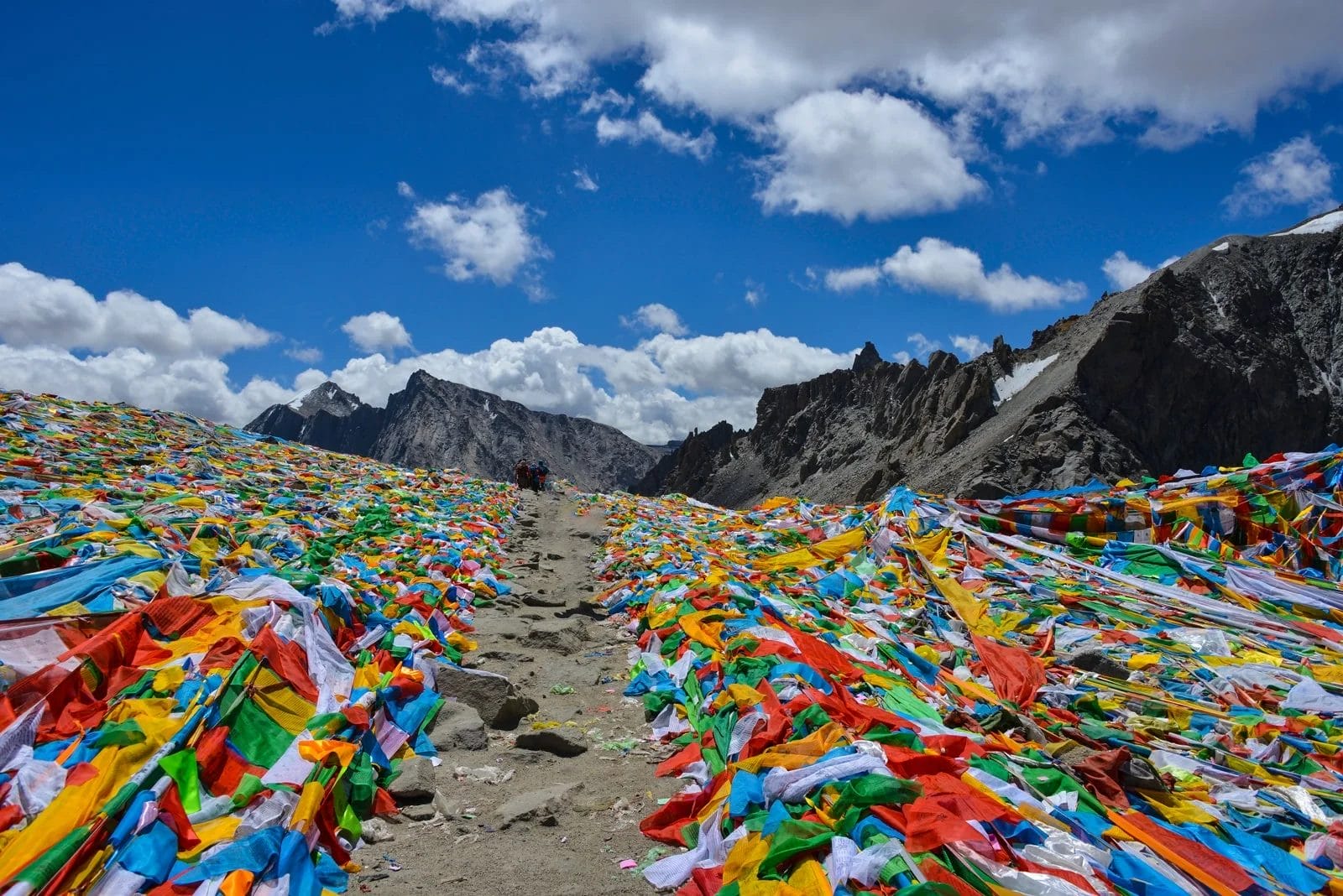
Kailash Mansarovar is one of the most sacred pilgrimage sites in the world. But even this sacred pilgrimage site has a sacred part within, which is known as Dolma La Pass. This part of Kailash Mansarovar Yatra is undoubtedly one of the most difficult parts of Kailash Mansarovar Yatra, which is a given as it is the highest point of Kailash Parikrama, located at 5,630 meters. Since this is the highest peak of the parikrama, it brings faster breathing, accelerated heart rate, and other health issues associated with it. But, the question here is, where exactly is this place located, what about its religious significance, and what are the stories and legends of Dolma La Pass? If you are someone who has these questions and more, then you have come to the right place.
In this blog, we provide you with various information regarding Dolma La Pass, including where it is located, its religious significance, stories and legends associated with this place, the difficulty of trekking and more. So, keeping this in mind, let’s get started!
Dolma La Pass and The Mount Kailash Kora
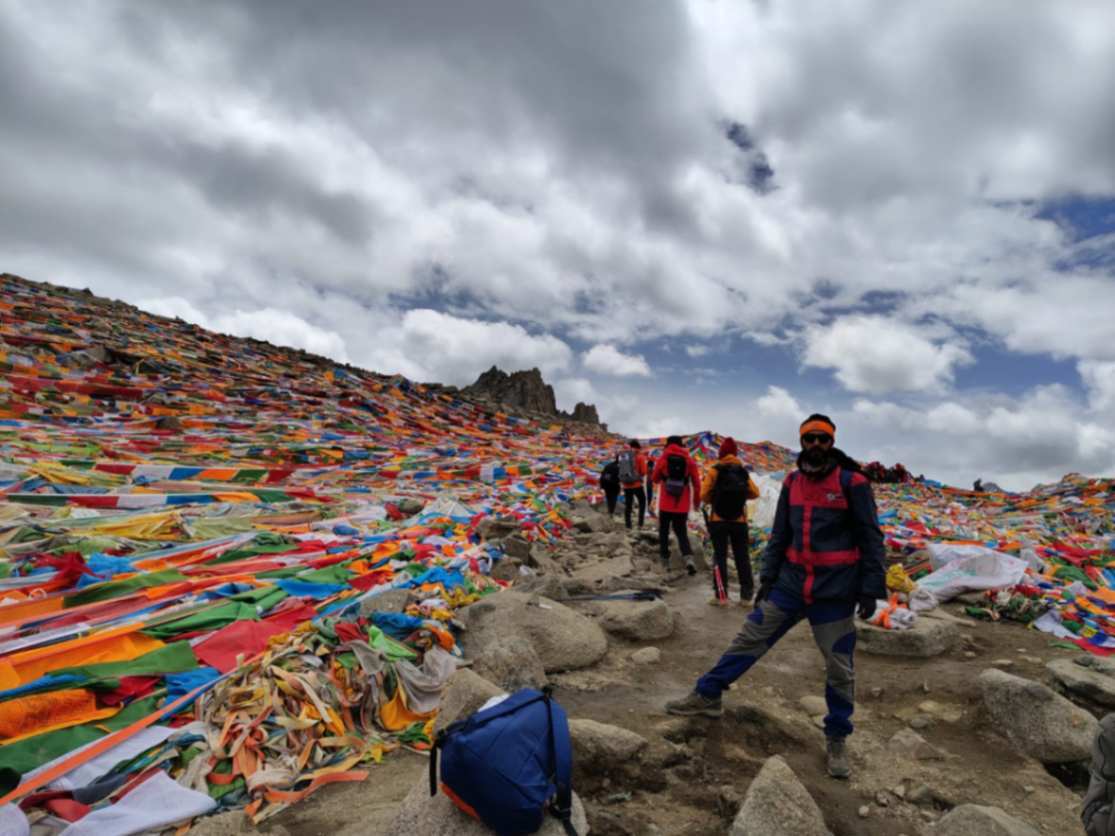
The first aspect that we shall cover here is the relationship between Dolma La Pass and Mount Kailash Kora. In the introduction, we already mentioned that Dolma La Pass is a part of Mount Kailash Kora. Rather, it is the highest and the most challenging point of Mount Kailash Kora, which is a sacred 52-kilometer pilgrimage circuit around Mount Kailash in Tibet. Now, the Mount Kailash Kora trek is deeply revered by Hindus, Jains, Buddhists, and Bon practitioners. Practitioners believe that completing the Kora washes away their past sins and brings spiritual enlightenment. Now, it goes without saying that Dolma La Pass, being a key part of this trek, also makes this pass one of the key significant locations on Earth.
You need to ascend steep, rugged terrain to reach the pass, where you can see thousands of colourful flags fluttering in the wind. The collection of the prayer flags and their fluttering symbolizes the prayers and blessings of the gods. Just beyond this pass, you can see Gauri Kund, which is a sacred temple believed to be associated with the Hindu God Parvati.
This part of the trek is not just a test of endurance but is also a deeply transformative experience. The high altitude conditions, in addition to the unpredictable weather and the thin air present here, make crossing Dolma La Pass an incredibly hard part of Mount Kailash Kora.
Location and Geographic Features
Now that you know the relationship between Dolma La Pass and Mount Kailash Kora, let’s talk about its location. This pass is located in Tibet, China, to the north of Mount Kailash. This mountain lies at an altitude of 5,630 meters above sea level. The pass is further located in the remote southwestern part of Tibet near the border with India and Nepal, which makes it a significant landmark for pilgrimage travelling from various regions. Now, it goes without saying that this landmark is surrounded by a wide range of key geographical features; it is not an isolated pass after all.
So some of the key geographical features surrounding Dolma La Pass include the following:
- High-Altitude Mountain Pass: The pass is surrounded by steep descents with rugged terrain covered in loose rocks and snow.
- Prayer Flags and Chortens: Dolma La Pass is also marked by thousands of colourful prayer flags, which are left by pilgrims and are considered a symbol of prayers, blessings, and spiritual transformation.
- Gauri Kunda: This is a sacred glacial lake and is associated with Hindu mythology. The lakes of these icy waters are believed to be holy and spiritually purifying.
- Landscapes: Dolma La Pass is a part of the Trans-Himalayan region and is surrounded by barren, rocky terrain, towering peaks, and open valleys.
For those who are looking for its specific coordinates, the geographical coordinates of this location are N 30° 08′ 48.0″ E 81° 04′ 54.0.
Religious Significance of Dolma La Pass
The next aspect that we shall discuss here is the religious significance of the Dolma La Pass. Now, this pass holds a deep spiritual significance for multiple religions.
Some of the key religious significances of Dolma La Pass include:
1. Symbol of Spiritual Transformation
This pass represents a point of rebirth and liberation from past sins. Pilgrims who visit this location believe that ascending the trail to the past symbolizes the struggles and the challenges of life. Likewise, descending from this pass symbolizes a fresh start and freedom from Karma and negativity.
2. Connection to Goddess Tara (Dolma)
This pass is named after Dolma, which is the Tibetan name for Goddess Tara, a revered Buddhist deity symbolizing compassion and salvation. It is believed that Tara grants blessing and protection to anyone who crosses the pass, which further helps the pilgrims overcome obstacles on the spiritual journey.
3. Tibetan Buddhist and Bon Traditions
Tibetan Buddhists also believe that completing Mount Kailash Kora and Dolma La Pass, as a result, can lead to spiritual enlightenment and favourable rebirths. Additionally, Bon practitioners, who are the followers of Tibet’s ancient shamanistic religion, view the past as one of the key gateways to mystical realms. Practitioners also believe that this pass holds spiritual energy.
4. Hinduism and Jainism
Another key religious and spiritual significance of Dolma La Pass is associated with Hinduism and Jains. Hinduism considers Mount Kailash as the abode of Lord Shiva, and since crossing Dolma La Pass is part of a sacred journey, crossing this pass marks a significant part of the journey. Likewise, practitioners of Jainism believe Mount Kailash is associated with Rishabhadeva, who is the first Tirthankara, making the Kora a path to spiritual Journey.
Stories and Legends of Dolma La Pass
When we discuss Dolma La Pass, we cannot skip discussing the stories and legends associated with this pass. Now, there are many stories involved in this past. Regardless, some of the key stories which have been passed down for generations include the following:
1. Milarepa’s Challenge: The Triumph Over Darkness
One of the famous legends associated with Dolma La Pass is the story of Milerpa, who is the great Tibetan yogi, a poet, and a Buddhist Master. As per this legend, a powerful demon resided near Dolma La Pass and was creating obstacles for pilgrims and disrupting the sacred energy of the mountain. After Milerpa realized the threat posed by this demoness, then engaged in a deep spiritual battle, but rather than defeating her with his strength, which he could absolutely do, Milerpa used his deep understanding of Dharma and meditation to subdue her. She was overcome with his purity and spiritual power; the demoness then transformed into the protector of the past and began to ensure the safety of future pilgrims.
2. Gatekeeper of the Sacred Mountain: The Divine Test of Pilgrims
Another legend associated with Dolma La Pass is regarding it being the gateway to Mount Kailash. According to this legend, those who go on the pilgrimage with bad Karma, impure hearts, or selfish intentions struggle immensely at this pass. On the flip side, those with strong faith and genuine devotion experience a sense of divine guidance and feel the unseen presence of the protective deities. Because of these deep emotions that one may feel in this past, many pilgrims leave the prayer flags, mani stones, and small offerings at the pass to seek blessings from the Goddess Dolma, who is a compassionate deity believed to watch over the pass. There is also a belief that completing the crossing with a pure heart cleanses one’s soul and grants spiritual enlightenment.
3. Miraculous Healings: The Power of Divine Interventions
The final legend of Dolma La Pass is regarding the miraculous healings and spiritual awakenings at Dolma La Pass. Now as we have mentioned, this pass is located at extreme heights, rugged terrain, and deep devotion. This combination leads many pilgrims to claim that they feel the divine presence and a sense of healing.
One of the well-known stories regarding healing is the story of an elderly pilgrim who suffered from severe illness for many years. That said, despite their frailness, he insisted on completing Mount Kailash Kora as he believed that the pilgrimage would cleanse him of his suffering. Now, as he was cleaning the Dolma La Pass, he had a vision of a radiant deity who assured him that his pain would end. Upon completing the Kora, his illness disappeared, and he lived younger and in good health.
Trekking across Dolma La Pass
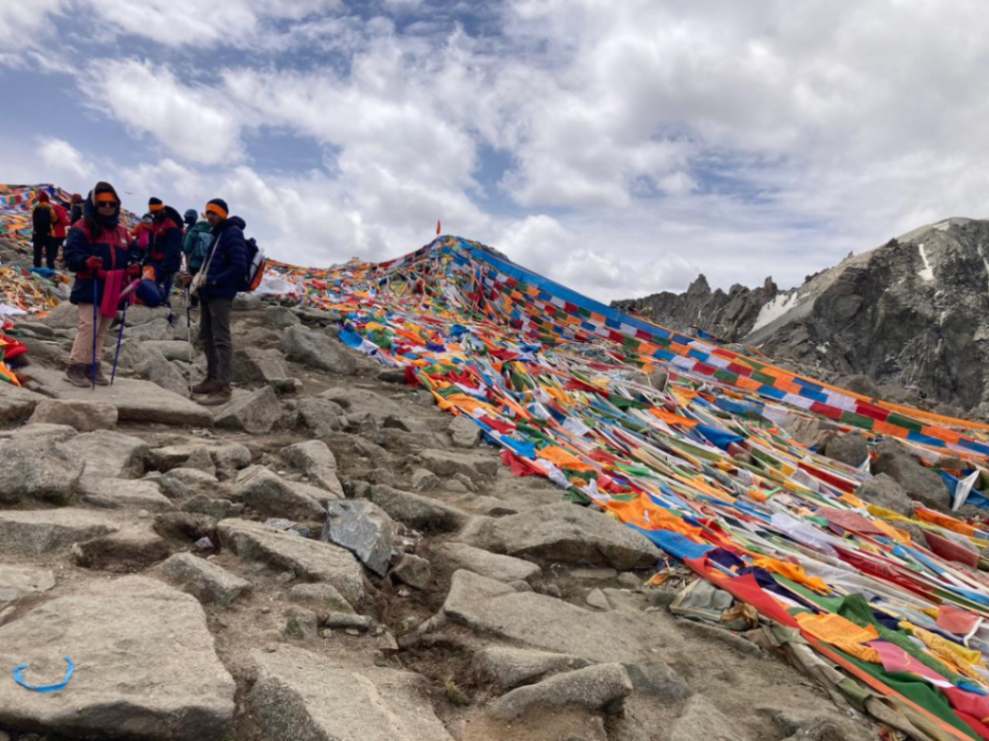
Following the legends and stories regarding the Dolma La Pass, let’s now talk about the aspects of trekking, which is a major aspect of going through this pass. That said, going through this part is both physically and mentally challenging. It is the highest point of the trek, after all. Therefore, you need to have the required endurance, preparation, and mental strength to complete this pass.
Following is a general breakdown of the various aspects of trekking across the Dolma La Pass.
1. The Route to Dolma Pass
- On the second day, Mount Kailash Kora, the trek to Dolma la Pass usually starts at Dirapuk Monastery (4,590m).
- Depending on the season, the ascent is steep, requiring a combination of rocky paths and loose scree.
- On the summit, pilgrims will find thousands of colourful prayer flags as well as stone cairns and mani stones engraved with Buddhist prayers.
- It is a steep descent that leads to the holy Gauri Kund Lake before reaching Zutulpuk Monastery (4,590m) at the other end.
2. Trekking Challenges
- At 5,630 metres, the thin air increases the risk of Altitude sickness (AMS).
- Conditions may change quickly, with strong wind, temperatures below zero, and snowfall, even in the summer.
- The climb up to the pass requires a slow, steady pace. It is difficult to descend due to the ice and loose stones. Spiritual and Cultural Experience
- Many pilgrims think that crossing Dolma la symbolizes the transition from past sins to spiritual rebirth. Many people recite mantras and pray as they walk.
- Some people prostrate themselves along the entire sacred kora circuit, which can take weeks.
- Some people leave offerings like prayer flags or coins, as well as personal items, at the summit to seek blessings from goddess Dolma(Tara).
3. Prepare and learn tips
- Acclimatization Spending some days in high altitudes before your trek can help prevent altitude sickness.
- Trekking, cardio exercises, and strength training increase endurance.
- Layered clothing, trekking poles, and sturdy boots are essential. Also, water and snacks will be needed.
- Hiring a local porter or guide is helpful for carrying supplies or to help with altitude sickness.
Difficulty Level of Trekking
Now, we have mentioned that the Dolma La Pass is the highest point and the most difficult part of Kailash Kora. But how difficult is this peak? Well this trek is considered challenging to extremely difficult in terms of trekking. Some of the key reasons why trekking through this pass is tough include the following:
- Altitude sickness can be a serious problem.
- Altitude sickness can cause headaches and nausea.
- It may also make you feel dizzy or fatigued. It is a steep and strenuous climb up to Dolma La, with rocky paths, loose gravel, and even icy tracks.
- Even in the summer, unpredictable weather can bring snow, strong winds and freezing temperatures.
- In early spring and late fall, the pass is usually covered with snow. This increases the difficulty.
- Wind chill and exposure to the elements can lead to hypothermia if not properly dressed.
- The full Mount Kailash Kora is 52 km, usually completed in three days.
- The section from Dirapuk to Zutulpuk (crossing Dolma La) is the toughest, taking 8 to 10 hours of continuous trekking.
Challenges of Crossing Dolma La Pass
Now that we have established that trekking through Dolma La Pass is difficult and has some key reasons, let’s go through three of these key reasons in a bit more detail. The three key reasons as to why crossing Dolma La Pass include the following:
1. Altitude Sickness (AMS)
One of the key challenges of Dolma La Pass is altitude sickness. This peak is located at 5,630 meters above sea level and at this level, the oxygen at this level is significantly low. AMS can also lead to symptoms such as headaches, dizziness, nausea, breathlessness, and fatigue. Severe cases of AMS can also lead to High-Altitude Pulmonary Edema (HAPE) and High-Altitude Cerebral Edema (HACE), which can be life-threatening. You need to have proper acclimatization and hydration and take a slow pace.
2. Extreme Weather
The challenge does not end with the trekking difficulty as the weather of this pass is extreme as well. This region experiences sudden snowfall, strong winds, and subzero temperatures, even in the summer season. The chilly wind can also make the trek feel much colder than it is and increase the risk of hypothermia alongside frostbite. During colder months, snow and ice make the terrain hazardous, requiring extra caution and trekking poles for stability.
3. Physical Demands
The final difficulty regarding Dolma La Pass is regarding the physical demand of this place. It goes without saying that the climb to Dolma La Pass is highly demanding on your physique as the altitude is high and the terrain itself is rocky. Furthermore, this trek itself takes 8 – 10 hours, which is significantly long. The reduced oxygen levels also make physical exertion much more difficult, which can cause fatigue and breathlessness. Since you also have to carry gear and a backpack, the need for physical demand is even higher.
Cultural Practices at Dolma La Pass
Now, as you reach this pass you can find several cultural practices practiced. While these practices may seem ordinary, each of these practices has deep significance. So, what are these cultural practices? Some of the key cultural practices practised in this place include:
1. Prayer Flag Offerings
One of the most common cultural practices at Dolma La Pass is prayer flag offerings. At the summit of this pass, pilgrims, such as yourself, tie colourful prayer flags as a symbol of faith and spiritual blessings. These flags are inscribed with sacred mantras and flutter in the wind, carrying prayers for peace, protection, and enlightenment. Each flag represents one of the five elements and is believed to harmonize the energy of the sacred mountain. Pilgrims that as the wind moves the flag, the prayers and wishes are carried to the heavens.
2. Mani Stone Piling
Another key cultural practice practised on the Dolma La Pass is the stacking of mani stones, which are flat stones, which are engraved with Buddhist mantras. These stones are carefully placed in small piles along the route as an act of devotion and spiritual merit. Many pilgrims also carry their own inscribed stones to leave at the pass, believing that doing so strengthens the connection to the divine and successful Kora. Regardless of where you source the stones from, the practice of piling the stones at Dolma La Pass is a key cultural practice.
3. Prostrations
Prostrating before something divine is a commonly performed action and is a sign of deep reverence, and it is one of the key cultural practices. This practice is also seen as a way to purify the past Karma, cultivate humility, and demonstrate unwavering faith. Now, do note that prostrations do not stop at Dolma La Pass, as some pilgrims perform the entire Mount Kailash Kora through prostrations. It should also be noted that while some stop at the pass to kneel or bow, others simply bow and prostrate in the passing.
4. Offerings to Tara
Since the Dolma La Pass is named after Dolma (Lord Tara), many Buddhist practitioners also leave offerings at the summit to seek her blessings. The specific offerings can vary ranging from coins and butter lamps to grains, food and even personal items. These offerings symbolize great attitudes and prayers for safety. Many also recite prayers dedicated to lord Tara and ask for guidance as well.
5. Silent Reflection
While taking action is a form of cultural practice, sometimes not doing anything is also an act of cultural practice. Many pilgrims also reflect on their deeds silently, and others also pause to absorb the sacred energy of the peace while feeling a profound connection to the connection of peace. This quiet moment of introspection allows pilgrims to reflect on their intentions, prayers, and the significance of their journey which makes Dolma La Pass a place of devotion in addition to inner peace and renewal.
The Best Time to Visit Dolma La Pass
The next question we would like to answer is regarding the best time to visit Dolma La Pass. So, what is the best time to visit Dolma La Pass? It is during the spring (May to June) and Autumn (September to October) seasons. These months offer you some of the most stable weather conditions, which makes trekking in these seasons safer and more enjoyable. In the spring, the snow from winter begins to melt, which reveals clearer trails and bright and clear skies. Although temperatures are cold, they are more manageable when compared to harsh winters.
Another one of the most ideal seasons to go to Dolma La Pass is Autumn which is excellent for trekking, as the seasons are fresh and crisp while the paths are stable and firm. The weather also remains relatively mild, and the visibility is at its best which offers stunning panoramic views.
Tips For Trekking Dolma La Pass
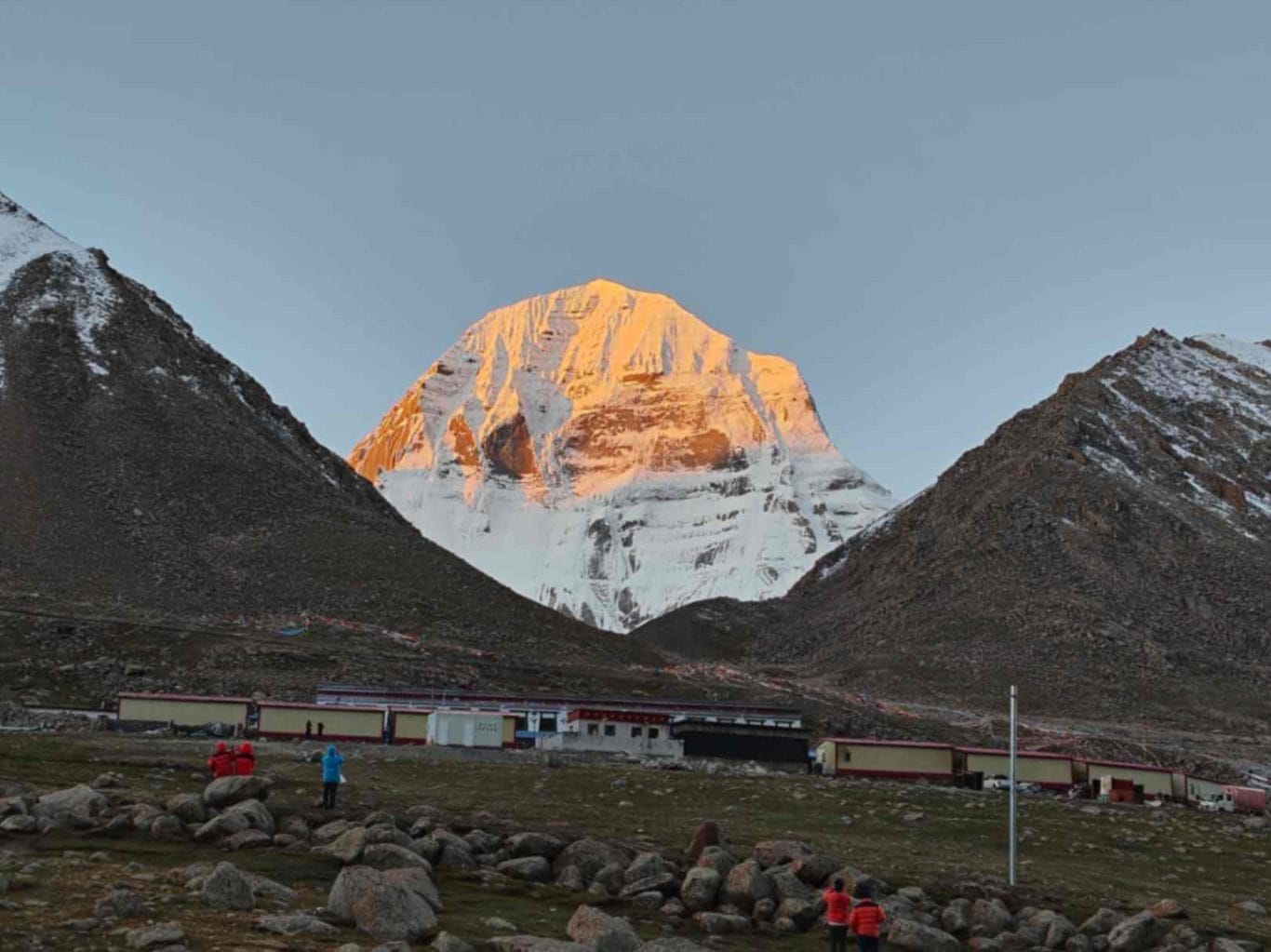
Before we conclude this topic, let’s talk about some of the key tips for passing the Dolma La Pass. While the specific tips can differ, some of the key tips we have for you include:
- Choose moisture-wicking underwear, insulated outerwear, gloves, and a warm hat.
- They help with balance, and they reduce strain on the knees when climbing steep slopes or descending them.
- To avoid bad weather, start the trek early from Dirapuk towards Zutulpuk via Dolma La.
- Maintain silence and respect prayer flags and Mani Stone.
- A local guide or group will ensure your safety and navigation.
- Take your basic medications: Diamox and pain relievers.
- Do endurance and strength training, as well as cardio.
Dolma La Pass is one of the key stops and points in Kailash Mansarovar’s journey. It is one of the highest points of the Kailash Kora region, after all. This pass, located on the northern side of Mount Kailash, has deep religious significance as well. Furthermore, there are also deep stories and legends alongside cultural practice which makes the Dolma La Pass one of the best points in the peak. That said, do note that this part of the journey is fairly difficult and it takes a fairly good amount of physical and mental fitness to go through this pass.