
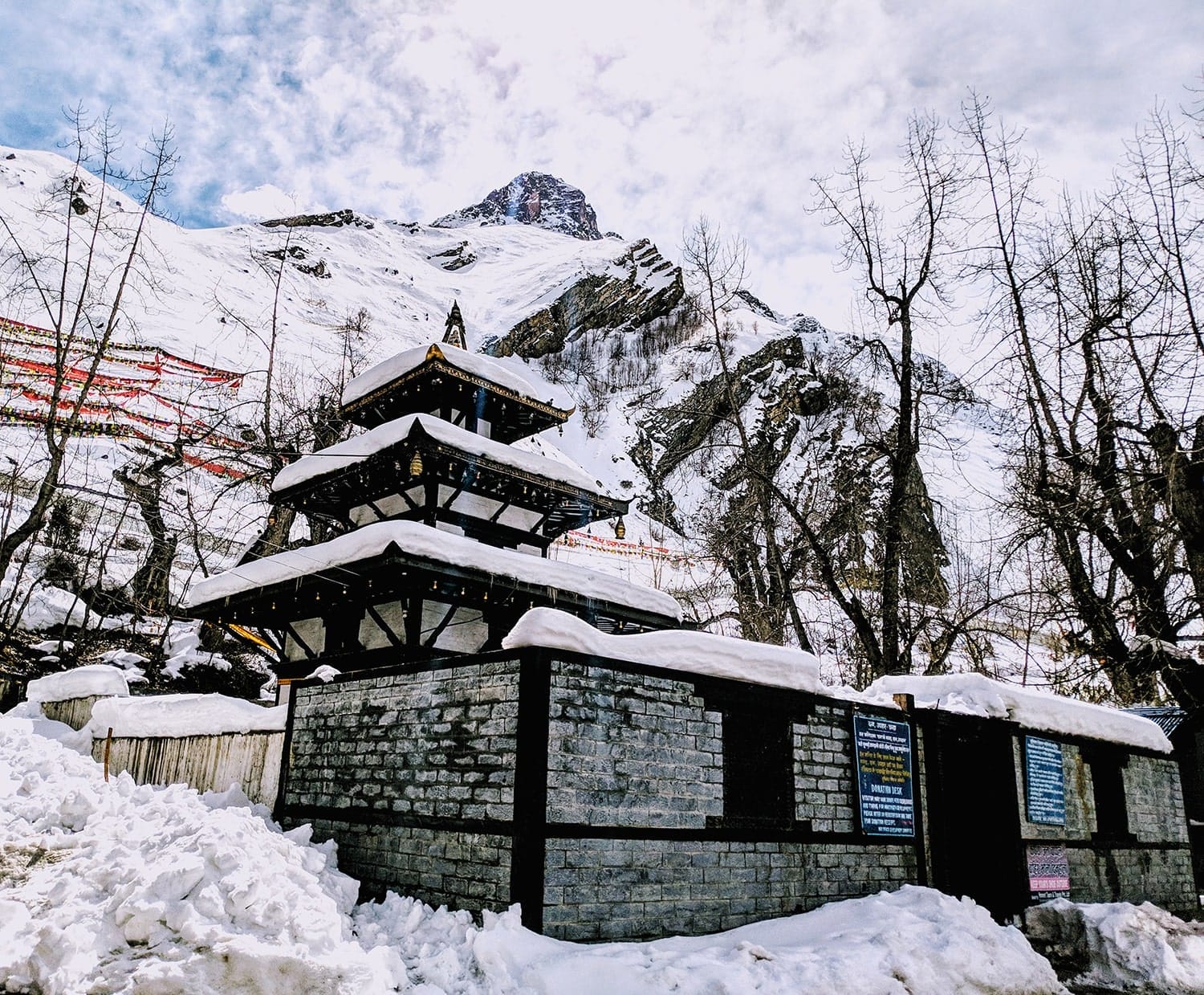
Muktinath is a religious site that is famous for many reasons, including stunning views of the surroundings and its deep religious significance. This perfect blend of natural beauty and deep religious as well as spiritual significance makes Muktinath a sacred place for both nature lovers and spiritual seekers. On top of this, the journey towards the Muktinath Temple can also be filled with adventures, making this a must-visit destination for adventure seekers. This trio of factors makes Muktinath an ideal tourist destination regardless of what you seek. But there is also a lesser-known aspect of Muktinath that only the real explorers see – its history.
Muktinath is a place filled with rich history, and in this blog, we take a glimpse into Muktinath temple history while also covering other aspects, such as how to reach this place and some tips for you. Keeping this in mind, let’s get a bit nerdy and talk about today’s topic.
Where Is Muktinath Temple Located?
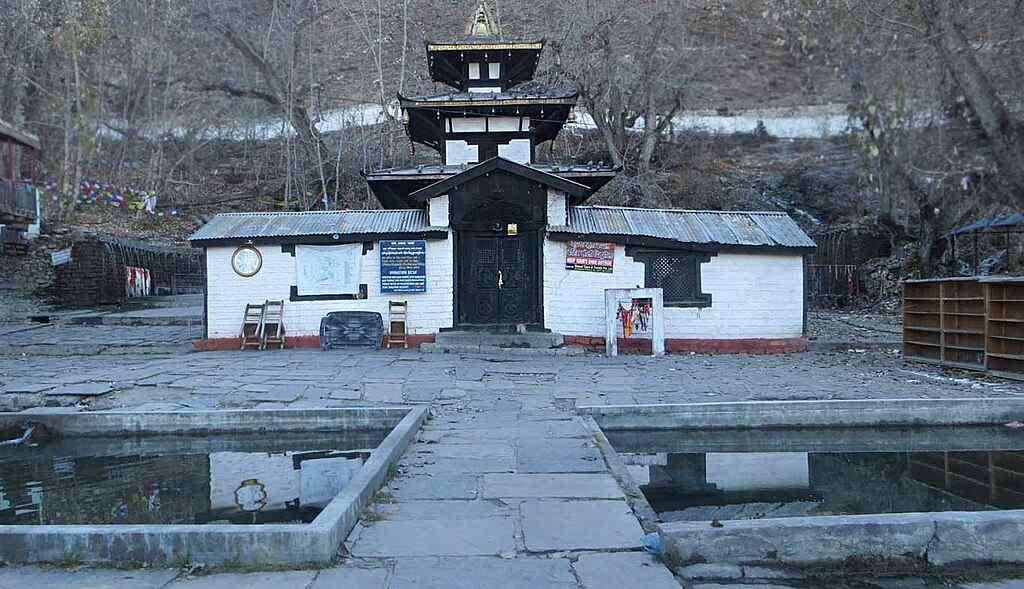
Before you decide to travel to Muktinath, you first need to know where it is located. After all, deciding to travel without knowing the exact location of the destination is not really a good idea. This brings us to the question of where Muktinath Temple is located. Well, this temple is located along the route of the famous Annapurna Circuit Trek, Jomsom to Muktinath Trek, and Upper Mustang Trek, which is just below the Thorong-La Pass. The temple is located in the Annapurna Conservation Area, and because of its deep spiritual significance, it is considered a holy temple for all pilgrims across the globe. The specific coordinates of this temple are 28.8169° N, 83.8718° E.
As we mentioned, this is a deeply spiritual place and is a temple dedicated to Lord Vishnu, one of the principal deities in Hinduism. Muktinath Temple is also considered one of the eight sacred places in Hinduism. Furthermore, the temple is also associated with Buddhism, as it is believed that Guru Rinpoche meditated under the temple.
Highlights of Muktinath Temple
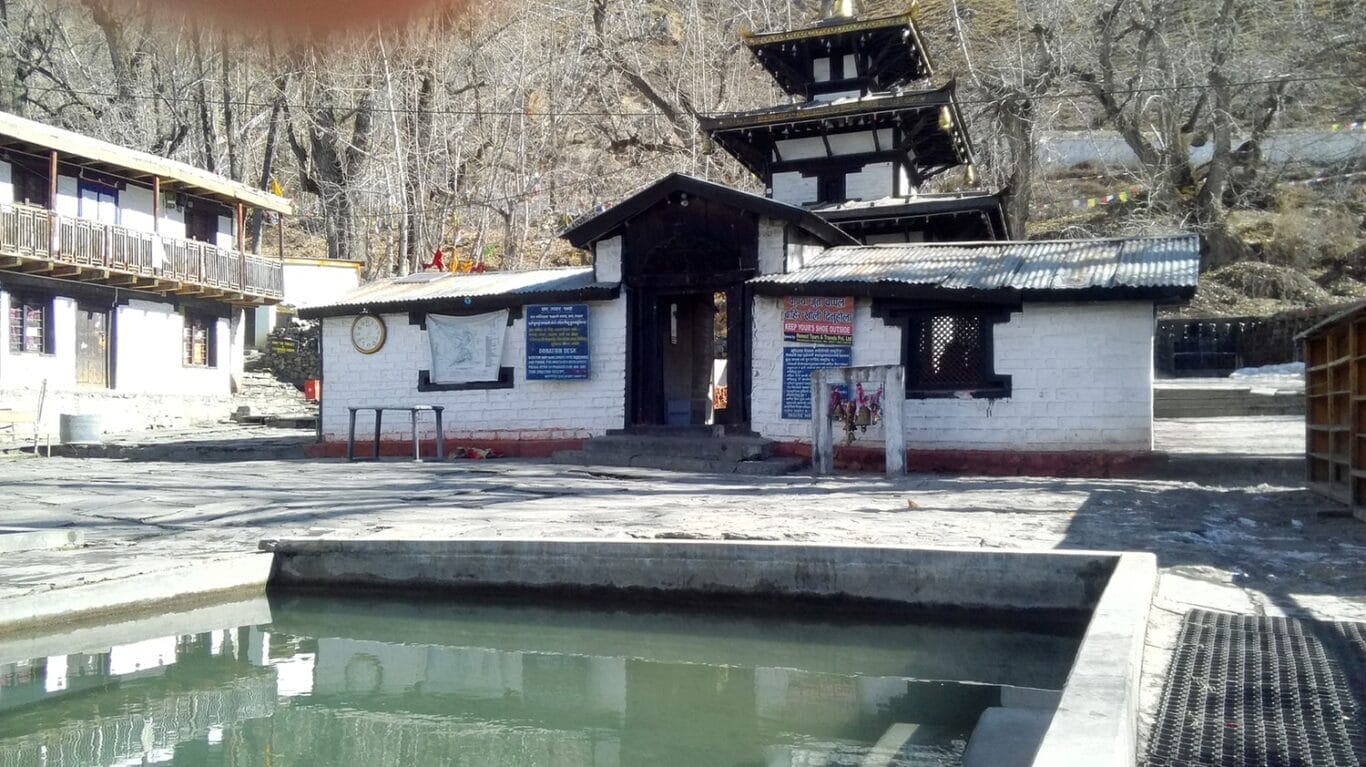
The next thing to know after knowing where this temple is located before deciding to travel here are the main attractions and highlights of Muktinath Temple and what you can enjoy along the way. The good news for you here is that there are plenty of things to do in muktinath, enjoy, regardless of if you are a religious/ spiritual person or not. Some of the key highlights of this temple include:
1. Muktinath Temple Complex
Well, it should not be a surprise to anyone that the main highlight of the Muktinath temple is the temple itself. It is, after all, a stunning pagoda-style temple surrounded by colourful prayer flags, lying amidst unforgeable natural beauty.
2. Jwala Mai Temple And Eternal Flame
Another key highlight around Muktinath Temple is the Jwala Mai Temple and the Eternal flame that never goes out. As the name suggests, the Jwala Mai temple is a temple dedicated to the lord of flames and the eternal flame is seen as the divine manifestation of this lord. A more scientific explanation for this flame is that it is a flame that is fueled by natural gas seeping from deep beneath the rocks.
3. 108 Sacred Water Sprouts
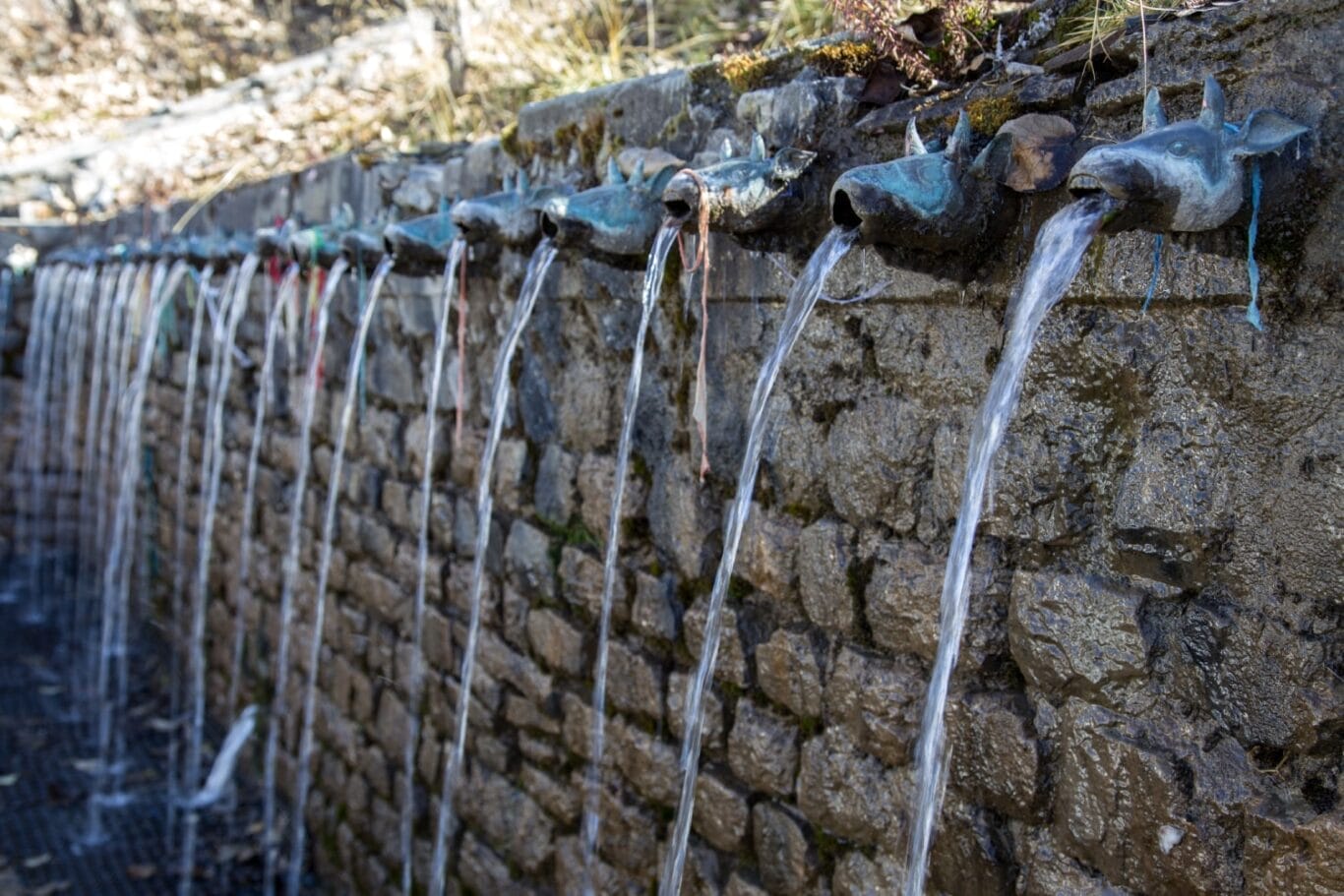
Another highlight within the temple complex is the 108 sacred water sprouts, which are intricately carved but have deep spiritual meanings. It is believed that taking a bath in these sprouts brings you close to spiritual liberation and purifies all forms of sins that may have accumulated. And just a bit far from 108 water sprouts is our next highlight.
4. Buddhist Monastery
This temple lies near the temple, and it is a simple Tibetan-style monastery. That said, this monastery is dedicated to one of the significant gurus in Buddhism, Guru Rinpoche, so its spiritual value is anything but simple. And besides, there is a sense of serenity in the simplicity of this monastery itself.
5. Kagbeni Village
Now, while you need to reach the temple itself to enjoy the simplicity of the monastery, you can stay and enjoy the warmth of Kagbeni before you reach this destination. You can enjoy traditional Tibetan-style hospitality and the rich heritage of this place before you reach the Muktinath Temple itself.
6. Marpha Village
Similar to Kagbeni Village, Marpha is another village that is not located near the Muktinath temple, and you need to travel a bit to reach this place. However, it is well worth the extra journey since Marpha is a wonderful village that is also known as the Apple Capital of Nepal, which is filled with apple orchids. If you want a relaxing stay surrounded by authentic local customs, this is one of the best places to stop.
7. Local Festivals
If you visit Muktinath at the right time, you may even get the opportunity to witness the local festivals in their full glory. The right time is in the spring, and as long as you plan your visit to align with local festivals, you can make some unforgettable memories regardless of whether you stop at Kagbeni village or Marpha village.
8. Shaligram Stones
Last but not least, yet another one of the key highlights of the Muktinath temple journey is the Shaligram stones from the Kali Gandaki river. They are worshipped as the manifestations of lord Vishnu and are cherished for their spiritual blessings.
The ones we mentioned here are just some of the key highlights of your journey towards the Muktinath Temple. Besides the ones we mentioned here, there are several other highlights that you can only experience if you make the journey yourself.
What Is Muktinath Famous For?
Following the discussion about the location and the key highlights of Muktinath Temple, now let’s discuss why this place is famous. We already mentioned that Muktinath has deep religious and spiritual significance and is associated with Lord Vishnu. But this is not the only reason why this temple is famous. Some other reasons behind the fame of Muktinath Temple include:
- Jwala Mai Temple and Eternal Flames: As mentioned previously, this temple lies in the vicinity of Muktinath Temple, which further adds to its spiritual significance and fame.
- Hindu Mythological Significance: Muktinath Temple is also deeply significant because of its mythological significance. As per the myths, this is the site where lord Vishnu attained salvation from the Brinda’s curse.
- Self-Risen Shrine: Besides being associated with Lord Vishnu, it is also believed that the shrine of this temple emerged naturally, making it even more spiritually significant.
- Ritual Cleansing: Spiritual believers believe that bathing in the 108 Dhara/ water sprouts around this temple cleanses oneself from sins and enhances their spirituality.
- Unique Vishnu Shrine: Muktinath is one of the eight sacred Vishnu shrines and also among the 108 Vaishnava temples.
- Spectacular Backdrop: The temple is set against the snow-covered Annapurna range, enhancing its spiritual and visual appeal.
- Nearby Landmarks: To the north of the temple lie the Upper Mustang region and the Tibetan Plateau, enriching the cultural and geographic significance.
These are, of course, just some of the key reasons why this temple is famous. Besides the ones we mentioned here, there are many other reasons why Muktinath is famous, including the local culture and customs. But we do hope that you understood the general gist of the reason why this temple is famous.
Explore more: Unveiling the Muktinath Tour Package from Nepal: A Spiritual Journey
Muktinath Temple: A Glimpse into its Rich History
And now, we are finally at the core topic of today’s discussion. So, if you are someone who is interested in the Muktinath Temple history of this place, then the wait is over. So, what is the history of this place? Well, it can be divided into a few short subtopics, and this is exactly what we are going to do. Following is a brief breakdown of the Muktinath Temple history.
1. Ancient Origins Of Muktinath Temple
Well, to be honest, no one knows where and when this temple came from. Its origin is completely shrouded in mystery. However, this presence is noted in both Hindu and Buddhist texts. You can find the reference of this temple in connection to moksha and worship of lord Vishnu in the early Puranic texts as Muktikshetra. This temple has also been praised by the Tamil Alwar saints during the early mediaeval periods between the 6th and 9th centuries in their hymns. This places the origin of the temple at least in the early mediaeval era.
The area had already gained importance as a sacred site during the 8th century CE when it was believed that Guru Rinpoche, also known as Padmasambhava, is believed to have visited this temple. By this point, Muktinath was already linked with the eternal flames. This signifies that the eternal flame was already burning in the 8th century. Architecturally, the style of this temple is pagoda, which suggests that it was influenced by Nepalese and Tibetan traditions.
This is just about everything we know about the early recorded Muktinath Temple history. The rest of the Muktinath Temple history is surrounded by myths and legends. Speaking of myths and legends –
2. Legends And Myths Surrounding Muktinath Temple of Nepal
There are many myths and legends surrounding the Muktinath Temple, and some of them are really popular. While you should take these legends with more than a bit of scepticism, they are interesting to read/ know nonetheless. Some of these popular myths and legends include:
- According to Hindu mythology, Muktinath is the site where Lord Vishnu freed himself from the curse of Brinda, the wife of Jalandhar. For this act of salvation (moksha), he is venerated as the “Lord of Salvation” (Muktinath).
- There is a commonly held belief among believers that the idol and the temple itself came out of nowhere from the earth itself.
- The 108 cow-faced spouts, known as Mukti Dhara, are believed to originate from divine sources. Bathing in their icy waters is said to cleanse one’s sins and pave the way to salvation.
- The Jwala Mai Temple nearby is home to three eternal flames fed by natural gas. These flames are considered manifestations of the Hindu god Agni and the Buddhist elements of fire, symbolising the eternal energy of life and the divine.
- Buddhists regard Muktinath as a sacred site blessed by Guru Rinpoche (Padmasambhava) during his journey to Tibet. The temple is also associated with Chumig Gyatsa, a place of spiritual transformation and enlightenment.
- It is believed that attaining the darshan (sight) of Muktinath Temple guarantees liberation from the cycle of birth and death, making it a key destination for seekers of moksha.
- A great Indian philosopher and theologian, Adi Shankaracharya, visited this temple in the 8th century and recognized it as a powerful spiritual site.
- These are just some of the well-known legends and myths surrounding this temple. If you dig a bit deeper, you will find many more legends about this temple, especially among the locals.
3. Dynasties And Rulers Associated With Muktinath
At this point, we have already established that this temple has been famous for nearly 1600 years, give or take a few hundred years. So, it should not be a surprise to anyone that there have been many dynasties and rulers who have visited this temple and often aided in its development and maintenance. One such dynasty includes the Malla Dynasty, which ruled over some parts of Nepal between the 12th and 18th centuries. This dynasty is deeply associated with the construction, restoration, and promotion of parts of this temple. Later on, as Nepal was united under the Shah Dynasty, they too contributed to the maintenance and promotion of this temple.
Besides the specific dynasties from Nepal, many individual rulers from Tibet and India have also visited, praised, and donated to the development and enhancement of this temple.
4. Role In Cultural Exchange Between India And Tibet
Besides being kept in high regard by various prominent historical figures, Muktinath also once played a key role in enhancing the cultural exchange between India and Tibet. This temple once lay along the ancient trade known as the salt trade route that connected both India and Tibet, allowing for the cultural exchange between these two nations at the time. Its location made it an important site for pilgrims passing through the route to rest and exchange cultures with fellow travellers. The interaction between these two groups also contributed to this temple’s deep significance in both Hinduism and Buddhism, making it a perfect symbol of harmony between two different religions and cultures.
With this, we come to the end of the core topic, but of course, the Muktinath Temple history that we covered here is just a small section of all the major events that took place in this remote area for over a thousand years. But keeping this Muktinath Temple history in mind, let’s move on to our next section.
Historical Importance of Muktinath Temple
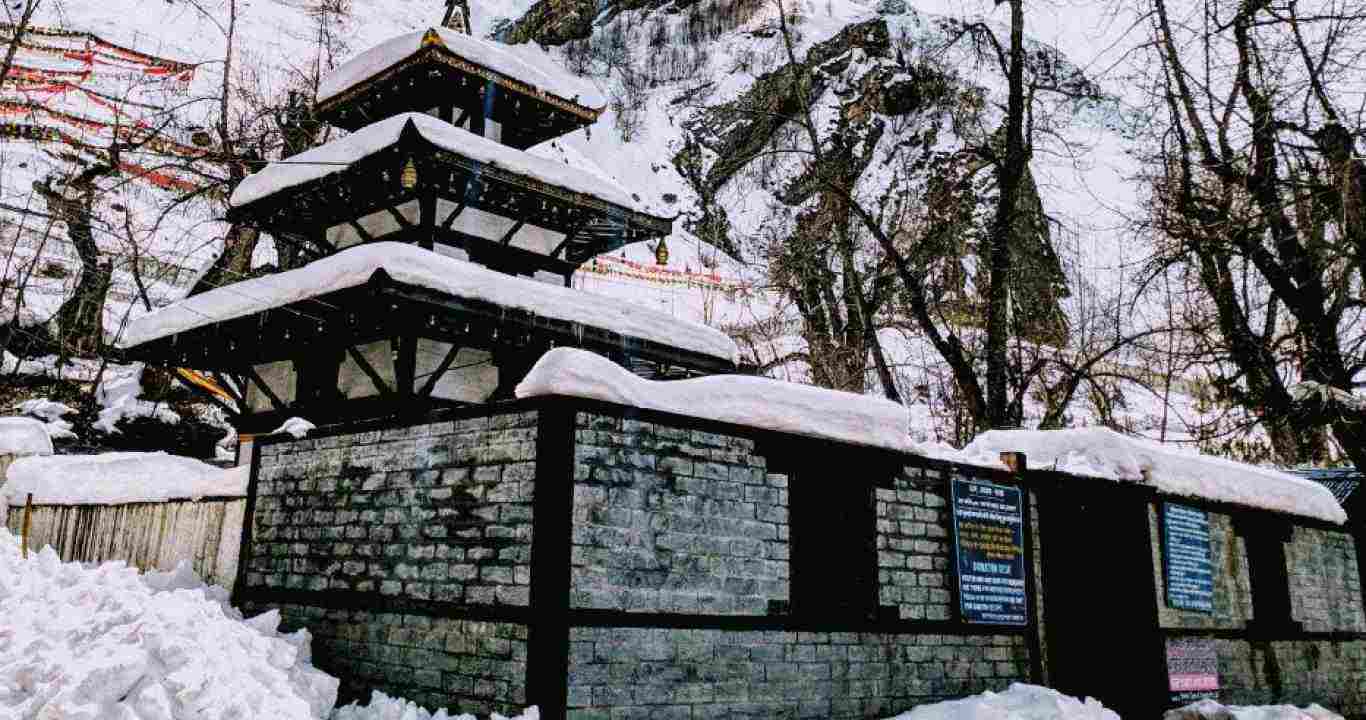
So by this point, you should be aware of the ancient Muktinath Temple history, and some of you may even begin to question – but what historical importance does this place have? Is it only significant spiritually? The answer to this question is no – it is not significant, just spiritually, and this place has deep historical significance. Some of the key historical significance of Muktinath Temple include:
- Muktinath Temple has been a significant destination for Hindu and Buddhist pilgrims for centuries, symbolising spiritual liberation (moksha) and enlightenment. It is one of the oldest continuously worshipped shrines in the Himalayas.
- For Hindus, Muktinath is one of the 108 Divya Desams, sacred Vaishnavite temples mentioned in Tamil Alwar hymns from the 6th–9th centuries CE, underscoring its prominence in Vaishnavism.
- For Buddhists, the temple is revered as Chumig Gyatsa (Hundred Waters), blessed by Guru Rinpoche (Padmasambhava) during the 8th century CE, marking its significance in Vajrayana Buddhism.
- Located along ancient trans-Himalayan trade routes between Nepal and Tibet, Muktinath served as a spiritual and cultural nexus for traders, monks, and pilgrims, facilitating the exchange of religious ideas and practices.
- The temple reflects a blend of Nepalese pagoda-style architecture and Tibetan Buddhist influences, illustrating centuries of cultural interaction and shared craftsmanship.
- The temple’s proximity to the Kali Gandaki River, a source of sacred Saligram stones used in Hindu rituals, further elevated its historical and religious importance.
- Muktinath has been referenced in Hindu scriptures like the Puranas and epics, as well as Tibetan Buddhist texts, attesting to its enduring relevance in the spiritual and cultural history of South Asia.
Best Time to Visit Muktinath Temple: A Visitor’s Guide
Now that we have covered the main topic let’s discuss some auxiliary information before we end our blog. One such information that you must know if you decide to visit Muktinath temple is the best time to visit it. The good news here is you can visit this place during most of the season. That said, there are two seasons that are better than the rest: spring and autumn. These seasons offer you pleasant weather, clear skies, and stunning views of the surrounding mountain ranges. The details regarding these seasons include:
1. Spring (March to May)
Spring is undoubtedly one of the best times to visit Muktinath. If you visit this destination during this season, you can experience the vibrant trail with blooming rhododendrons and the mild temperature, making it one of the best times to trek and go sightseeing.
2. Autumn (September to November)
The rain stops after the monsoon season, and the weather slowly becomes clearer. This makes the autumn season perfect for just about anyone who wishes to visit this sacred pilgrimage site. Autumn is also the most popular season, primarily because of its stable conditions.
Besides these two seasons, you can also technically visit this place during summer and winter, but the weather, temperature, and road conditions might not be ideal for you. Furthermore, the view might also not be ideal for you. That said, as long as you prepare adequately, you can visit Muktinath temple at any time of the year.
Step-by-Step Guide to Reaching Muktinath Temple
Before we reach the final sub-topic of this blog, let us provide you with a step-by-step guide for Muktinath Temple. Here is a step-by-step guide on how you can reach this place. We shall keep this brief since the blog is already long enough, and we still have to talk about one another aspect. The general outline relating to a step-by-step guide for reaching Muktinath Temple is presented below.
- Step 1:- Start the journey from Kathmandu, the capital of Nepal, which has good international flight connectivity.
- Step 2:- Fly from Kathmandu to this famous tourist hub, Pokhara, in a domestic flight of 25 minutes or via bus/jeep in 6–8 hours.
- Step 3:- It is either a 20-minute flight from Pokhara to Jomsom or a drive via Beni, which is a bit tedious but very beautiful.
- Step 4:- Drive from Jomsom to Muktinath around 2 hours by jeep through rugged mountain roads or trek from Jomsom to Muktinath along the Annapurna Circuit for a bit more adventurous in 2-7 hours.
- Step 5:- From the drop-off point, it’s a short 15–20-minute uphill walk to the Muktinath Temple.
- Step 6:- Alternatively, hire a pony or porter for assistance.
Tips for Visitors to Muktinath Temple
The last aspect we are going to cover is actually not an aspect at all but rather a list of tips we have for you if you are going on a Muktinath Tips. The list of tips for you if you are visiting Muktinath Temple includes:
- Acclimatize properly by spending a few days in lower-altitude areas like Jomsom before heading to Muktinath.
- Drink plenty of water to help your body adapt to the altitude and lower the risk of altitude sickness.
- Stay hydrated at high altitudes to prevent dehydration and symptoms like headaches or dizziness.
- Bring altitude medication after consulting your doctor, as common symptoms include nausea, fatigue, and shortness of breath.
- Pace yourself by walking slowly and taking breaks, especially if you’re trekking or adjusting to high-altitude activities.
- Most visitors overnight at Jomsom, about 24 km from Muktinath, which has a range of basic guesthouses to mid range hotels.
- You can enjoy the serene surroundings from the rustic lodges available in Kagbeni Village.
- The easiest way to reach Muktinath is by flying from Pokhara to Jomsom (20-minute flight), followed by a trek or drive in a jeep to Muktinath.
- If travelling by road, the distance from Pokhara to Muktinath is about 180 km, and from Kathmandu to Muktinath is around 375 km, but travelling on road can be pretty challenging during the monsoon season.
- Muktinath has basic guesthouses and tea houses around the temple that provide simple foods and accommodate simple lodging.
- Bring essential items like toiletries and snacks, as local options may be limited.
- Dress modestly when visiting the temple; avoid shorts or revealing clothing and wear long pants or skirts to show respect.
- Be respectful of religious practices; while taking photos is acceptable, avoid disrupting ceremonies or rituals.
- Take your shoes off before entering the temple; it’s common practice in Hindu and Buddhist temples.
- Keep the noise level low and show awareness of the spiritual environment that visitors seek when coming for quiet reflection.
And with this long list, we are finally at the end of our topic.So now let’s head to the conclusion.
Conclusion
Muktinath is a well-known spiritual and sacred journey that is filled with stunning views of the mountains and Himalayas. That said, this place is not just about spirituality and scenery; there is a deep history attached to this place. In this blog, we discussed the historical aspect of Muktinath along with various other aspects.
We hope you found this helpful. For travel insights into other aspects, like the one for travelling to Muktinath Temple, please do read our other blogs. And for your reliable partner to visit Muktinath Temple, look nowhere other than Kailash Vision Treks, the best tour operator in Nepal. Thanks for reading until the end.