
Introduction
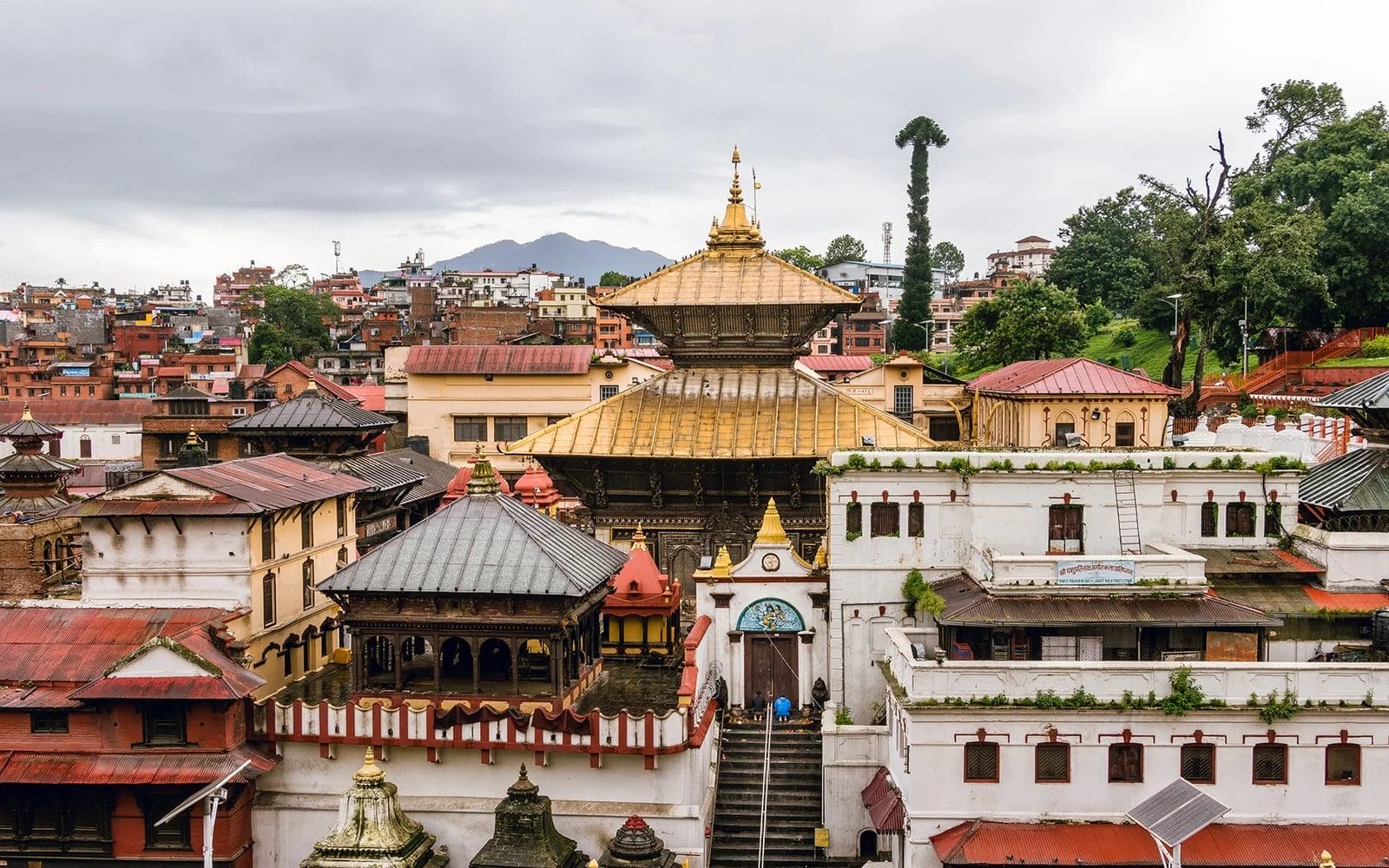
Pashupatinath Temple, a UNESCO World Heritage Site in Kathmandu, Nepal, stands as one of the most important Hindu temples dedicated to Lord Shiva. Pilgrims visit this sacred complex to perform rituals, honour ancestors, and seek spiritual guidance. The temple combines religious practice, historic architecture, and living cultural traditions along the banks of the Bagmati River.
Daily worship, sacred ceremonies, and seasonal festivals attract thousands of pilgrims and travellers each year. Visitors witness authentic Hindu practices including prayer offerings, cremation rites, meditation, and pilgrimage rituals. The surrounding temple complex contains shrines, monasteries, ghats, and markets that reveal Nepal’s deep spiritual heritage.
Beyond architecture, the site functions as a working religious centre. Priests conduct rituals. Devotees present offerings. Families gather to honour the cycle of life and death at the riverside ghats.
For travellers exploring Nepal pilgrimage routes or Kailash Mansarovar journeys, Pashupatinath often serves as an important starting point for spiritual preparation.
Key Takeaways
- Pashupatinath Temple, established around the 5th century, stands as Nepal’s most important Lord Shiva pilgrimage site.
- The temple features traditional Nepali pagoda architecture, with gold-plated roofs, stone platforms, and intricate carved wood structures.
- Major festivals including Maha Shivaratri and Teej draw thousands of devotees who perform prayer, fasting, and ceremonial offerings.
- The Bagmati River cremation ghats host Hindu funeral rites that honour beliefs about rebirth and spiritual liberation.
- Restoration projects, including post-earthquake reconstruction after the 2015 Nepal earthquake, protect the temple’s historic structure while supporting modern pilgrimage activity.
The Spiritual Significance of Pashupatinath Temple
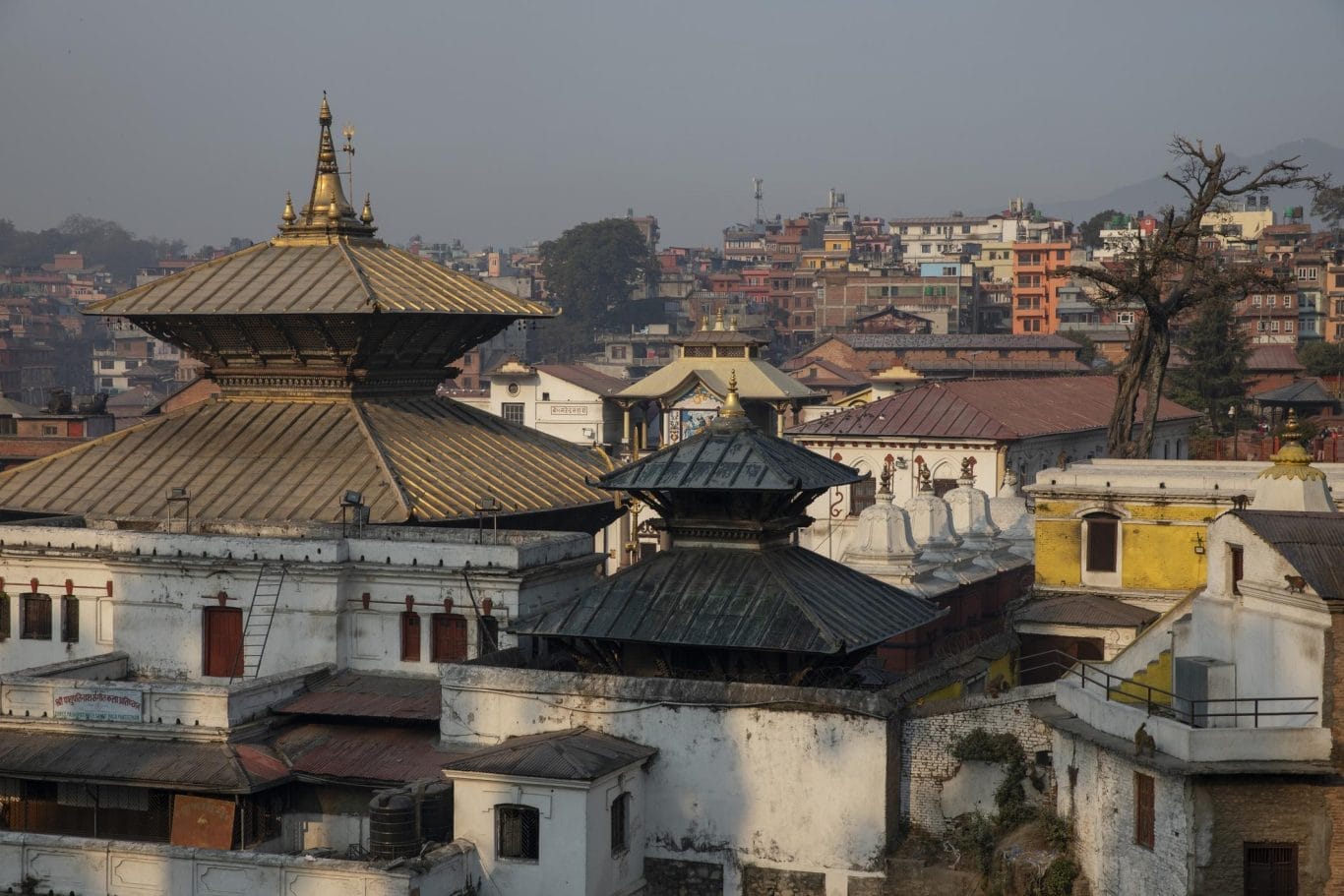
Pashupatinath Temple functions as one of the most powerful Shiva worship centres in the Hindu world. Devotees visit the temple to perform darshan (sacred viewing of the deity), offer prayers, and seek blessings from Lord Pashupati, a form of Shiva known as the protector of all living beings.
Daily rituals follow structured religious practices:
- Morning and evening aarti ceremonies
- Offerings of flowers, milk, fruits, and incense
- Priestly chanting of sacred Sanskrit mantras
- Pilgrim circumambulation of temple courtyards
The temple houses a four-faced Shiva lingam, symbolising Shiva’s presence in all directions. Devotees queue for darshan and present offerings guided by temple priests.
Pilgrims often report a strong sense of spiritual focus and reflection while observing rituals. The sound of bells, chanting, and river flow creates an atmosphere suited to prayer, meditation, and religious devotion.
For many Hindus, visiting Pashupatinath is not sightseeing. It is religious duty and spiritual preparation.
Key Historical Events of Pashupatinath
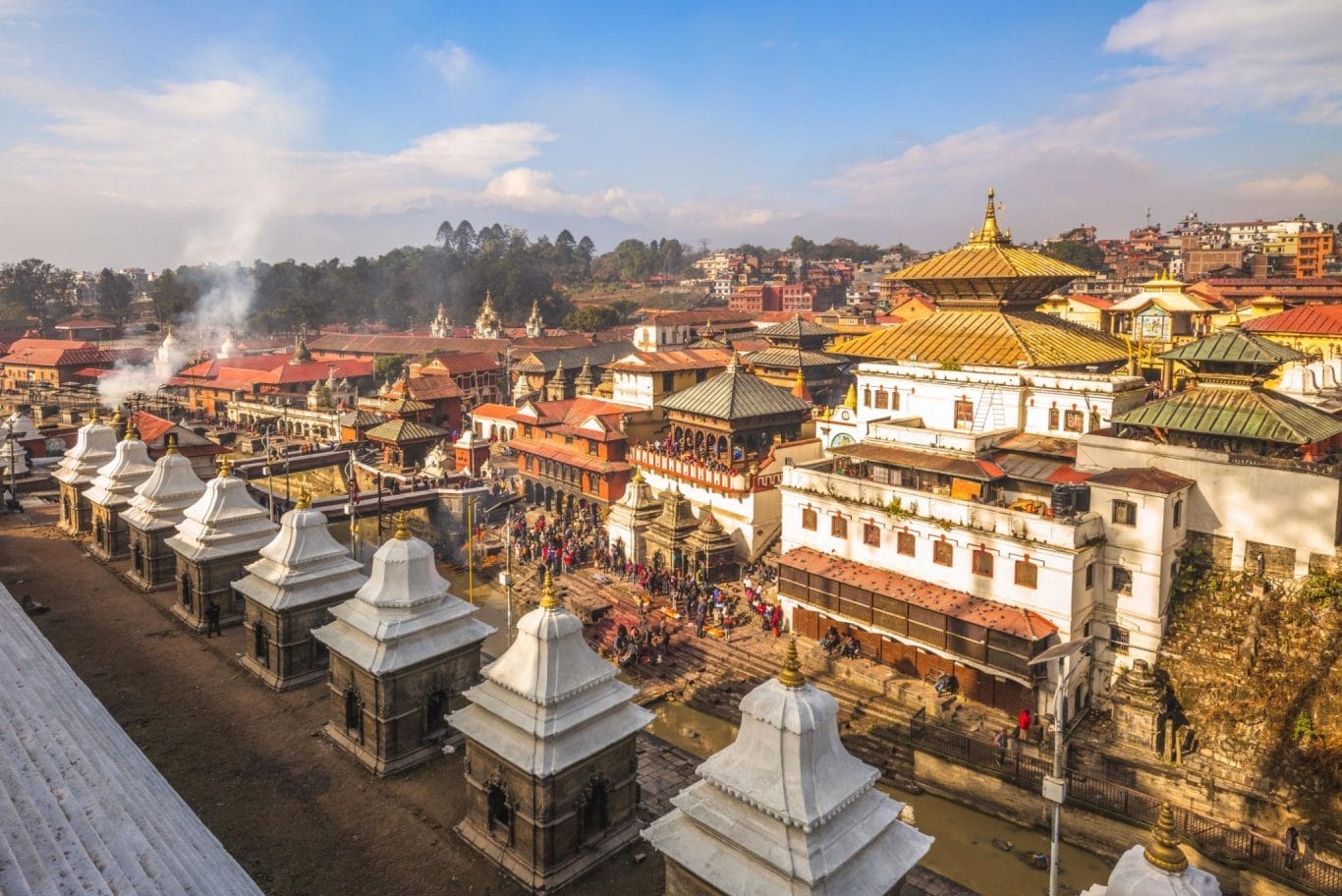
The history of Pashupatinath Temple stretches back more than 1,500 years, making it one of the oldest continuously active religious sites in South Asia.
Ancient Origins and Legends
Religious texts and oral traditions link the temple to ancient legends of Lord Shiva. According to Hindu mythology, Shiva once took the form of a deer and wandered the forests of the Kathmandu Valley. When the gods discovered him, his antler broke and transformed into a Shiva lingam, marking the sacred origin of the temple.
Historical records place the early temple construction around 400–500 AD, during the Licchavi dynasty.
Key historical references include:
| Myth or Legend | Historical Record | Religious Meaning |
|---|---|---|
| Shiva as Lord Pashupati | Temple established during Licchavi rule | Shiva protects all living beings |
| Sacred Shiva Lingam discovery | Royal recognition and patronage | Divine presence in Kathmandu |
| Deer legend | Growth of pilgrimage traditions | Spiritual transformation |
These narratives strengthened the temple’s position as Nepal’s primary Shiva pilgrimage site.
Major Renovations and Restorations
Over centuries, rulers, priests, and conservation teams have repaired and rebuilt sections of the temple complex.
Important restoration milestones include:
- Medieval reconstruction by Malla kings
Rulers funded temple repairs, expanded shrines, and strengthened the religious complex. - Wood and stone conservation projects
Skilled artisans restored carved beams, pillars, and sculptures that form the temple’s structural framework. - Post-Earthquake Restoration (2015 Nepal Earthquake)
Structural repairs stabilised buildings and protected historic elements damaged during the earthquake.
These projects protect the temple’s architectural heritage while maintaining active worship functions.
Cultural Significance Through Ages
Across centuries, Pashupatinath Temple shaped Nepal’s religious identity.
During the monarchy period, kings visited the temple to perform state rituals and royal worship ceremonies. The temple symbolised divine legitimacy for the ruling dynasty.
Today, Pashupatinath represents:
- Nepal’s national religious heritage
- A centre for Hindu pilgrimage and priesthood
- A cultural landmark attracting international travellers and spiritual seekers
The temple remains a living religious institution, not a preserved monument.
Architectural Features of Pashupatinath Temple
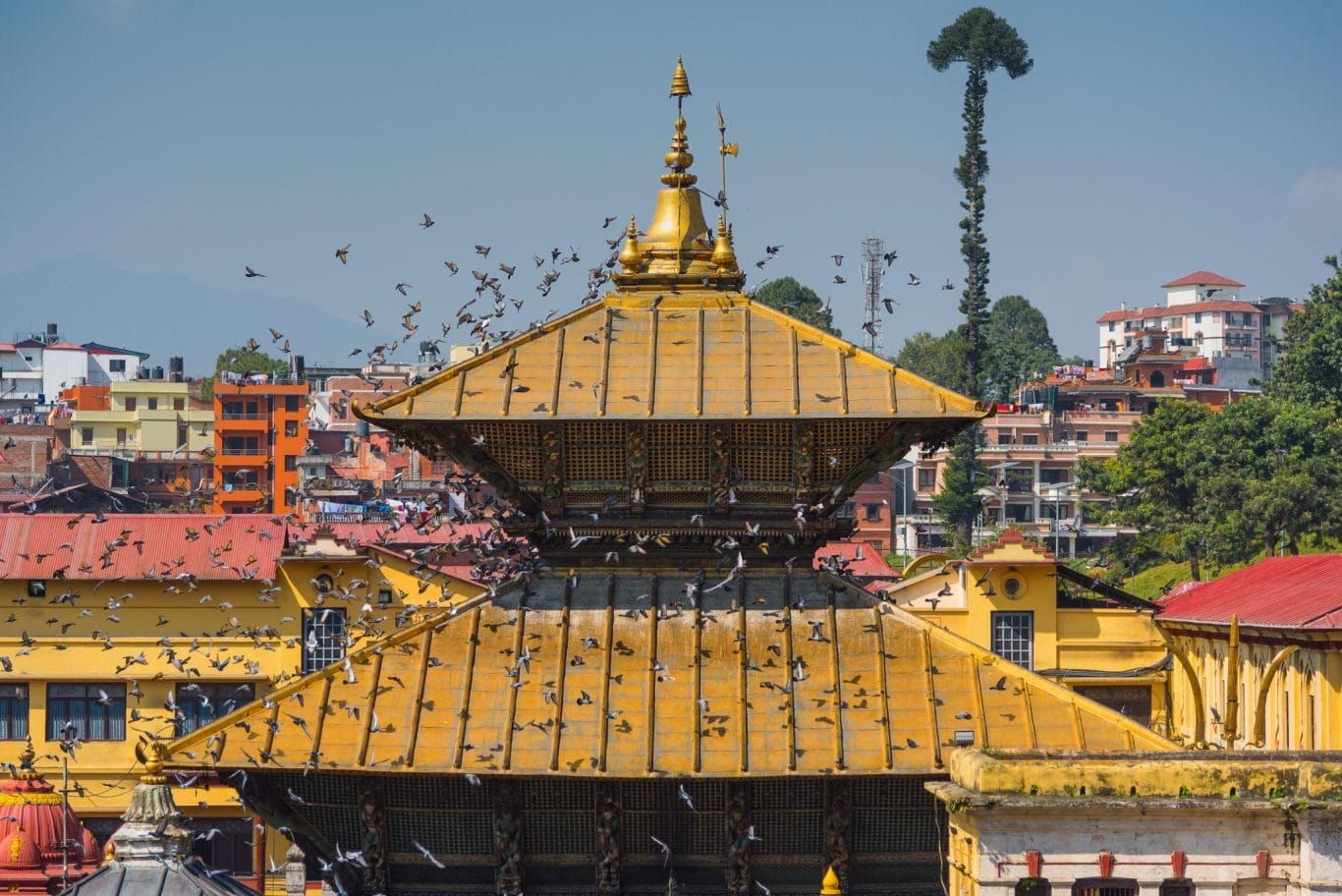
The Pashupatinath Temple complex showcases classic Nepali pagoda architecture combined with intricate religious symbolism.
Sacred Pagoda Style
The main temple follows the two-tiered pagoda design common in traditional Kathmandu Valley temples.
Key structural features include:
- Golden tiered roofs
Copper sheets coated with gold plates cover the roof, signalling the temple’s sacred status. - Stone plinth foundation
Raised platforms support the temple structure and define ceremonial pathways. - Four-directional entrances
Each doorway represents Shiva’s universal presence.
The central sanctum houses the four-faced Shiva lingam, which priests worship throughout the day.
Intricate Wood Carvings
The temple’s carved wooden struts and beams display detailed religious artistry.
Craftsmen carved figures representing:
- Hindu deities
- Mythological guardians
- Floral and geometric sacred patterns
These carvings function as both structural supports and religious storytelling elements.
Each sculpture communicates spiritual symbolism and cultural heritage passed down through generations of Nepalese artisans.
Riverfront Location Significance
The temple stands beside the Bagmati River, a sacred river in Hindu tradition.
This location carries religious meaning:
- Purification rituals – pilgrims wash in the river before entering the temple.
- Funeral ceremonies – cremation ghats line the riverbanks.
- Pilgrimage gatherings – religious processions assemble along the water.
The river therefore connects life rituals, death rites, and spiritual purification within one sacred landscape.
Major Festivals at Pashupatinath
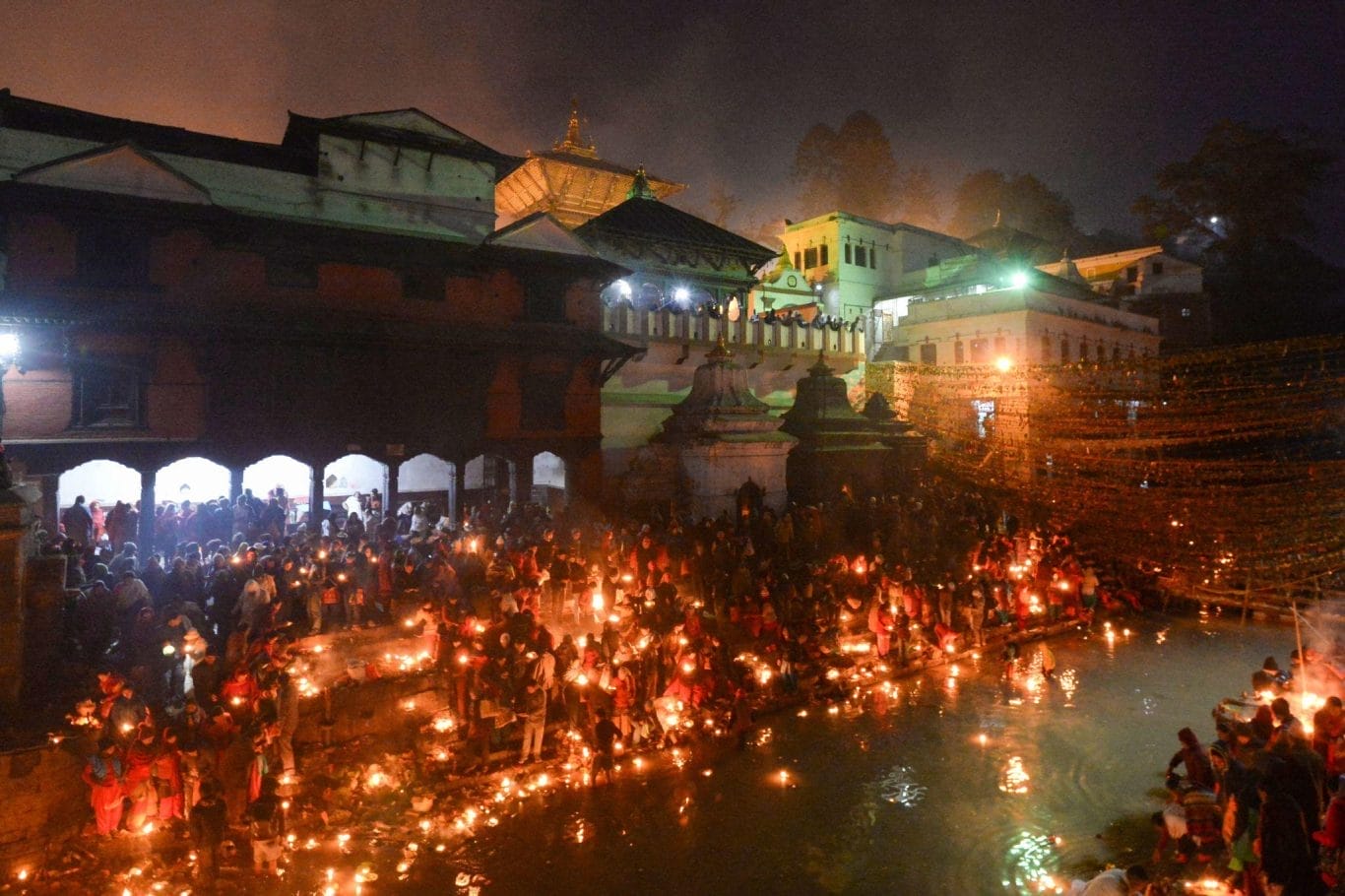
Major Hindu festivals transform Pashupatinath Temple into one of the most active pilgrimage centres in South Asia.
Maha Shivaratri
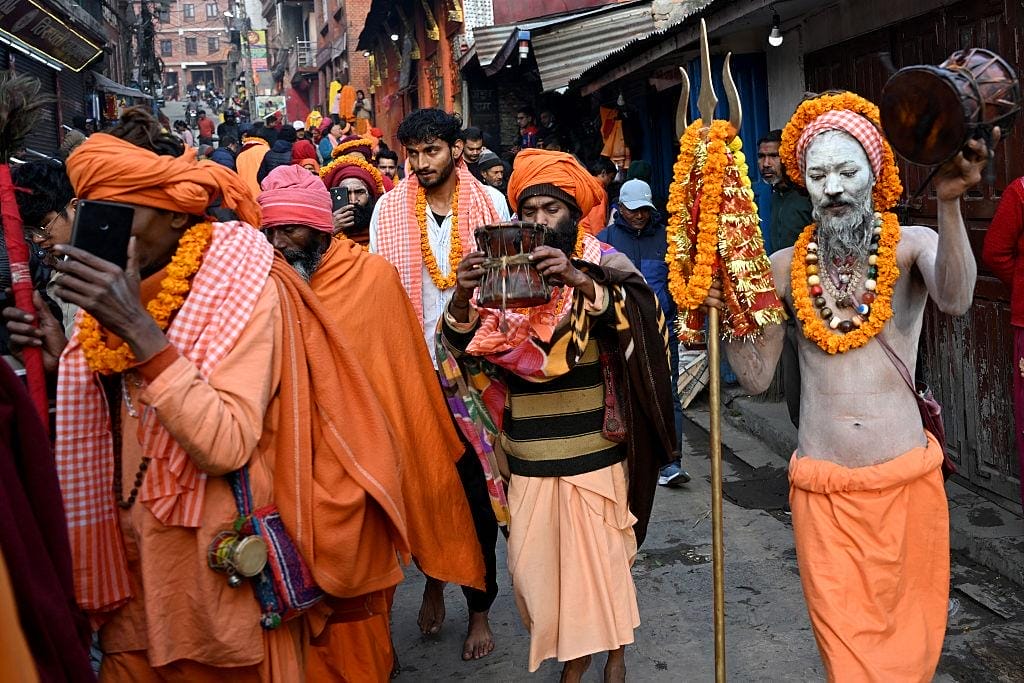
The most significant event at the temple.
During Maha Shivaratri, devotees:
- Fast throughout the day
- Chant Shiva mantras
- Light oil lamps and incense
- Attend night-long temple prayers
More than one million pilgrims visit Kathmandu during this festival.
Teej Festival
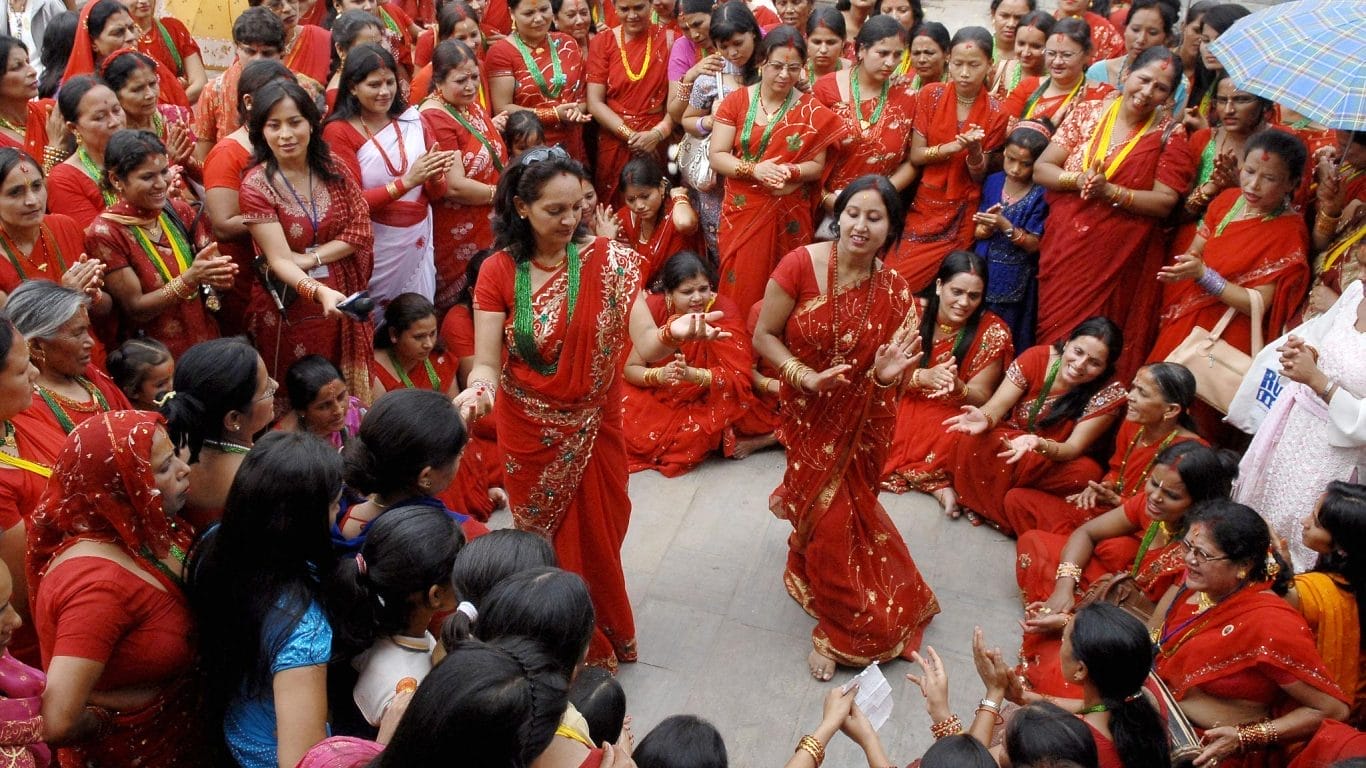
The Teej festival celebrates marital devotion and feminine spiritual practice.
Women visit the temple wearing red saris and traditional jewellery. They perform prayer rituals asking for marital well-being and family prosperity.
Music, dancing, and ritual fasting define the celebration.
These festivals maintain the temple’s role as a central gathering point for religious and cultural expression.
Understanding the Role of Cremation Ghats in Hindu Culture
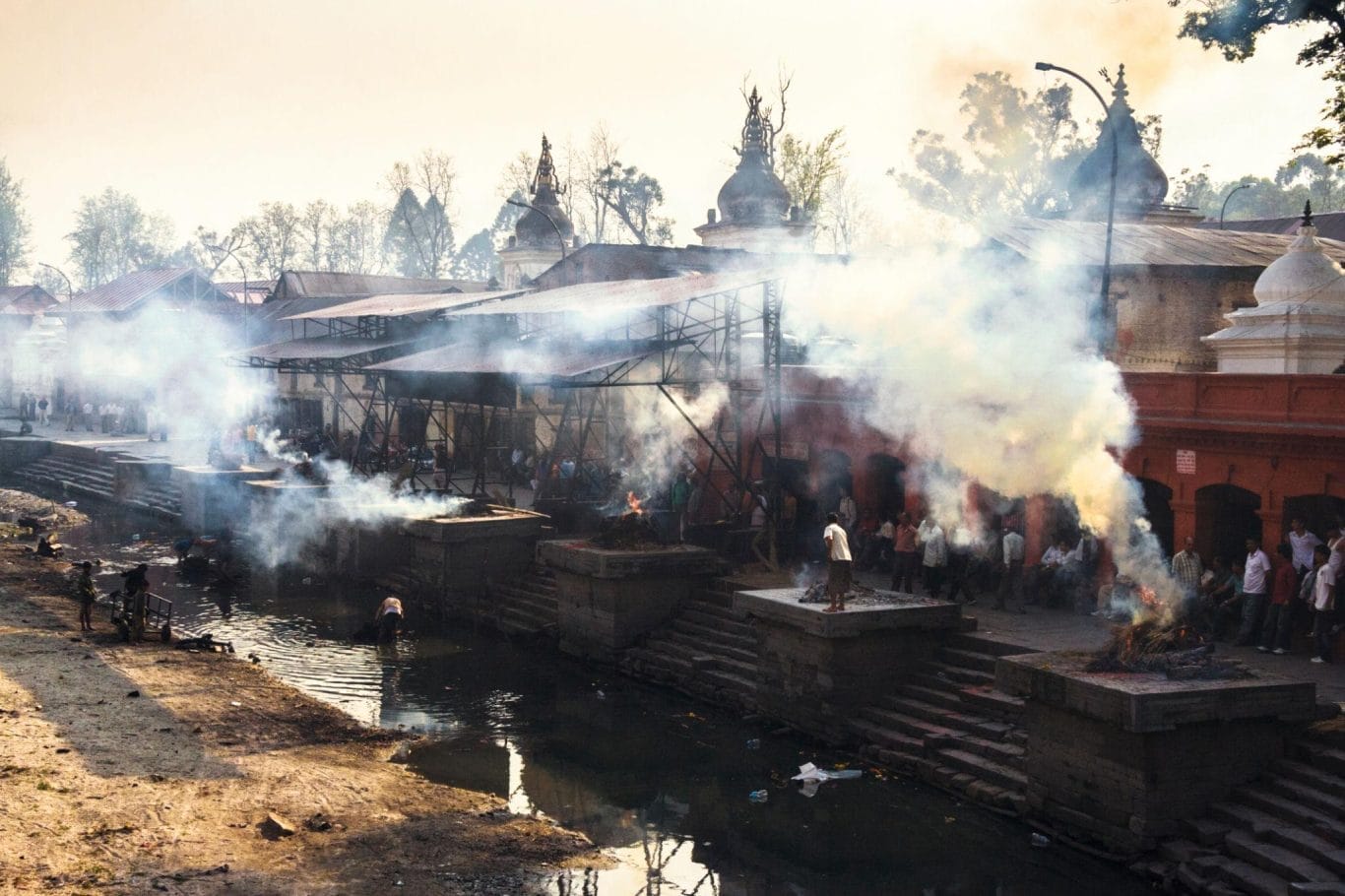
The cremation ghats at Pashupatinath Temple play an essential role in Hindu funeral practices.
Families bring deceased relatives to the Bagmati River ghats where priests conduct cremation rites.
The ritual follows a traditional process:
- Body purification using river water.
- Funeral prayers and chanting by priests.
- Cremation on wooden pyres beside the river.
Hindus believe cremation releases the soul from the body and prepares it for rebirth according to karma.
For visitors, these ceremonies reveal important spiritual beliefs about life, death, and reincarnation.
Visiting Pashupatinath: What You Need to Know

Travellers visiting Pashupatinath Temple in Kathmandu should prepare for an active religious environment.
Key visitor guidelines include:
Dress modestly
Clothing should cover shoulders and knees.
Respect ritual spaces
Certain areas restrict entry to Hindus only.
Photography rules
Photography is not allowed inside the main temple sanctum.
Arrive early
Morning visits allow visitors to observe daily prayer rituals before large crowds arrive.
The surrounding temple complex contains shrines, ghats, markets, and monasteries worth exploring during your visit.
Local Culture and Traditions Related to Pashupatinath

Pashupatinath functions as a religious and cultural gathering point for Nepalese communities.
Sacred Rituals and Practices
Common religious practices include:
- Flower and incense offerings to Lord Shiva
- Ritual bathing in the Bagmati River
- Priestly blessing ceremonies
These rituals connect individuals with ancestral traditions and spiritual beliefs.
Festivals and Celebrations
Seasonal festivals attract thousands of pilgrims and reinforce local religious identity.
Visitors witness:
- Religious music and drumming
- Processions of priests and devotees
- Ritual fasting and prayer ceremonies
These events combine religion, community participation, and cultural expression.
Pilgrimage Traditions and Significance
Pilgrims often visit Pashupatinath before travelling to other sacred destinations.
Common pilgrimage patterns include:
- Kathmandu temple visits before Kailash Mansarovar Yatra
- Ritual purification in the Bagmati River
- Offerings to Shiva before long spiritual journeys
These traditions position the temple as an important preparation point for Himalayan pilgrimages.
Wildlife and Nature Near Pashupatinath Temple

The environment surrounding Pashupatinath Temple contains small pockets of urban wildlife and natural scenery.
Visitors commonly observe:
- River birds and waterfowl
- Monkeys around temple courtyards
- Vegetation along the Bagmati River
These natural elements soften the dense urban environment of Kathmandu and provide quiet observation areas near the temple complex.
Nearby Attractions to Discover After Your Visit


Travellers often combine a visit to Pashupatinath Temple with nearby Kathmandu attractions.
Popular options include:
- Boudhanath Stupa
One of the largest Buddhist stupas in the world and a centre of Tibetan Buddhist culture. - Swayambhunath Stupa (Monkey Temple)
A hilltop religious complex offering panoramic views of Kathmandu Valley. - Local handicraft markets
Shops near the temple sell prayer beads, metal statues, textiles, and religious artefacts.
These locations provide additional insight into Nepal’s religious diversity and traditional craftsmanship.
Personal Experiences at Pashupatinath Temple
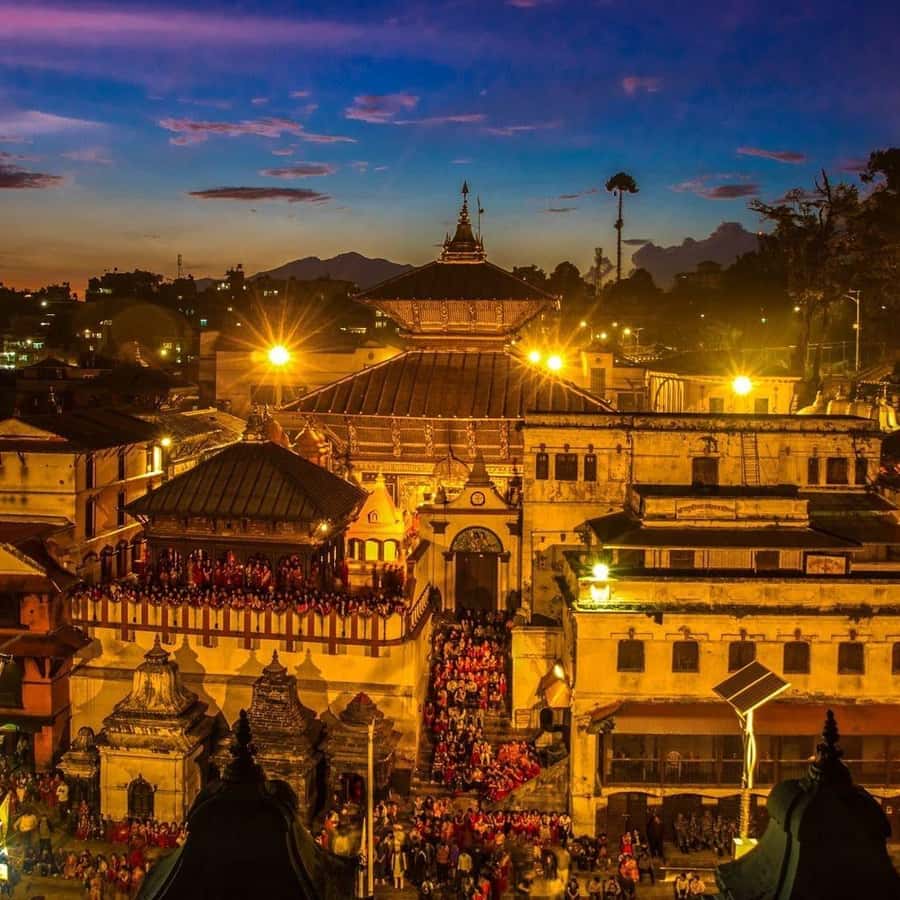


Visitors often describe Pashupatinath Temple as one of the most intense spiritual environments in Kathmandu.
The combination of prayer rituals, temple bells, chanting priests, and funeral ceremonies creates a setting that encourages reflection.
Travellers observe daily life rituals rarely visible in other religious sites.
Some come to pray. Others come to learn. Many leave with a deeper understanding of Hindu beliefs about devotion, life cycles, and spiritual responsibility.
The temple remains active from early morning to late evening, allowing visitors to experience multiple layers of religious practice, cultural tradition, and community life within a single sacred complex.