
Muktinath temple is one of the most sacred, religious and spiritual sites located in the lap of the Himalayas. It is nestled at an altitude of 3,710m above sea level in the Mustang district and is one of the revered sites by both Hindu and Buddhist pilgrims.
Yearly, numbers of local and international tourists visit the holy site for religious devotion, spiritual enlightenment, and to witness the natural landscape and beauty of the region. While flights are the quick route to visit the Muktinath temple, many tourists or pilgrims visit the holy site via road. If you are travelling to the holy religious site by road, the journey will be full of immersive and scenic experiences.
This blog provides information about the routes to Muktinath from Kathmandu by road. The religious importance and specialties of Muktinath, along with the permit requirement to visit the holy site, are also explained.
Why Is Muktinath Special?
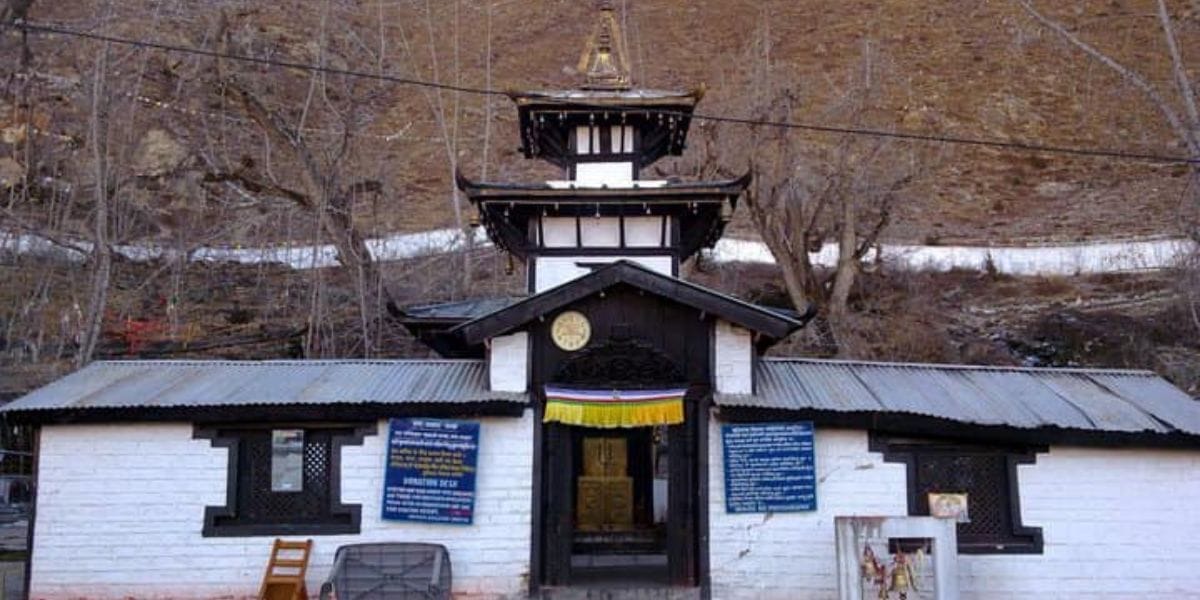
Muktinath(मुक्तिनाथ) refers to the “lord of liberation” and is one of the revered Hindu and Buddhist religious sites that represent the strong religious and cultural harmony of Nepal. Hindu pilgrims regard the temple as Lord Vishnu, while Buddhists worship the temple as Avalokitesvara, a Buddhist deity. It is one of the holy sites located at a high altitude just below the foot of the legendary Throng La Pass. Some of the key highlights of the Muktinath temples are:
- Eternal Flame: Inside the temple complex, there is a burning eternal flame that is believed to have been burning continuously for centuries. The eternal flame symbolizes the fire element and is equally revered by Hindus and Buddhists, symbolizing purity, enlightenment, and religious rebirth.
- 108 sacred water spouts: The sacred 108 water spouts are the most significant aspects of the temple complex. It is believed that they purify the person of sin if the person takes a dip in 108 such spouts and brings him or her near the state of liberation.
- Panoramic Himalaya views: The temple offers panoramic views of the Annapurna, Dhaulagiri, and Nilgiri mountain ranges. Being part of the well-known Annapurna circuit, pilgrims and even trekkers climb up to the holy site and witness the beauty of incredible gorges, rivers, and rural villages that encircle the location.
- Culture: As the temple is near the Tibetan plateau, you can experience the unique blend of Nepalese Hindu tradition with Tibetan Buddhist traditions. There, you can witness the coexisting Hindu temples and shrines along with Buddhist stupas, chortens, prayer wheels, and monasteries.
Religious Importance of Muktinath
Muktinath holds great religious significance for both Hinduism and Buddhism. Hindus regard it as one of the 108 Divya Desams dedicated to lord Vishnu. Meanwhile, Buddhists worship the sacred place as the residence of Avalokiteśvara. They also relate the place to Padmasambhava, who is said to have meditated here.
There is a local belief that worshipping the Muktinath temple helps in attaining liberation from the cycle of birth and death. Many pilgrims visit the sacred place with offerings and perform the rituals and prayers in the temple. Pilgrims take a bath in sacred 108 water spouts and holy ponds with the belief of purifying their souls.
Muktinath is not just a site with religious importance, but it is also a place that symbolizes Nepal’s religious harmony. The religious harmony makes Muktinath a revered destination for both Hindu and Buddhist devotees from Nepal, India, and all over the world.
How to Reach Muktinath From Kathmandu By Road
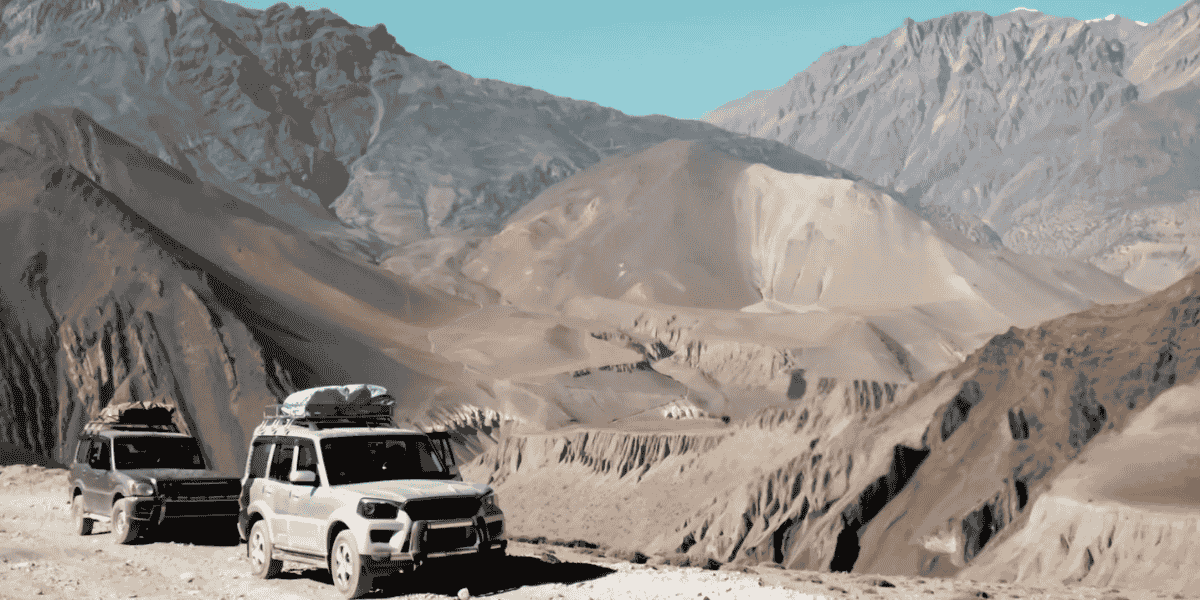
The road trip to Muktinath from Kathmandu is adventurous, thrilling, and full of experience. You can experience a deeper connection with local villages, culture, and people by road journey. The detailed information regarding the road journey is provided below:
1) Kathmandu to Pokhara
The journey begins from Kathmandu, where you will drive through the Prithvi Highway to reach Pokhara. It takes around 6-7 hours to cover approximately 200 km to reach Pokhara. The scenic journey goes alongside the rushing Trishuli and Marshyangdi rivers, where you get a beautiful view of nearby villages, hills, and towns. This journey can be covered through a tourist bus, a private jeep, or a car.
2) Pokhara to Jomsom
From Pokhara, the road to Jomsom is adventurous as you can witness rugged mountains, a view of the Himalayas, and a beautiful view of hills throughout the way. The distance from Pokhara to Jomsom is around 160 Km and can take up to 8-10 hours by 4WD jeep. Expect bumpy and narrow offroads, a view of cascading waterfalls and deep river valleys, and traditional villages along the way. From Pokhara, you will pass through Beni, Tatopani, Ghasa, and Marpha to reach Jomsom.
3) Jomsom to Muktinath
The distance from Jomsom to Muktinath is around 20 kilometers and takes 1.5-2 hours by Jeep. In the short distance trip, you quickly gain elevation as the roads are steep. The road from Jomsom passes alongside the Kaligandaki River and Kagbeni. You can get a scenic view of the high-altitude desert, deep river gorges, and the snow-capped mountains through the journey.
4) Permit Requirement
If you are travelling to the Muktinath temple, permits are required as the temple lies within the territory of the Annapurna Conservation Area. Travel permission to enter a region, referred to as the Annapurna Conservation Area Permit or ACAP, should be obtained from Nepal Tourism Board offices at Pokhara and Kathmandu.
The ACAP fees cost approximately NPR 3000 to foreigners, NPR 1000 to citizens from SAARC countries, and NPR 100 to citizens from Nepal. Apart from the ACAP permit, visitors are also required to carry their identity details or their passports.
ACAP’s major role is encouraging sustainable tourism, biodiversity, and culture preservation. Not having a permit to present at a checkpoint may lead to fines, penalties, or even denial of entry.
How To Prepare For A Muktinath Trip
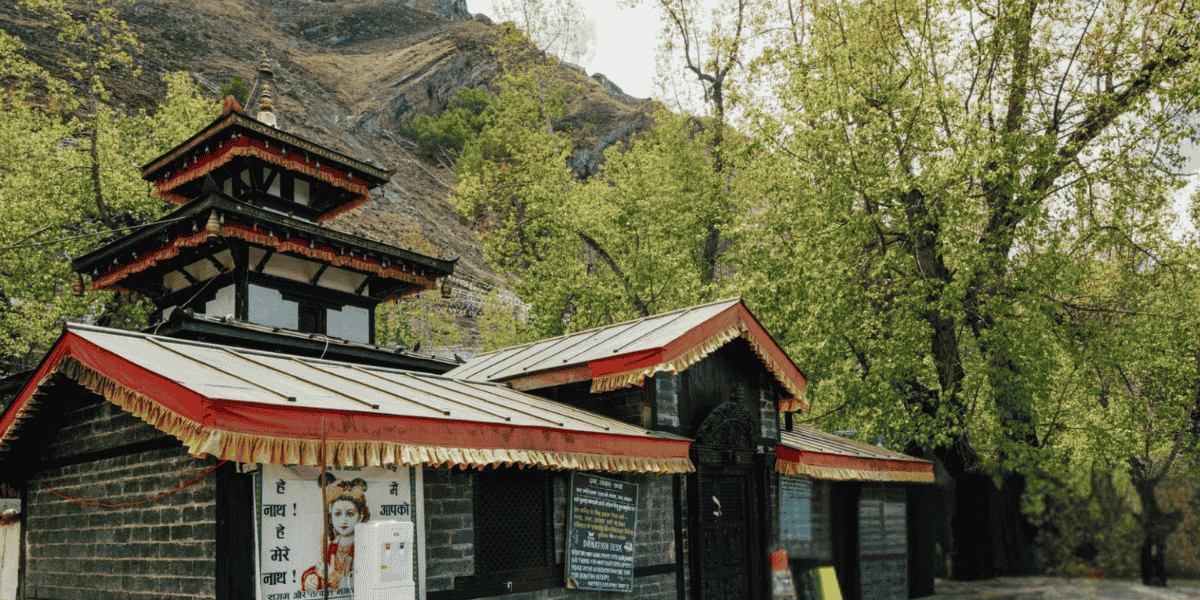
For a successful trip to the sacred Muktinath Temple, you need proper planning and consideration of factors such as its altitude, geography, climate, and cultural aspects. Some of the key things to consider while preparing trip to a sacred temple in the Himalaya are:
- Road condition: While the roads from Kathmandu to Pokhara are fair and considerably easy, the road condition may gradually get difficult and bumpy from Pokhara to Muktinath. Due to the landscape of the region, roads are steep, narrow, and mostly off-road, causing difficulty for beginners on the route.
- Season: Prepare for travelling during spring (March to May) and Autumn (September-November). This season offers clear weather, climate, and road conditions. Meanwhile, avoid visiting during monsoon (June to August) as roads are slippery with a chance of landslides, and in winter (December to February) since temperatures are cold with a chance of heavy snowfall.
- Packing lists: Ensure you pack warm clothes, high-altitude medications, permits, and basic requirements during the trip. The Muktinath region is cold even in summer due to a significant drop in temperature in the morning and evening.
- Accommodation and meals: While you can get basic amenities in cities like Kathmandu and Pokhara, facilities may be limited as you cross Beni. In places like Jomsom, you can get basic accommodation and Dhal Bhat, a traditional Nepalese meal.
- Travel with a Trusted Operator: For a memorable journey full of experience, choose trusted travel operators like Kailash Vision Trek. Kailash Vision Trek offers comfortable transportation, accommodation, permits, and guidance to enhance your experience and memory on your visit to the sacred temple.
Why Choose Kailash Vision Trek For The Muktinath trip
Kailash Vision Trek is one of the best tour operators in Nepal, having years of expertise in organizing road trips focusing on safety, comfort, and a spiritual journey.
From tour operation to logistics and permit arrangements, Kailash Vision Trek gives proper guidelines and assistance for you. They also offer customized pilgrimage packages to cater to your needs and budget requirements.
In addition, they also provide knowledgeable guides with deep expertise about the religious and cultural importance of Muktinath. Kailash Vision Trek ensures your tour is not just spiritual and religious, but also memorable and full of knowledge. Visit Kailash Vision Trek for the best travel service to Muktinath to get more information.