
Introduction
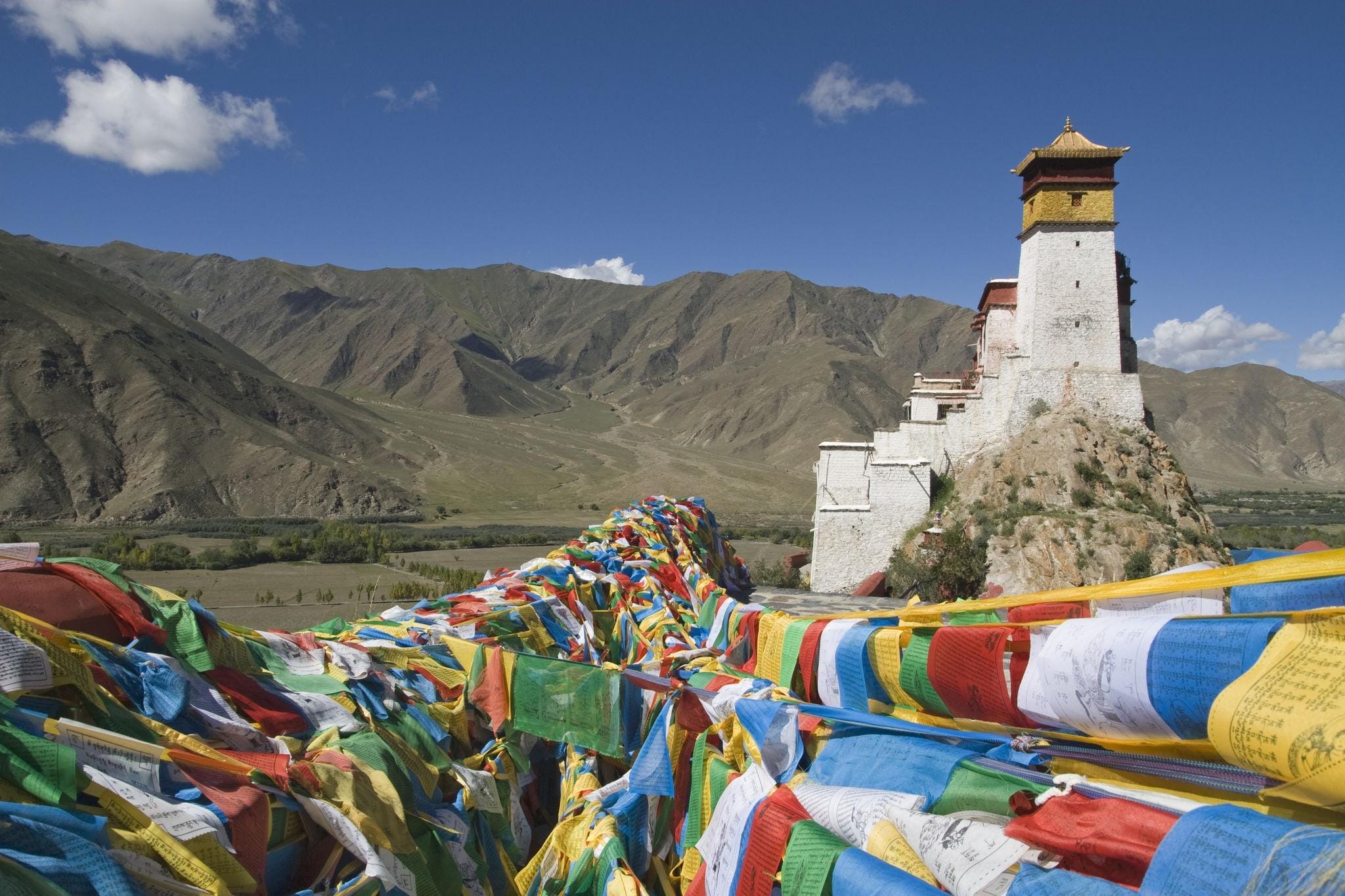
Darche sits at 4,670 metres above sea level, positioned within the greater Mount Kailash–Mansarovar trekking region of western Tibet. The location serves as a high-altitude trekking zone, acclimatisation stop, and staging point for longer Himalayan expeditions. Trekkers reach Darche through remote alpine valleys, glacial moraine fields, and exposed ridgelines, where thin air, variable weather, and long walking distances demand careful preparation.
Routes around Darche accommodate a wide range of trekking abilities. Short 3-day circuits suit travellers building acclimatisation before higher passes. Extended 7–10 day expeditions attract experienced trekkers who want longer routes across high mountain terrain.
Preparation matters. Travellers must pack technical trekking equipment, train for sustained elevation gain, and monitor altitude symptoms carefully. When approached with the right planning, Darche offers a high-altitude trekking environment that rewards endurance, preparation, and route awareness.
Key Takeaways
- Darche elevation: 4,670 metres above sea level within the western Tibetan plateau.
- Trekking suitability: Routes support beginner, intermediate, and advanced trekkers.
- Route duration: Options range from 3-day acclimatisation treks to 10-day alpine routes.
- Essential equipment: Durable backpack, technical footwear, moisture-control clothing, and trekking poles.
- Fitness preparation: Trekkers should train cardiovascular capacity, leg strength, and altitude tolerance.
- Weather conditions: Rapid temperature drops, strong winds, and sudden storms require layered gear and contingency planning.
The Allure of Darche: Why it captivates adventurers
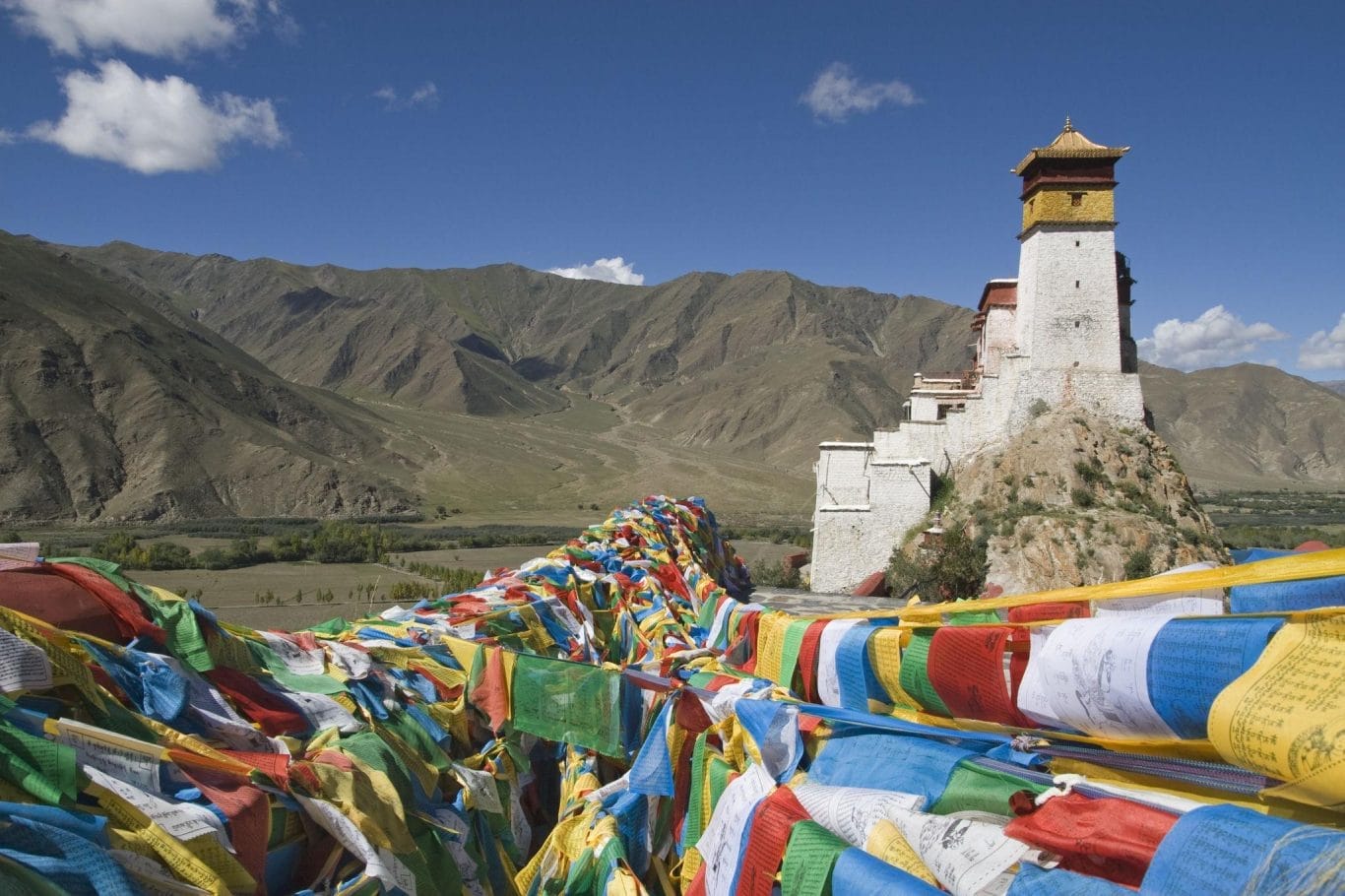
Darche attracts trekkers who want remote Himalayan terrain without the congestion found on more commercial trekking routes. The area presents steep rock slopes, glacier-fed valleys, alpine meadows, and exposed ridgelines, all shaped by the high-altitude climate of the Tibetan plateau.
Trekkers who enter the Darche region must navigate unstable terrain, manage altitude exposure, and maintain disciplined pacing. The environment rewards preparation. It also demands respect. Route conditions change quickly as temperature, wind, and snow levels shift across the plateau.
The reward is clear. Trekkers reach wide alpine viewpoints, quiet trails, and uninterrupted Himalayan landscapes. Fewer crowds. Longer horizons. A trekking environment where the journey itself becomes the objective.
Darche appeals to travellers who want serious trekking conditions rather than sightseeing trails. The terrain tests endurance. The altitude tests discipline. The result is a trekking experience that feels earned.
Best Trekking routes for all skill levels to conquer Darche
Darche supports multiple trekking routes designed for progressive difficulty levels. Choosing the correct route affects safety, pacing, and acclimatisation success.
Trekkers should review route conditions, carry accurate maps, and follow established trail etiquette. Hiring experienced guides also reduces navigation risks in remote terrain.
| Skill Level | Route Description |
|---|---|
| Beginner | 3-day trekking route through moderate inclines and open alpine valleys. Suitable for travellers building altitude tolerance. |
| Intermediate | 5-day route with mixed terrain including rocky paths, ridge crossings, and navigation through remote valleys. |
| Advanced | 7-day expedition route with sustained climbs, technical sections, and longer distances between camps. |
| Expert | 10-day alpine expedition involving high passes, glacier travel, and mountaineering techniques. |
Each route demands discipline, pacing, and altitude awareness. Trekkers should monitor hydration, energy levels, and weather forecasts throughout the journey.
Key gear and fitness tips for trekking Darche
Trekkers preparing for Darche must select equipment designed for high-altitude trekking conditions. Poor gear choices quickly become safety risks at 4,670 metres.
Essential trekking equipment includes:
- High-capacity trekking backpack (40–60L)
- Waterproof trekking boots with strong ankle support
- Moisture-control base layers and thermal insulation layers
- Weatherproof outer shell jacket and trousers
- Trekking poles for balance on uneven terrain
- UV protection including sunglasses and sunscreen
- Hydration system and water purification tablets
Physical preparation also determines trekking success. Trekkers should train endurance and climbing strength before arrival.
Recommended training includes:
- Cardiovascular training: running, cycling, or hiking with elevation gain
- Leg strength training: squats, lunges, and stair climbing
- Core stability exercises: planks and balance drills
- Acclimatisation planning: gradual altitude exposure during the trek
Proper training helps trekkers maintain steady pacing, reduce fatigue, and respond safely to altitude changes.
Experience the rich local culture around Darche

Trekking through the Darche region also introduces travellers to traditional Tibetan communities and cultural practices shaped by life at high altitude.
Local villages maintain long-standing traditions in agriculture, livestock herding, and handmade crafts. Trekkers often encounter yak caravans transporting goods across mountain routes, as well as farmers managing small terraced fields during the short growing season.
Cultural encounters frequently include:
- Traditional Tibetan clothing and handicrafts
- Local food preparation using barley, yak butter, and regional vegetables
- Prayer flags, small monasteries, and religious shrines along trekking paths
Seasonal cultural events also occur throughout the region. These gatherings feature traditional music, ceremonial dance, and communal meals, allowing travellers to observe how local communities maintain cultural continuity despite the harsh climate.
Respectful interaction with residents supports sustainable trekking tourism and cultural preservation.
What to expect: Weather and conditions at Darche
Darche’s weather patterns reflect the high-altitude climate of the Tibetan plateau. Trekkers must prepare for rapid weather shifts and significant temperature swings within a single day.
Seasonal patterns influence trekking conditions:
- Late spring and summer: Mild daytime temperatures with occasional storms and strong afternoon winds.
- Autumn: Clear skies, cooler temperatures, and stable trekking conditions.
- Winter: Severe cold, heavy snowfall, and limited route accessibility.
Altitude also affects daily temperature ranges. Even during summer, night temperatures can fall below freezing. Strong winds increase exposure risk, particularly on ridgelines and open plateaus.
Trekkers should pack layered clothing systems, insulated gloves, and windproof outerwear. Weather awareness and route planning remain essential for safe travel in the Darche region.