
Introduction
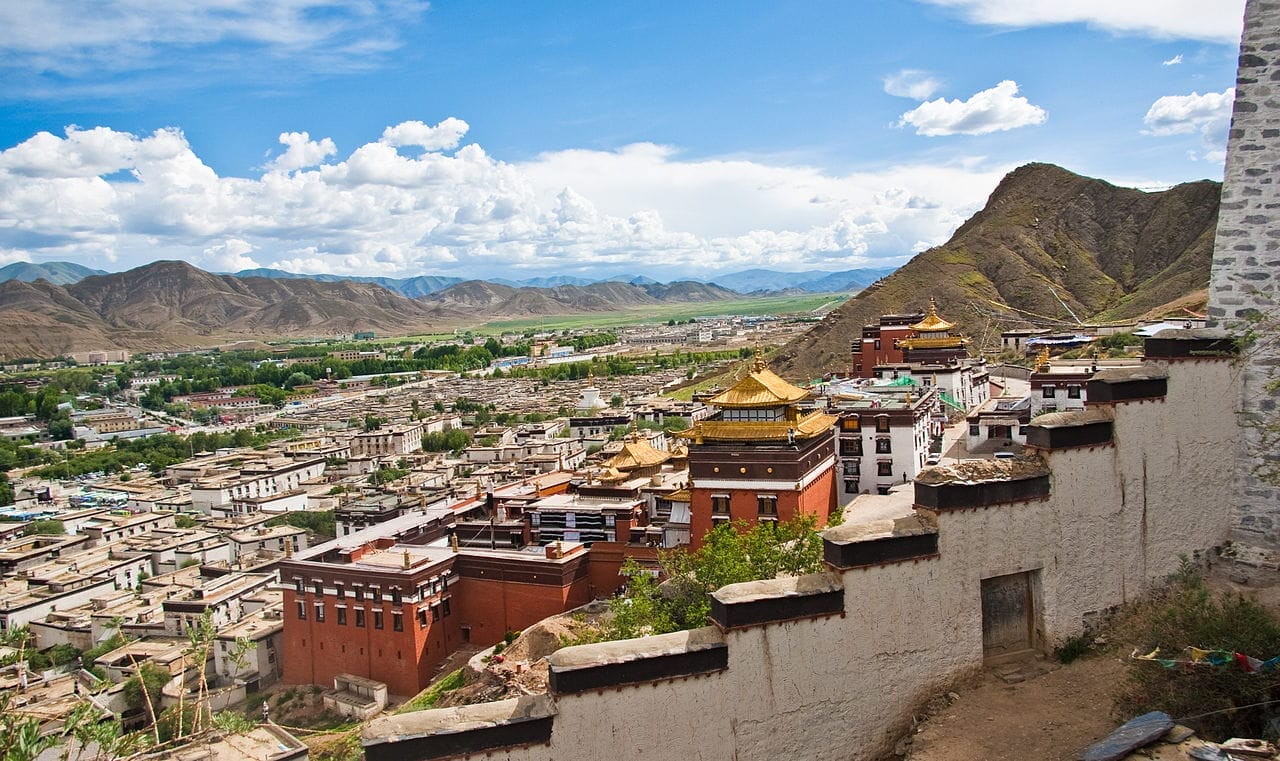
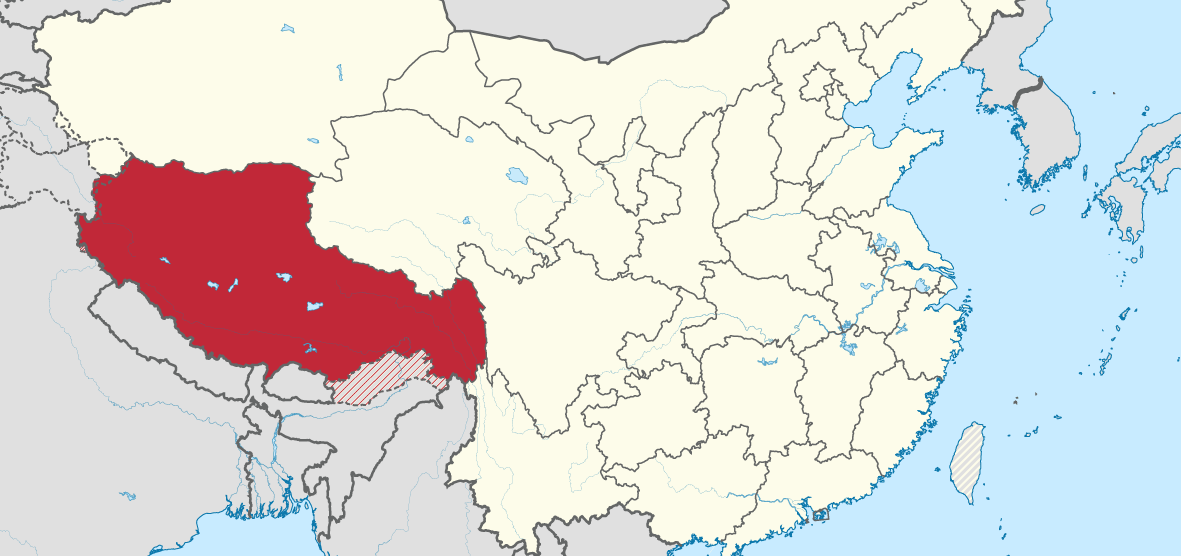
The Tibet Autonomous Region (TAR), also called Xizang Autonomous Region, operates as a province-level region within the China. It sits in western Asia and connects to neighbouring countries including India, Nepal, and Bhutan along a sensitive border zone shaped by treaties, convention agreements, and long-standing political debate.
This region carries national importance for the Chinese government and sits at the centre of international discussion around autonomy, rights, civil liberties, and religious freedom. It also holds deep cultural value for Tibetan people and the wider Tibetan diaspora, with strong links to exile communities and the Central Tibetan Administration.
For commercial operators, researchers, and travellers, this is a controlled environment. You must follow permit systems, align with administration rules, and plan around altitude, access, and political sensitivity.
Geography and Environment

The Tibetan Plateau defines Tibet’s physical environment. It is the largest and highest plateau on Earth, with an average elevation above sea level exceeding 4,000 metres. The region stretches across central, eastern, western, northern, and southern zones, forming one of the most extreme environments in the world.
Key geographic assets:
- Himalayas including Mount Everest
- Yarlung Tsangpo River and major river systems such as the Indus River and Salween River
- Sacred lakes: Lake Manasarovar, Namtso, Lake Rakshastal, Lake Paiku, and Lake Puma Yumco
The terrain includes glaciers, tundra, alpine grasslands, and valleys such as the Yarlung Tsangpo Grand Canyon. Areas like Amdo, Kham, and Tsang remain key cultural regions. Wildlife includes yak, wild yak, and alpine fauna adapted to harsh conditions.
Operational considerations:
- Assess altitude risk and oxygen levels
- Plan travel windows (January and February winter closures; March transition; July and August peak access)
- Calculate distances in kilometres across remote terrain
- Prepare for limited infrastructure in rural counties and villages
This is a high-risk environment. You must plan carefully and act with precision.
Administrative Structure and Capital
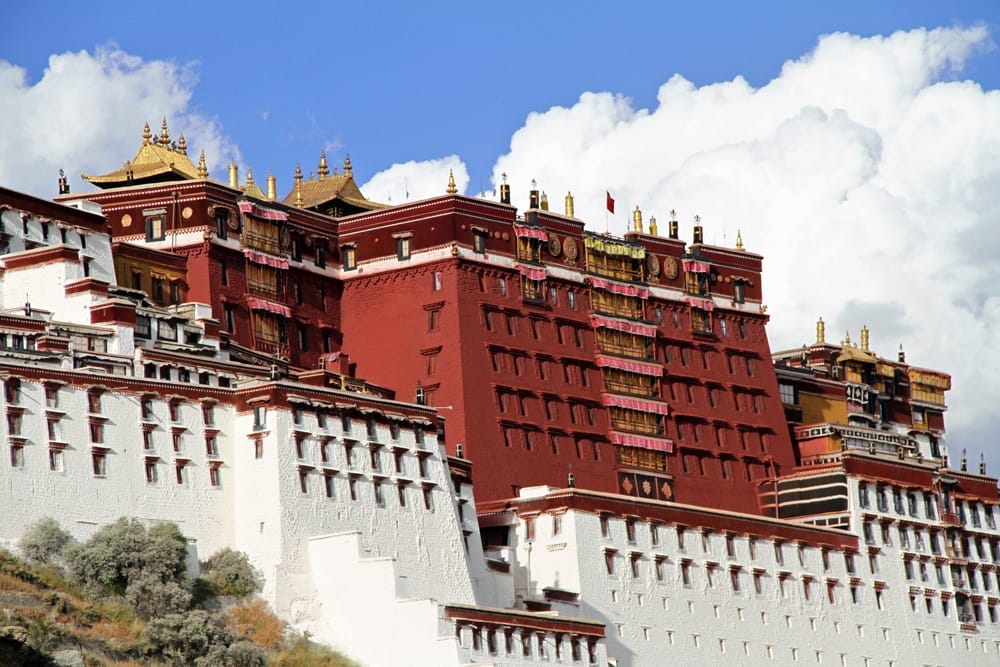
The capital, Lhasa, functions as the main administrative city, economic centre, and cultural hub. The Tibet Autonomous Region divides into prefectures, autonomous prefectures, counties, and autonomous counties.
Key administrative regions:
- Shigatse
- Nyingchi
- Qamdo
- Nagqu, Ngari, and Chamdo prefecture-level regions
The system includes Tibetan autonomous prefectures and autonomous counties such as Mili Tibetan Autonomous County. Governance operates under central control from Beijing, supported by local administration, standing committee structures, and regional policy enforcement.
Execution requirements:
- Apply for permits through authorised channels
- Work with registered tour operators or agencies
- Follow administration, law, and policy requirements
This structure controls access. It also defines how business, tourism, and research operate across the region.
Historical Context
Tibet’s history spans centuries of imperial rule, regional power shifts, and international engagement. This history directly impacts current governance, sovereignty debate, and policy enforcement.
Key historical milestones:
- Tibetan Empire under Songtsen Gampo
- Mongol influence and rule during the Yuan dynasty, including figures like Kublai Khan
- Qing dynasty rule under the Qing dynasty and imperial administration
- Agreements such as the Seventeen Point Agreement
- The 1959 Tibetan uprising and exile of the Dalai Lama
Additional events include:
- British expedition to Tibet and Convention Between Great Britain and China Respecting Tibet
- Tibet–Ladakh–Mughal war and Sino-Tibetan War
- Mongol invasions of Tibet
- Qinghai–Tibet War and later unrest including 1987–1989 Tibetan unrest and 2008 Tibetan unrest
For operators and content creators:
- Acknowledge historical sensitivity
- Reference credible sources (Oxford, Encyclopaedia Britannica, Stanford University Press)
- Avoid inaccurate claims about independence, annexation, or sovereignty
History defines the present-day political status of Tibet AR.
Population and Ethnic Groups
The Tibet Autonomous Region contains a mix of ethnic groups, with ethnic Tibetan people forming the majority population.
Key groups include:
- Tibetan people
- Han Chinese
- Hui people
- Menba, Lhoba, Salar
- Bai people, Yi people, Dongxiang, Miao, Nakhi, Mosuo, Pumi, Bonan
Population distribution includes urban centres like Lhasa and Shigatse, alongside rural villages and nomadic pastoralist communities.
Execution strategy for services:
- Deliver multilingual communication (Standard Tibetan, Chinese-language, English where required)
- Adapt services for nomads, rural counties, and remote prefectures
- Respect cultural identity and ethnic group dynamics
This region requires localised delivery, not generic service models.
Religion and Culture
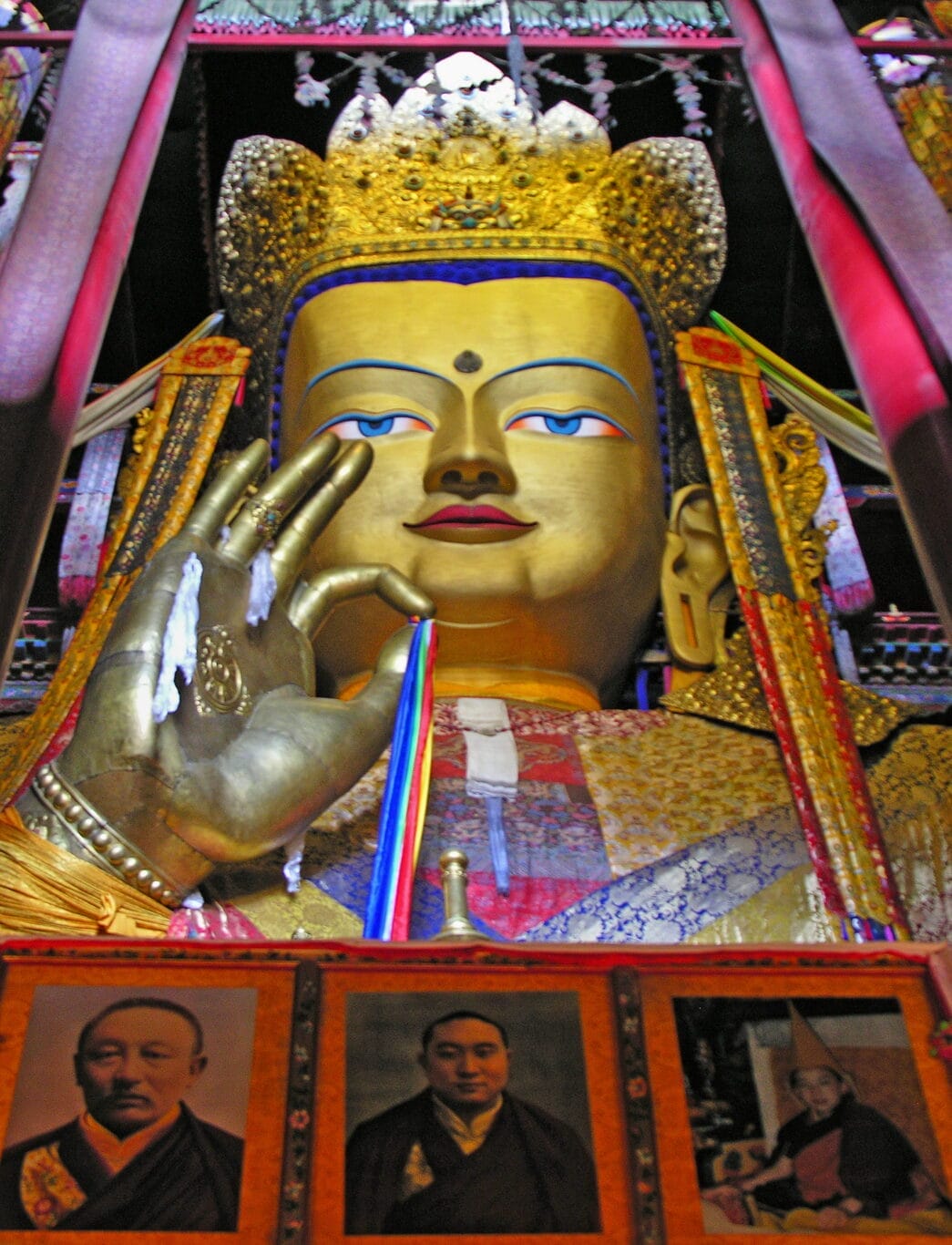
Religion in Tibet shapes daily life, governance interactions, and tourism demand. The dominant system is Tibetan Buddhism, supported by the indigenous religion Bon, alongside Islam and Christianity.
Core cultural assets:
- Potala Palace
- Jokhang Temple
- Drepung Monastery and other monasteries
- Thangka art, sand mandala, wall murals, Tibetan architecture
Spiritual leadership includes the Dalai Lama and Panchen Lama. Cultural systems include reincarnation traditions, priest-patron relationships, and monastic education systems.
Operational guidance:
- Follow monastery rules
- Respect religious rituals and dress codes
- Avoid disruption to religious practice
Cultural respect is mandatory. It protects access and reputation.
Economy and Infrastructure
Tibet’s economy combines traditional livelihoods with structured government investment and infrastructure expansion.
Core sectors:
- Agriculture and animal husbandry (yak, sheep, nomadic systems)
- Tourism and hotel sector
- Trade with neighbouring regions and countries
- Yartsa Gunbu (Cordyceps sinensis) commodity market
Key infrastructure:
- Qinghai–Tibet Railway (Qingzang Railway) linking Xining, Golmud, Tanggula, and Lhasa
- Highway systems connecting Sichuan, Qinghai Province, and Yunnan Province
- Airports including Gonggar Airport
Investment areas include hydropower projects such as Medog Hydropower Station and broader Trans-Himalayan connectivity networks.
For investors:
- Assess GDP trends and cash income growth
- Evaluate service sector expansion
- Plan logistics based on altitude and terrain
Infrastructure defines access. Investment follows access.
Tourism and Travel

Tourism in Tibet targets spiritual travellers, cultural explorers, and high-altitude expedition groups.
Key destinations:
- Lhasa city
- Mount Everest Base Camp
- Sacred lakes and Mount Kailash pilgrimage routes
Access requirements:
- Tibet Travel Permit
- Chinese visa issued under the People’s Republic of China
- Approved tour operator coordination
Transport includes railway, road, and air via Gonggar Airport.
Execution checklist:
- Book through authorised agencies
- Confirm permits before travel
- Schedule acclimatisation stops
- Prepare for restricted zones and inspection points
Tourism in Tibet operates under strict control. Structure your journey or you will not enter.
Political and Social Considerations
The Tibet Autonomous Region operates under the Chinese Communist Party (CCP) and the State Council of the People’s Republic of China.
Key considerations:
- Political status and sovereignty debate
- Civil liberties and human rights discussions
- Religious freedom and monastery oversight
- Media, press, and information control
- Topics such as sinicization of Tibet and population transfer
International organisations including the United Nations, along with global media such as The New York Times and BBC News, continue to report on developments.
For organisations:
- Follow legal frameworks
- Use verified sources
- Avoid unsupported claims
This is a regulated political environment. Work within it or expect restrictions.
Final Perspective
The Tibet Autonomous Region stands as one of the most complex regions in Asia. It combines high-altitude geography, structured governance, cultural depth, and ongoing international attention.
It delivers:
- Defined tourism demand across spiritual and expedition markets
- Strategic positioning within western China and Central Asia
- Deep cultural and religious significance
To operate effectively:
- Plan with precision
- Comply with regulations
- Respect Tibetan culture and religion
- Build structured, informed strategies
Tibet rewards preparation. It requires discipline. It delivers opportunity for those who follow the system and execute with clarity.