
Introduction
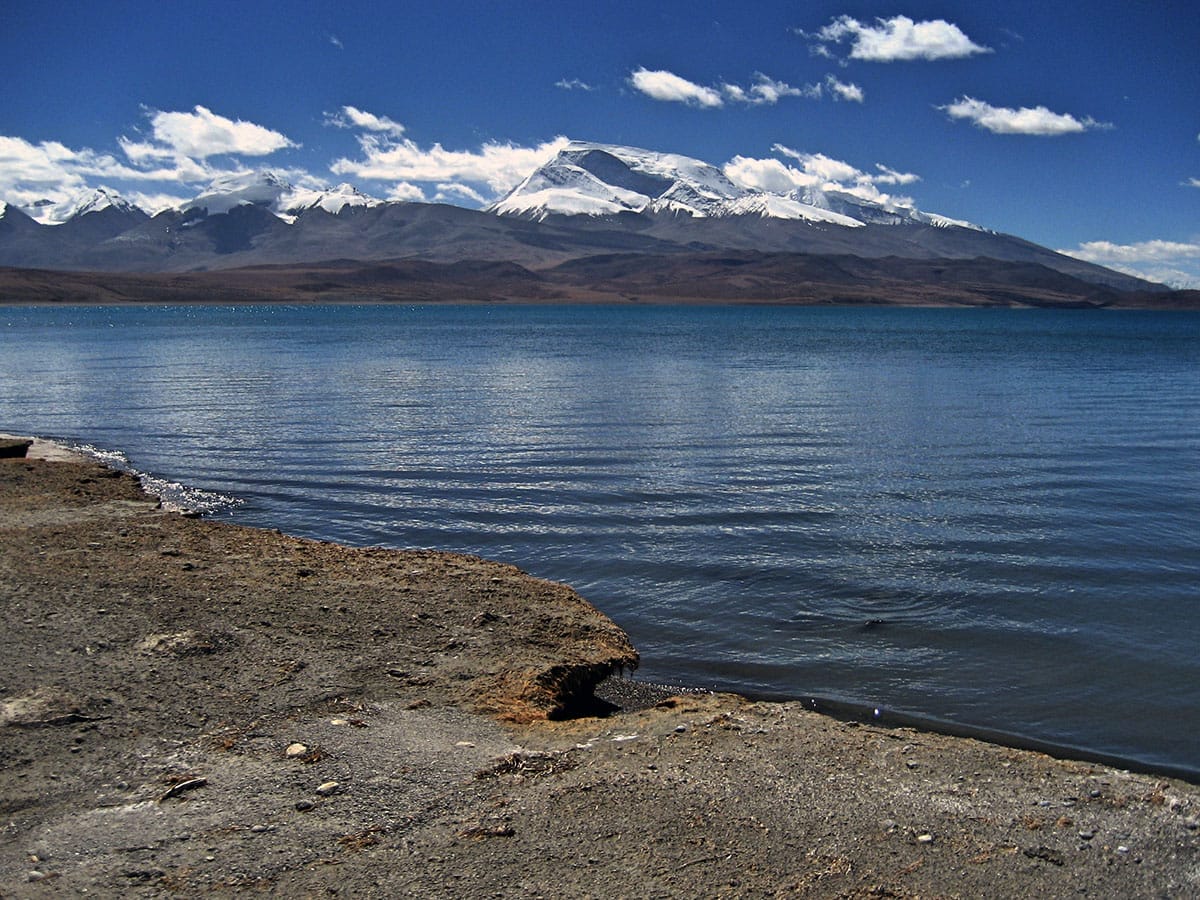
Rakshas Tal, also called Rakshastal Lake, Lhanag Tso, Lhanag Tso, Lagngar Cho, or Lagngar, is a dark lake situated at high altitude in the Tibet Autonomous Region. It sits beside Lake Mansarovar, also written as Manasarovar, and near Mount Kailash within the wider Kailash Manasarovar region.
This lake is widely known as the ghost lake, the lake of demons, and a symbol of darkness. It forms a defined stop within the Kailash Mansarovar Yatra and broader Tibet travel, Tourism, Trekking, and Nepal–India pilgrimage routes.
For planners, operators, and visitors, Rakshas Tal supports viewing, interpretation, and cultural context. It does not support ritual use. That distinction matters.
Geography Overview (Geography, Nature, Lakes)
- Region: Western Tibet, Ngari Prefecture
- Altitude: ~4,575 meters above sea level (above sea level / sea level)
- Lake Type: Salt lake (salt lakes system)
- Shape: Crescent-shaped, a crescent shape, shape crescent
- Nearby Lakes: Lake Manasarovar (pure water, life-supporting), Rakshastal Lake (lifeless)
- Connection: A short channel, Ganga Chhu river, connects the two lakes
- Islands: Small islands and one notable island visible depending on water levels
Rakshas Tal is situated at high altitude. It is a pond-like inland sea in structure but classified as a lake. There are no rivers flowing out. It is part of a closed basin system.
Measurable Contrast (Rakshas Tal vs Lake Manasarovar)
| Attribute | Rakshas Tal (Rakshastal Lake) | Lake Manasarovar |
|---|---|---|
| Water Type | Salt, considered poison-like | Pure water, freshwater |
| Shape | Crescent-shaped | Round |
| Aquatic Life | No fish, no aquatic animals | Fish, aquatic animals present |
| Symbolism | Darkness, negativity, materialism | Purity, divinity, nature |
| Use | Observational only | Rituals, prayers, offerings |
| Condition | Lifeless surroundings | Life-supporting |
There are no fish. There are no animals in the water. The lake appears dark. The surroundings are lifeless surroundings.
Mythology and Spiritual Meaning (Hindu Mythology, Buddhism, Legends)
Rakshas Tal is deeply related to Hindu mythology, Buddhism, and Tibetan culture. It is linked to Ravana, also written as Ravan, the demon king of Lanka.
Core Beliefs and Legends:
- According to Sanskrit texts and local stories, Ravan performed meditation, devotion, and sacrifice at this lake to please Lord Shiva
- He is said to have meditated for days and nights, even offering his heads in devotion
- The lake is considered to hold poison energy, darkness, and negativity
- Tibetans, Buddhists, and Hindus consider it inauspicious for prayers
This is why:
- Visitors do not perform rituals
- There are no offerings made here
- Pilgrims do not drink or touch the water
Symbolism and Meaning:
- Rakshas Tal = materialism, darkness, evil, demon energy
- Lake Manasarovar = purity, divinity, nature, balance
This creates a clear duality of good and evil, materialism vs purity, and darkness vs brightness.
It is a symbol. A symbol of contrast. A symbol of balance.
Natural Characteristics (Nature, Lifeless, Dark Lake)
- Water Colour: Dark blue to black (dark lake)
- Salinity: High salt concentration
- Aquatic Life: There are no fish, no aquatic animals
- Wind: Strong, cold winds
- Terrain: Rocky, dry, barren pastures
- Wildlife Nearby: Yaks seen in surrounding pastures, not in the lake
The lake looks still. It looks calm. But it is not life-supporting.
The lifeless surroundings and lack of biological activity support its reputation as a ghost lake.
In winter, conditions become harsher. Ice forms. Access becomes limited.
Rakshas Tal in the Kailash Manasarovar Yatra (Tourism, Trekking, Visiting)

Within the Kailash Mansarovar Yatra, Rakshas Tal is a planned stop.
How it fits into your trip:
- Situated on the route between Nepal and Tibet entry points
- Reached before or after Lake Manasarovar
- Included in most Kailash Manasarovar packages
What visitors and trekkers do:
- Stop for a short duration
- View the lake and its crescent shape
- Take photos
- Listen to guides explain myths, legends, and meaning
No rituals. No bathing. No offerings.
For operators:
- This stop adds cultural depth
- It supports storytelling
- It strengthens itinerary value
For visitors:
- It prepares the mind before reaching sacred sites
- It explains the balance between good and evil
Symbolic Contrast: Rakshas Tal vs Manasarovar (Duality, Balance, Symbol)
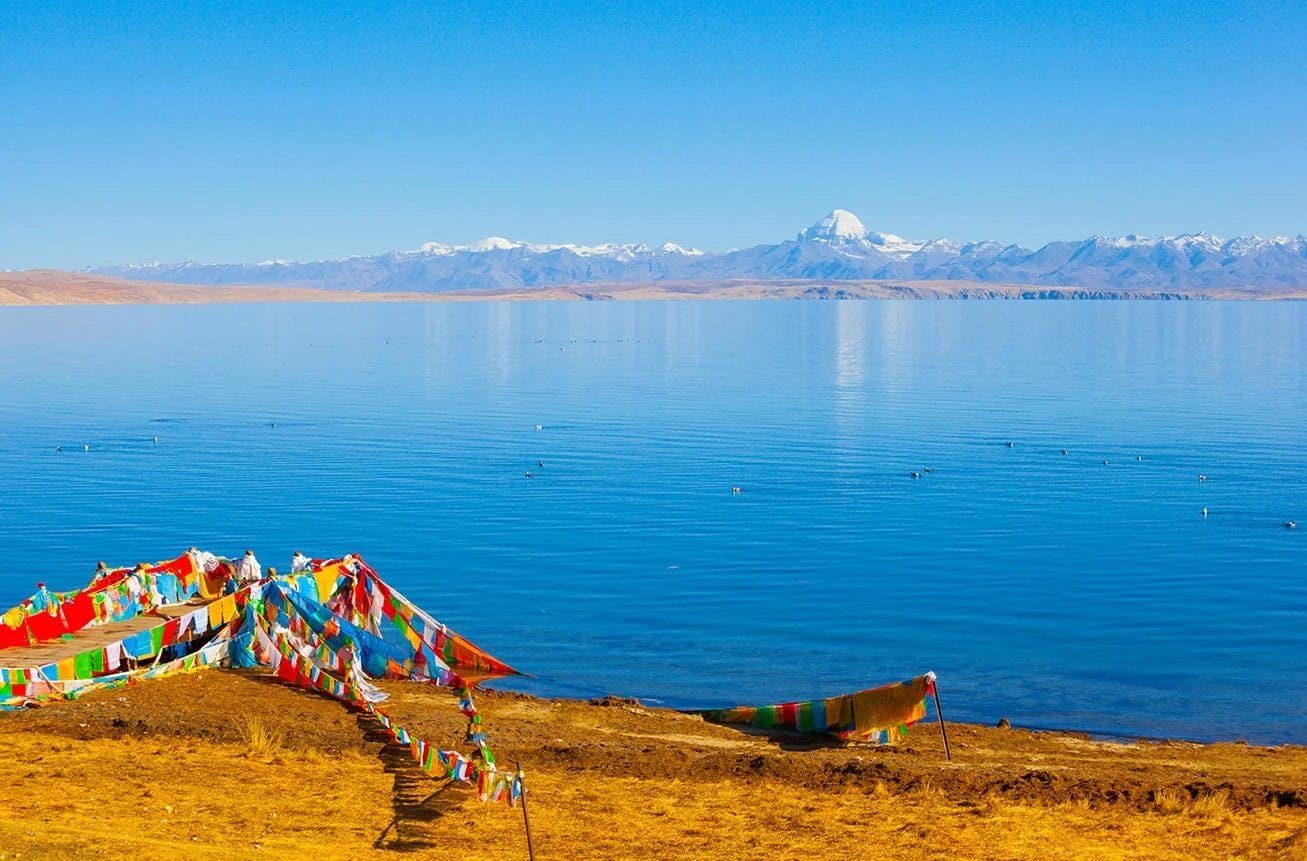
Rakshas Tal and Lake Mansarovar sit side by side near Mount Kailash.
- Rakshas Tal is a symbol of darkness, negativity, materialism
- Manasarovar is a symbol of purity, divinity, life, and nature
This is the duality:
- Good and evil
- Pure and poison
- Brightness and darkness
Pilgrims first see. Then think. Then understand.
This sequence matters.
Travel Considerations (Tibet Travel, Nepal, India, Planning)
- Best time to visit: May to September (best time)
- Winter: Harsh, limited access
- Altitude: High, above sea level; acclimatisation required
- Permits: Required for Tibet travel via Nepal or India
- Access: Guided tours only
- Distance: Short drive from Manasarovar
Before visiting:
- Plan in advance
- Confirm itinerary stops
- Check weather and seasonal conditions
Visitors should:
- Limit time at the lake
- Avoid water contact
- Follow guide instructions
Final Insight (Meaning, Symbol, Experience)
Rakshas Tal is not used for rituals. It is used for understanding.
It shows what is considered impure. It prepares visitors for what is pure at Lake Mansarovar.
It is known as:
- Ghost lake
- Dark lake
- Lake of demons
It is part of the journey. A short stop. A strong message.
If you build or promote Kailash Manasarovar Yatra, include Rakshas Tal with clear positioning:
- Viewing destination
- Cultural explanation
- No ritual activity
This approach supports clarity. It sets expectations. It delivers a complete, structured pilgrimage experience across Tibet, Nepal, and India.