
Introduction
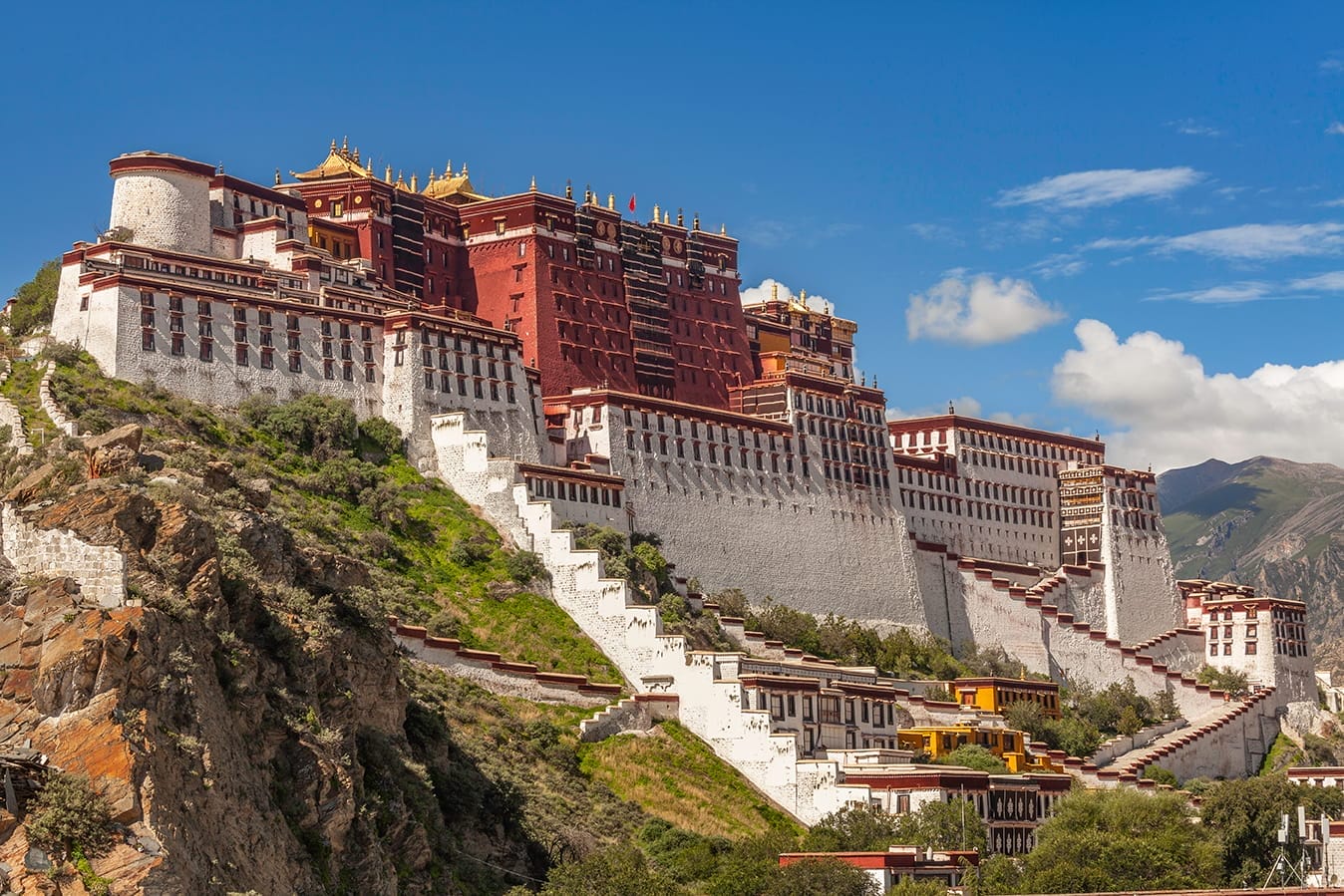
Lhasa, the spiritual heart of Tibet, captivates you with its rich history and vibrant culture. You can explore iconic landmarks like the majestic Potala Palace and the sacred Jokhang Temple, both steeped in Buddhist tradition. As you stroll through bustling markets, you’ll discover unique handicrafts and indulge in mouthwatering Tibetan dishes like momos and buttery tea. Engage with friendly locals and embrace their customs for a richer experience. There’s so much more to uncover about this enchanting city.
Key Takeaways
- Lhasa is the spiritual heart of Tibet, rich in cultural significance influenced by Tibetan Buddhism and ancient traditions.
- Major landmarks include the Potala Palace, a UNESCO World Heritage Site, and Jokhang Temple, central to Tibetan Buddhist practices.
- Vibrant markets feature Tibetan handicrafts, and engaging in local customs enhances the cultural experience.
- Best months to visit are April to October, with pleasant temperatures and lively festivals like Saga Dawa and Shoton.
- To avoid altitude sickness, acclimatize slowly and stay hydrated, while respecting local customs is crucial for meaningful interactions.
Discovering Lhasa: A brief history
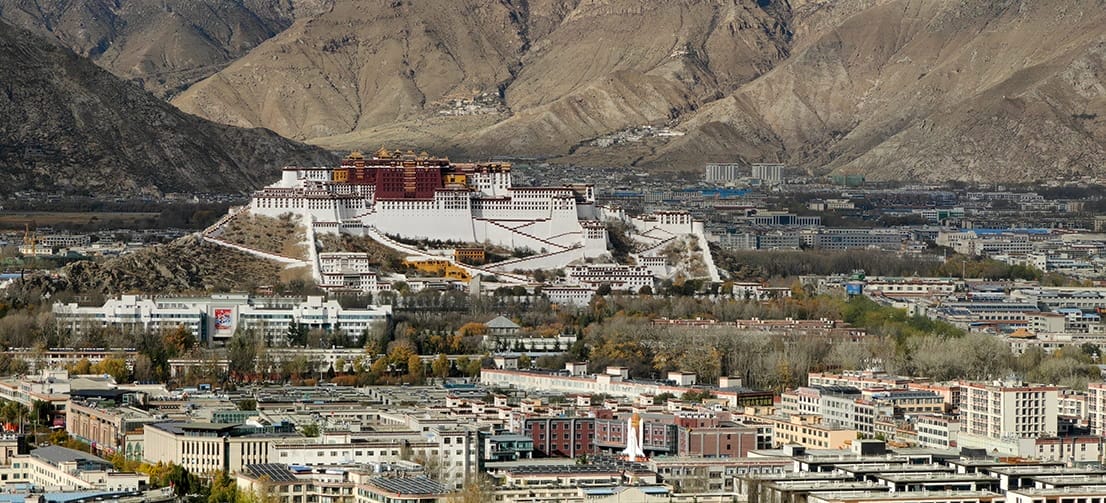
Lhasa, often referred to as the spiritual heart of Tibet, has a rich history that invites exploration. As you wander through its streets, you’ll encounter the profound cultural significance of Tibetan Buddhism, evident in its ancient traditions and vibrant practices. Historical landmarks, like the Jokhang Temple, tell tales of local legends and the city’s political history. Pilgrimage routes wind through the heart of Lhasa, each step echoing the devotion of countless pilgrims. The architectural styles, combining intricate designs and spiritual symbolism, reflect centuries of craftsmanship and belief. Embrace the freedom to discover how Lhasa’s essence intertwines with its past, offering a unique glimpse into a world shaped by faith, resilience, and the enduring spirit of its people.
Potala Palace: What you need to know
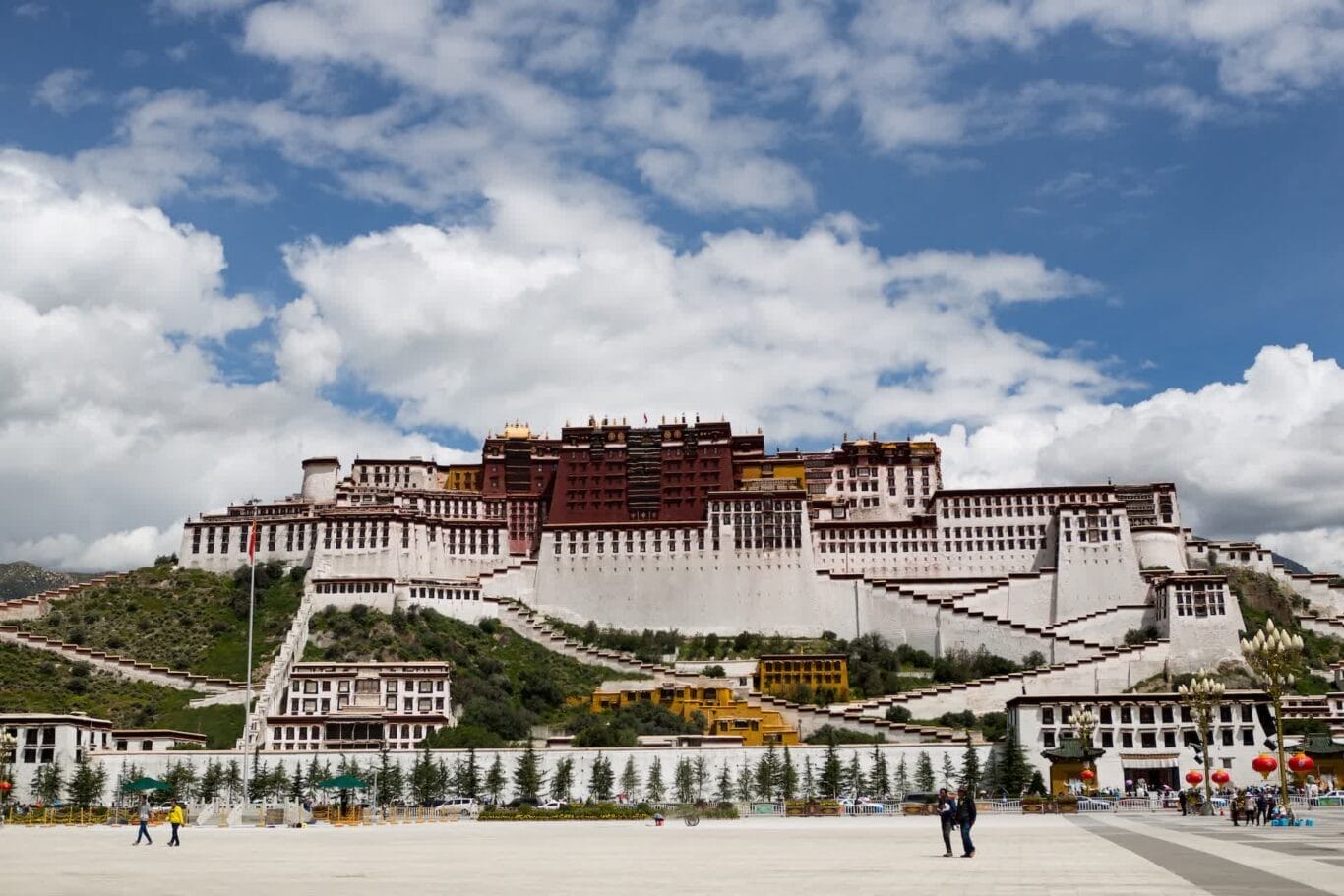
Nestled against the backdrop of the Himalayas, Potala Palace stands as an iconic symbol of Tibetan culture and spirituality. This architectural marvel, with its striking white and red structures, showcases a unique blend of Tibetan and Buddhist styles. As you explore its grand halls and intricate murals, you’ll feel the deep history that permeates the air. Originally built in the 7th century, Potala Palace served as the winter residence of the Dalai Lamas and played a significant role in Tibetan governance. Each corner reveals stories of resilience and faith, inviting you to connect with a rich heritage. Don’t miss the chance to experience this UNESCO World Heritage Site, where every stone whispers tales of freedom and devotion.
The spiritual heart: Jokhang Temple
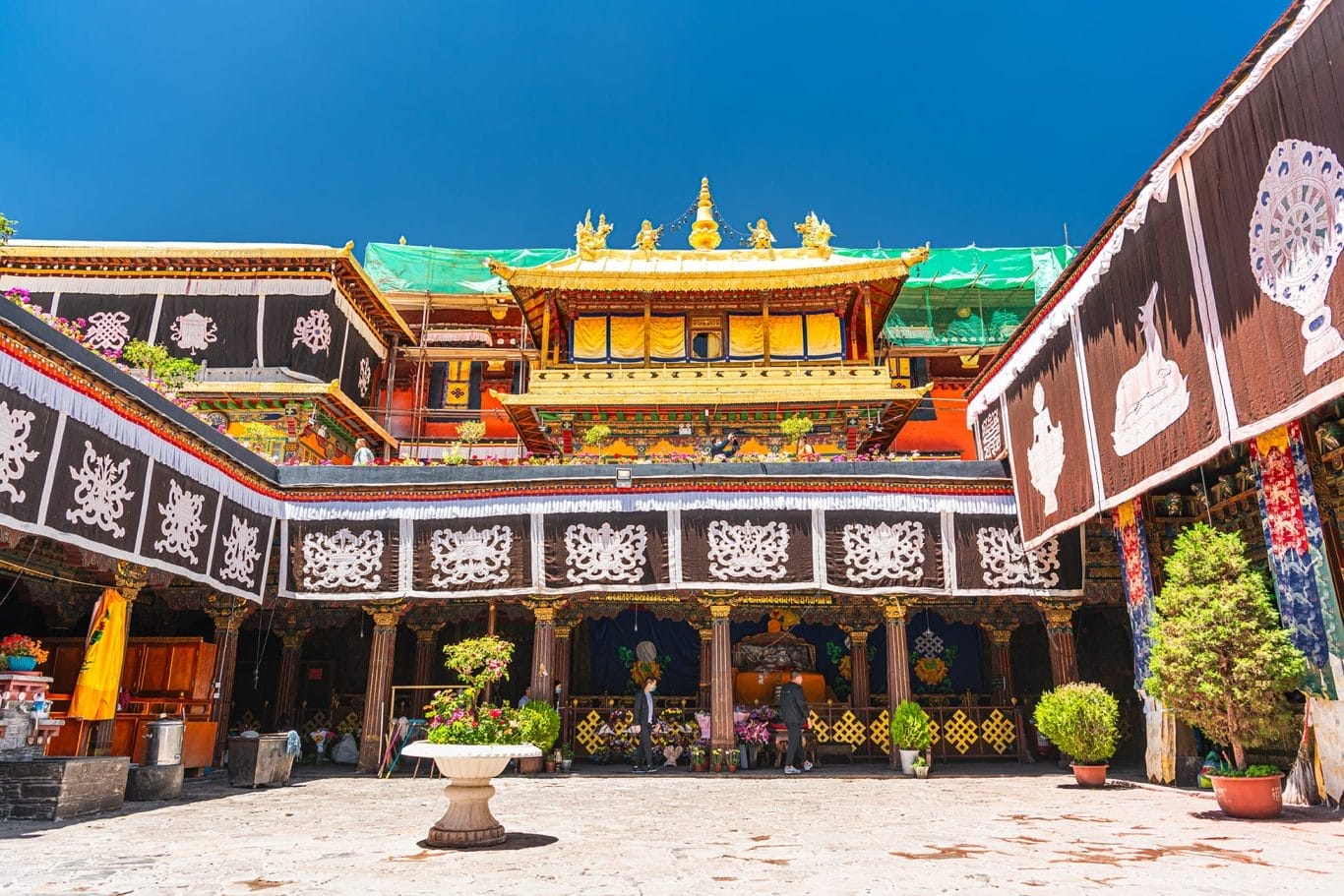
Considered the spiritual heart of Lhasa, Jokhang Temple draws pilgrims and visitors alike with its profound aura and historical significance. The stunning Jokhang architecture reflects the essence of Tibetan Buddhism, embodying sacred art and rich cultural heritage. As you explore the temple, you’ll sense the deep spiritual significance woven into its walls, a reflection of centuries of monastic life and ritual practices. The temple serves as a focal point for pilgrimage routes, where devotees seek enlightenment and connection.
| Aspect | Description |
|---|---|
| Jokhang Architecture | Blends Indian, Chinese, and Nepalese styles |
| Spiritual Significance | Central to Tibetan Buddhism |
| Ritual Practices | Daily prayers and offerings |
Immerse yourself in this sacred space, feeling the pulse of devotion.
Markets and traditions: Lhasa’s vibrant culture
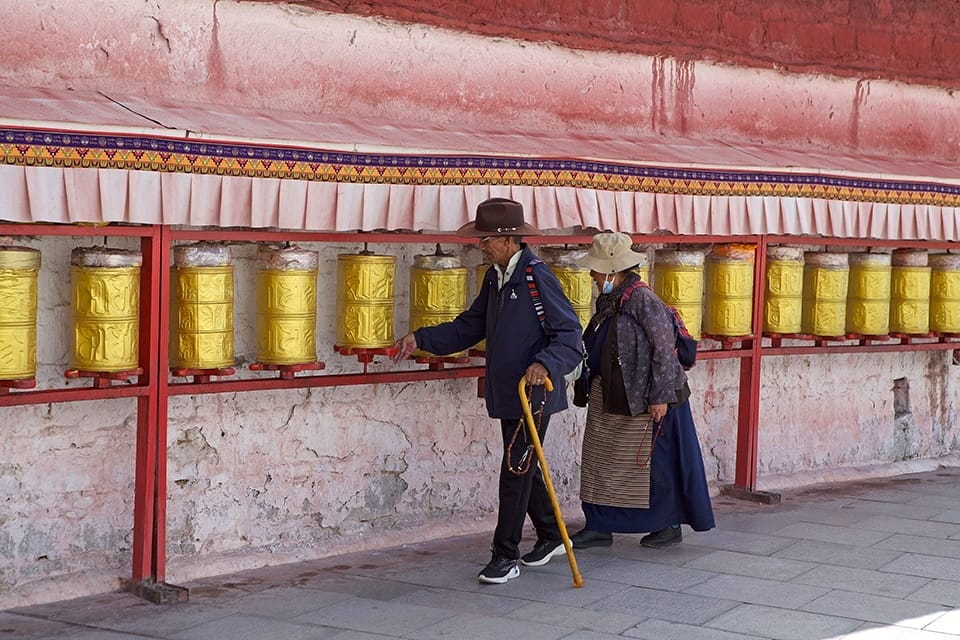
While wandering through Lhasa, you’ll discover a vibrant tapestry of markets and traditions that pulse with life and history. The bustling streets are filled with vendors showcasing exquisite Tibetan handicrafts—think intricate thangka paintings and handwoven textiles. Engage in market interactions, where friendly locals share stories and shopping tips on finding the best artisan products. Don’t miss local festivals, where cultural customs come alive, featuring traditional performances that captivate your spirit. Embrace the art of bargaining techniques; it’s part of the experience! Each stall offers a glimpse into the heart of Tibetan culture, inviting you to connect with its rich heritage. Soak it all in, and let the energy of Lhasa inspire your sense of freedom.
How to get around Lhasa like a local
Getting around Lhasa is an adventure in itself, and you’ll find plenty of local transportation options to make your journey smooth. From colorful tuk-tuks to city buses, each ride offers a glimpse into daily life. As you navigate the bustling streets, you’ll discover hidden gems and the vibrant energy that makes Lhasa truly special.
Local Transportation Options
Maneuvering Lhasa can be an adventure in itself, as the city offers a range of local transportation options that let you experience its vibrant culture firsthand. You’ve got plenty of choices to explore the city with ease:
- Bus Routes: Affordable and frequent, they connect you to key attractions.
- Bike Rentals: Perfect for those who want to soak in the scenery at their own pace.
- Taxi Services: Convenient for longer distances or late-night outings.
- Walking Tours: Immerse yourself in local life while discovering hidden gems.
Public transport is reliable, and ride-sharing apps make getting around a breeze. Don’t forget to check for travel passes, which can save you money. Accessibility options are available, ensuring everyone can explore Lhasa comfortably.
Navigating Lhasa Streets
Lhasa’s streets are a tapestry of vibrant culture and history, making it easy to feel like a local as you navigate through them. You’ll discover stunning street art and cultural landmarks that tell tales of ancient traditions and modern life. Keep an eye out for hidden gems tucked away in the alleys—these spots often showcase local festivals and traditional crafts.
| Feature | Description | Experience |
|---|---|---|
| Architectural Styles | Blend of Tibetan and modern styles | Stunning visuals |
| Neighborhood Vibes | Unique atmospheres in each area | Feel the local spirit |
| Urban Legends | Stories passed through generations | Adds mystery to your stroll |
Embrace the neighborhood vibes, and let the streets of Lhasa guide you to unforgettable experiences!
Tasting Lhasa: Must-try Tibetan dishes
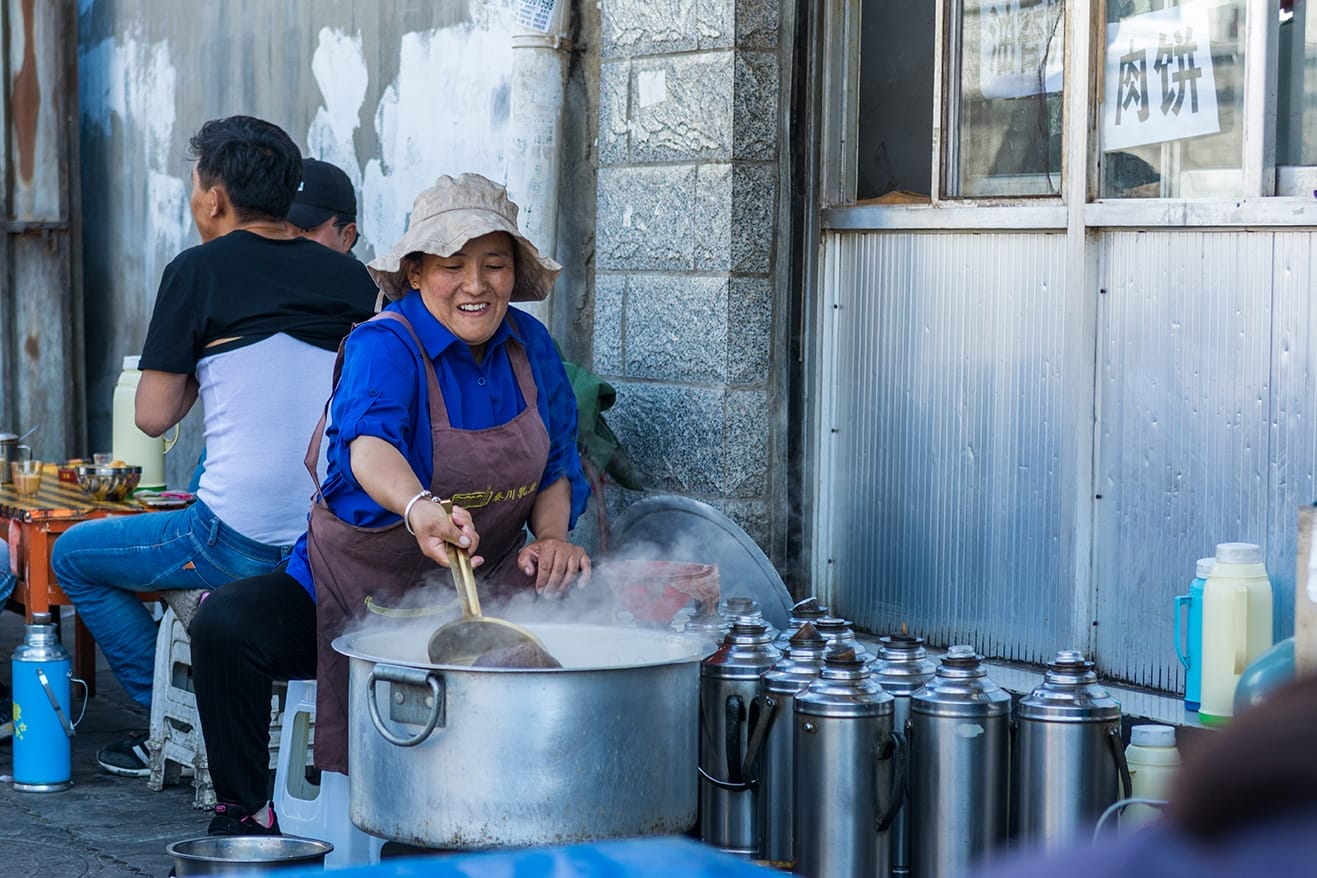
When you wander through Lhasa, your taste buds are in for a treat with iconic Tibetan delicacies waiting to be discovered. From hearty momos bursting with flavor to street food favorites that capture the essence of local culture, each bite tells a story. Get ready to savor a culinary adventure that’s as rich as the city itself!
Iconic Tibetan Delicacies
As you wander the vibrant streets of Lhasa, the tantalizing aromas of traditional Tibetan cuisine beckon you to explore its culinary treasures. You can’t miss the iconic dishes that reflect the rich culture and spirit of the region. Take a moment to indulge in:
- Tibetan dumplings (momos): These come in various delicious fillings, each bite bursting with flavor.
- Yak meat: Savory and hearty, it’s a staple you’ll want to savor.
- Barley beer: A revitalizing drink that complements your meal perfectly.
- Herbal tea: Sip this soothing brew to cleanse your palate.
Don’t forget to try traditional pastries and flavorful rice dishes seasoned with unique Tibetan spices. Each dish tells a story, inviting you to discover the essence of Tibet.
Street Food Favorites
Amidst the bustling streets of Lhasa, you’ll find an array of street food that captures the soul of Tibetan cuisine. Don’t miss the irresistible Tibetan dumplings, or momos, filled with flavorful meats or veggies, steaming hot and perfect for a quick bite. Street vendors line the food markets, offering local snacks like crunchy barley chips and sweet rice cakes that beckon with their inviting aromas. Pair these treats with a dollop of spicy sauces that ignite your taste buds, enhancing each mouthful. To wash it all down, indulge in traditional drinks like butter tea or sweet Tibetan yogurt. Each bite and sip tells a story, inviting you to embrace the vibrant essence of Lhasa’s culinary scene.
Local etiquette in Lhasa: Essential tips
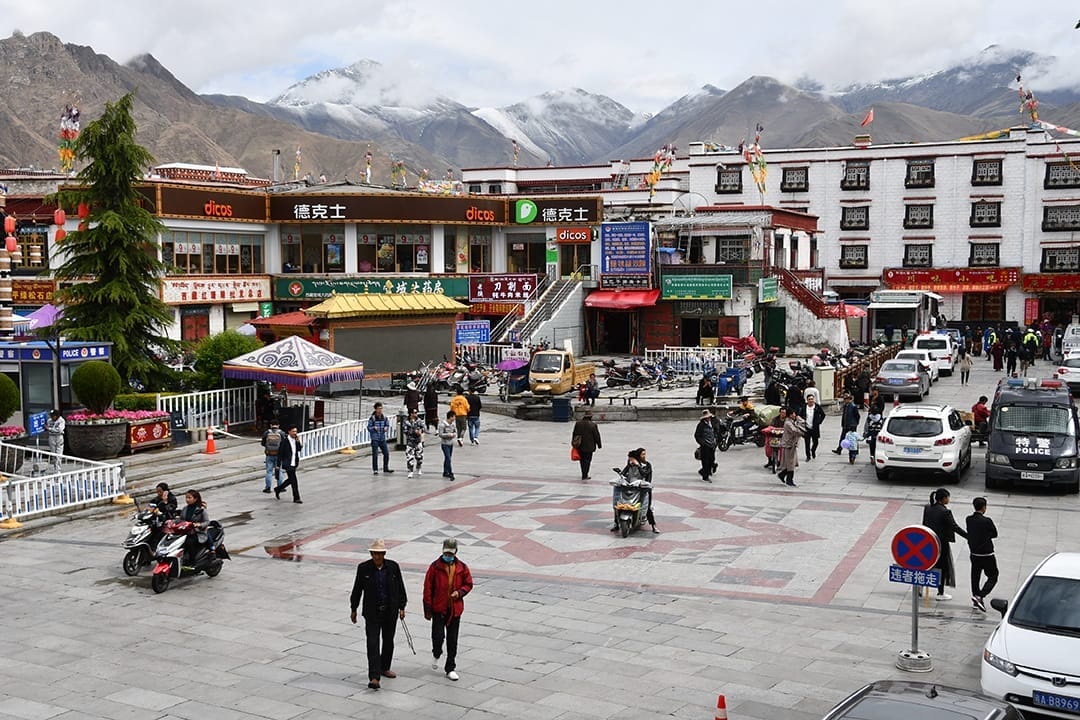
Visiting Lhasa offers a unique glimpse into Tibetan culture, and understanding local etiquette is key to fully appreciating this vibrant city. Embracing the warmth of Tibetan hospitality enhances your experience, so keep these essential tips in mind:
- Respect the Monks: Always greet them politely; they’re central to Lhasa’s spiritual life.
- Use Your Right Hand: When handing items, the right hand is preferred; it’s a sign of respect.
- Avoid Touching the Buddha Statues: This is considered disrespectful; admire them from a distance.
- Participate in Cultural Gestures: Joining locals in rituals, like spinning prayer wheels, can deepen your connection.
Best times to visit Lhasa: Weather and Festivals
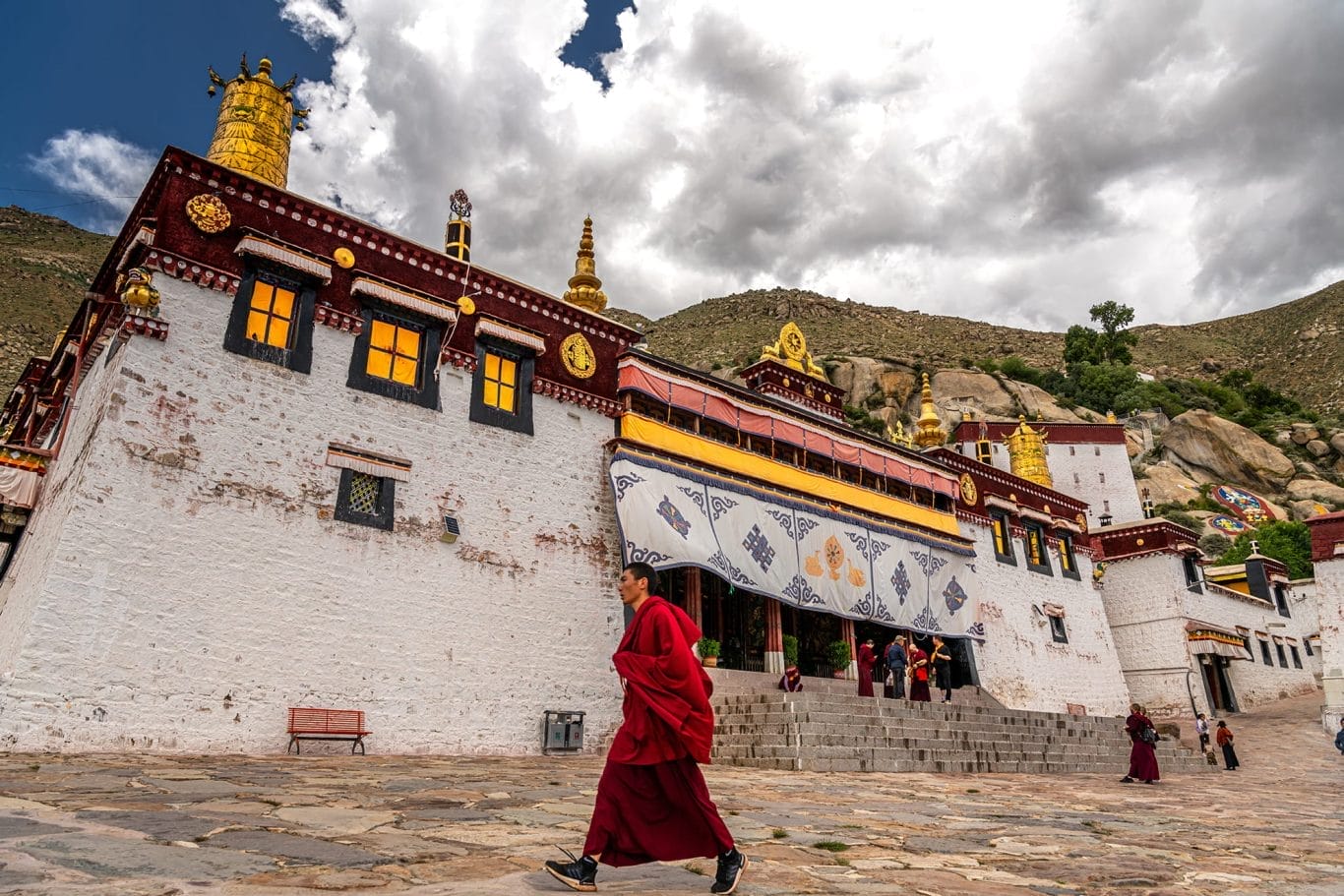
Understanding local etiquette sets the stage for an enriching experience in Lhasa, but knowing the best times to visit can elevate your journey even further. The best months to explore this vibrant city are April to October, when temperatures range from a comfortable 15°C to 25°C (59°F to 77°F). During this period, you can immerse yourself in lively festivals like Saga Dawa and the Shoton Festival, where the streets come alive with color and culture. The crisp, clear air and stunning blue skies create the perfect backdrop for your adventures. While winter offers a serene, quieter Lhasa, the cold can drop to -10°C (14°F). So, if you’re seeking warmth and vibrancy, plan your visit during those golden months.
Travel tips for a smooth trip to Lhasa
Planning a trip to Lhasa can be an exhilarating experience, but a few essential tips can make your journey even smoother. Here’s what you should keep in mind:
- Altitude sickness: Acclimatize slowly, drink plenty of water, and consider medication.
- Travel insurance: Always secure thorough coverage for unforeseen circumstances.
- Packing essentials: Bring layers, sunblock, and a reusable water bottle.
- Local customs: Familiarize yourself with cultural etiquette, like greeting with a smile and being respectful at religious sites.
Don’t forget to exchange currency before you arrive, and brush up on basic language tips to connect more with locals. Follow photography guidelines to respect privacy, and stay informed about safety advice for a worry-free adventure!