

Introduction
Ashtapad stands as a core Jain pilgrimage site, representing the path to moksha (liberation) and self-realisation. The site connects directly to the teachings of Mahavira, who taught ahimsa (non-violence), aparigraha (non-attachment), and disciplined ethical conduct in 6th century BCE India.
The location combines sacred geography, doctrinal philosophy, and ritual practice. Pilgrims visit to practice meditation, observe vows, and study karmic principles. The terrain, temples, and symbolic elevation reinforce one outcome: progress toward liberation from the cycle of birth and death (samsara).
Key Takeaways
- Ashtapad functions as a Jain cosmological landmark, associated with Tirthankaras and liberation pathways
- It reflects Mahavira’s doctrine, focusing on discipline, truth, and non-violence
- The site includes temples, ritual pathways, and symbolic architecture tied to Jain practice
- Core teachings include karma theory, ascetic discipline, and meditation systems
- The surrounding environment supports reflection, silence, and controlled movement
The historical significance of Ashtapad
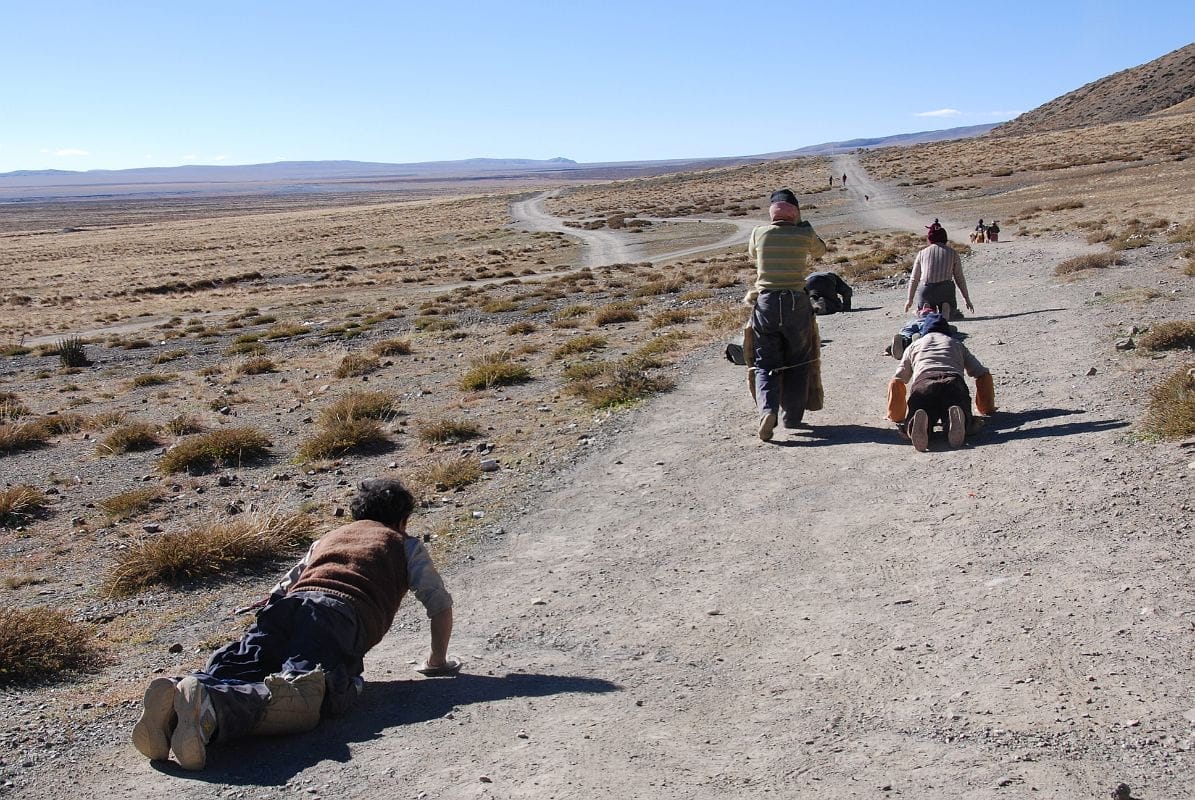
Ashtapad holds a defined role within Jain cosmology and pilgrimage structure. It is not simply a mountain; it is identified as a spiritual ascent model, representing the transition from material existence to liberation.
Jain texts associate Ashtapad with:
- Residence of Tirthankaras
- Liberation events (nirvana sites)
- Cosmic alignment between physical and spiritual realms
The site encodes doctrinal teachings into geography. Pilgrims do not just visit—they retrace a structured path of detachment, awareness, and discipline.
Understanding Ashtapad requires recognising its role in:
- Karma resolution frameworks
- Renunciation practices
- Liberation-oriented belief systems
This positions Ashtapad as a functional spiritual system, not just a historical location.
Lord Mahavira’s Liberation Journey: Historical Context
The life of Mahavira developed within a period of philosophical reform in ancient India. Competing schools challenged ritualism and hierarchy. Mahavira introduced a system built on:
- Self-discipline (tapas)
- Non-violence (ahimsa)
- Truth (satya)
- Non-possession (aparigraha)
His approach required renouncing material identity, adopting ascetic practices, and maintaining strict behavioural control.
This was not symbolic. It was operational.
Mahavira demonstrated that liberation requires:
- Action control (karma reduction)
- Mental discipline (meditation)
- Behavioural consistency (ethics)
Ashtapad aligns with this model. It represents the end-point of disciplined practice—a location tied to spiritual completion, not theory.
Temples and sacred sites of Ashtapad
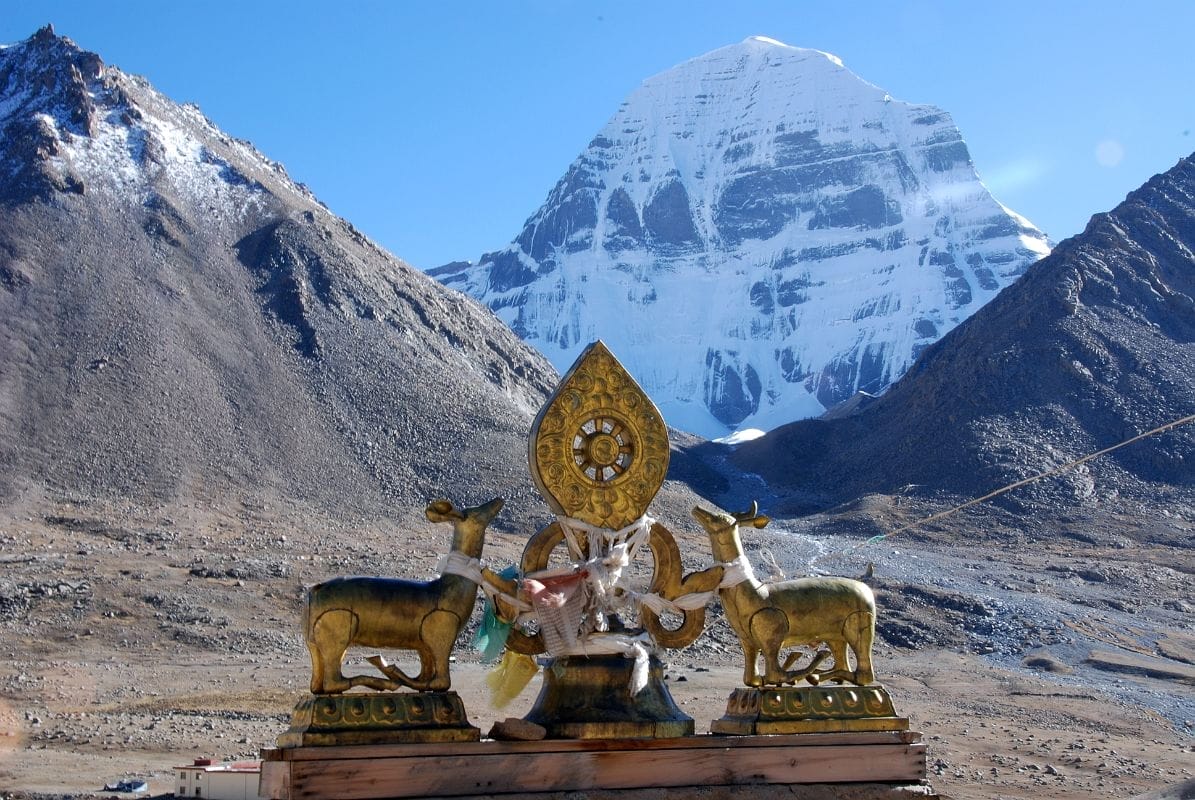
The temples at Ashtapad are built to support ritual, reflection, and doctrinal continuity. Each structure serves a defined purpose:
- Shrines → focus points for devotion and contemplation
- Carvings → visual representation of Jain teachings
- Pathways → structured movement aligned with pilgrimage rituals
Architecture follows Jain design principles:
- Symmetry
- Symbolic elevation
- Minimalism aligned with ascetic values
These are not decorative elements. They guide behaviour.
Visitors engage with:
- Prayers (darshan)
- Silent observation
- Ritual movement (circumambulation)
The environment controls pace, sound, and focus. It supports mental clarity and disciplined engagement.
Key philosophical teachings from Ashtapad
Ashtapad communicates Jain philosophy through practice, not explanation. The teachings are direct and measurable.
Core Doctrines
- Karma (Action–Result System)
Every action produces a consequence. Control actions to reduce karmic accumulation. - Ahimsa (Non-Violence)
Avoid harm in thought, speech, and action. This applies to all living beings. - Aparigraha (Non-Attachment)
Reduce dependency on material possessions. Limit desire. Control consumption. - Meditation (Dhyana)
Train the mind to remain stable, focused, and detached.
Application
Visitors are expected to:
- Regulate behaviour
- Reduce distraction
- Maintain awareness
The outcome is clear:
Lower karmic burden. Increase clarity. Progress toward liberation.
Jain Pilgrimage Practices at Ashtapad
| Ritual | Function | Outcome |
|---|---|---|
| Pradakshina | Circumambulate sacred sites | Reinforces discipline and devotion |
| Meditation | Controlled mental focus | Reduces mental disturbance |
| Offerings | Present symbolic materials | Expresses detachment and gratitude |
| Chanting | Recite scriptures | Strengthens doctrinal alignment |
| Fasting | Restrict intake | Builds physical and mental control |
Each action is deliberate.
Each ritual trains the individual to control body, speech, and mind.
Natural landscapes surrounding Ashtapad
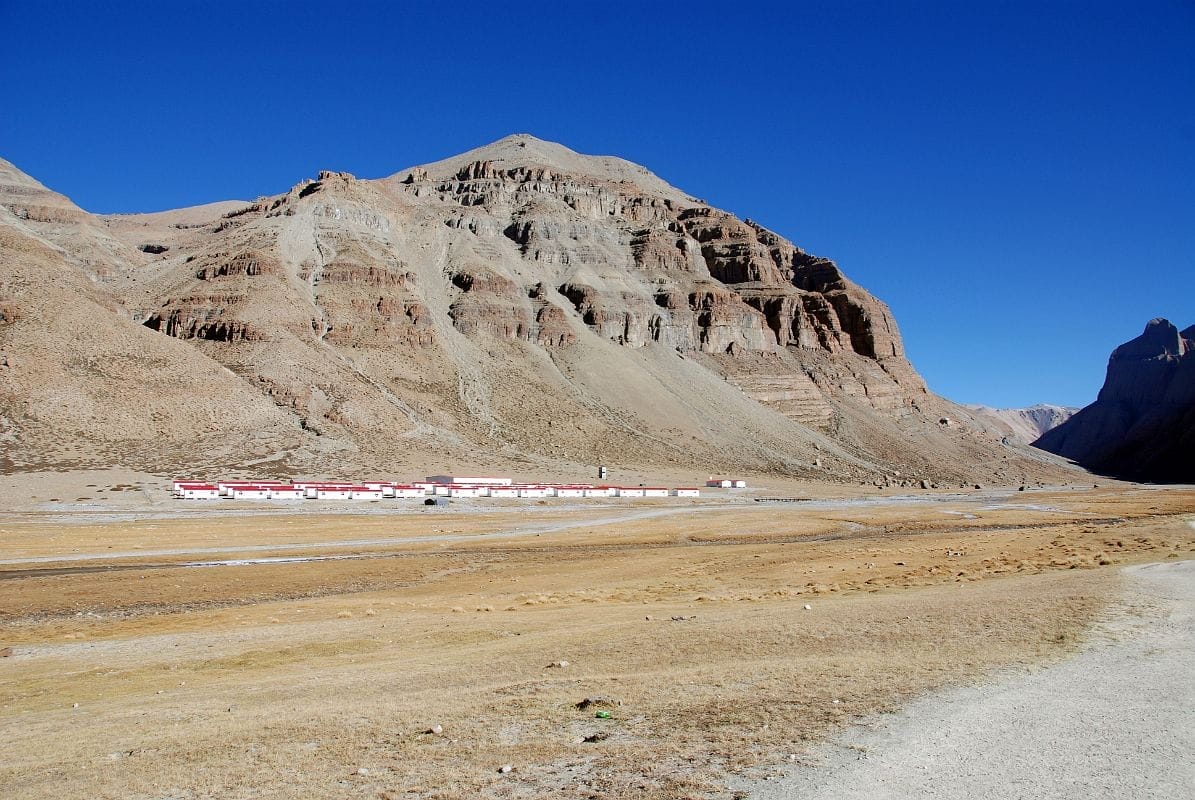
The surrounding environment is not incidental. It plays a defined role in the pilgrimage experience.
Mountain Structure
- High-altitude terrain restricts movement
- Reduced oxygen slows pace
- Silence increases awareness
This forces:
- Controlled breathing
- Intentional movement
- Focused attention
Water Bodies
- Lakes and streams provide visual stillness
- Reflection surfaces reinforce internal reflection
- Natural sound reduces mental noise
Together, these elements create a low-distraction environment that supports:
- Meditation
- Observation
- Discipline
Tips for visiting Ashtapad: Essential Information
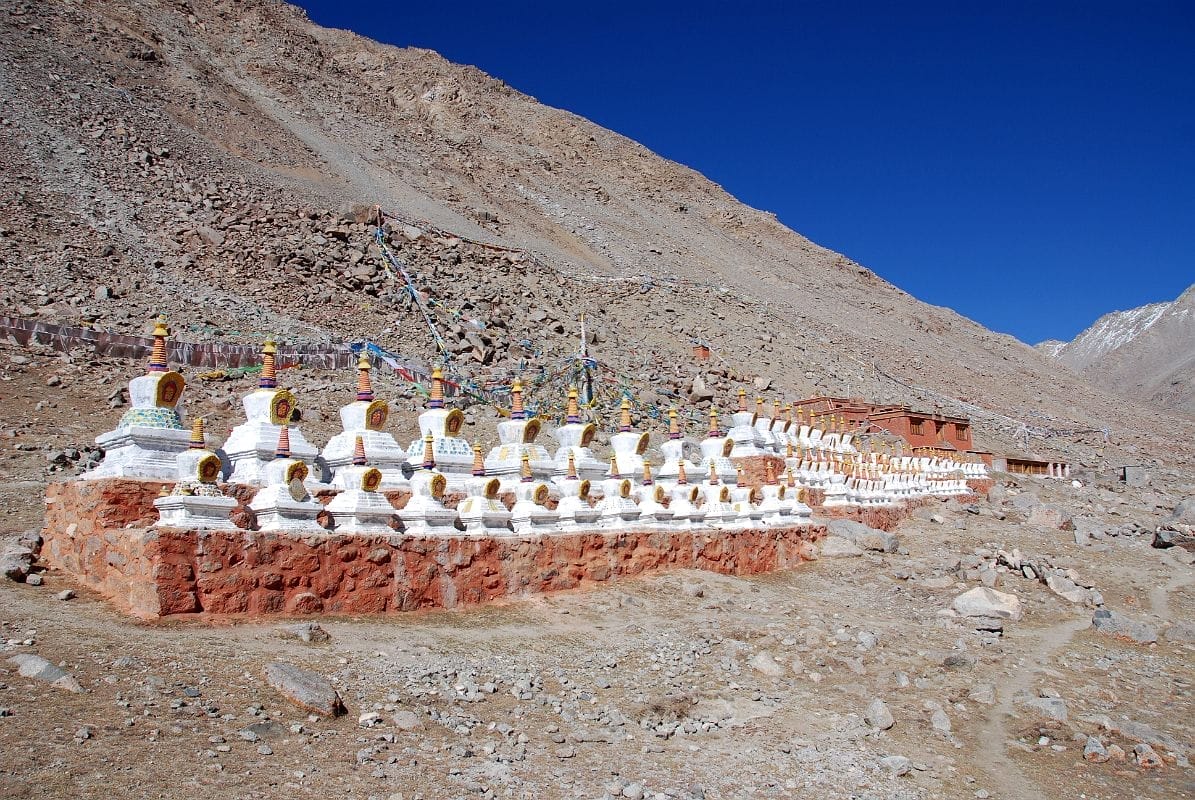
Plan your visit with clear intent. This is not a casual destination.
Practical Guidance
- Engage Local Knowledge
Speak with guides or practitioners to understand ritual expectations. - Wear Appropriate Clothing
Choose modest, functional attire suitable for altitude and religious settings. - Maintain Behavioural Control
Keep noise low. Avoid disruptive actions. Follow site protocols. - Prepare Physically
Altitude and terrain require stamina. Train accordingly. - Respect Restrictions
Follow rules related to photography, access, and ritual zones.