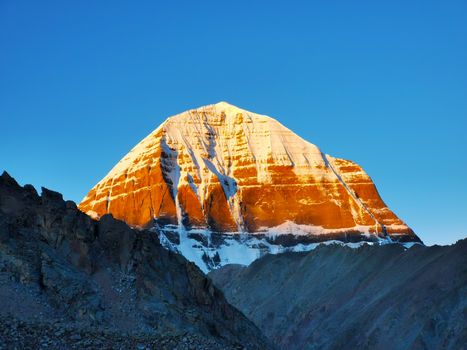


Planning your Kailash Mansarovar Yatra 2027 begins with one important decision: should you choose the overland route or travel by helicopter? The overland journey offers gradual altitude acclimatisation, spectacular landscapes and a more immersive experience, while the helicopter route reduces travel time and may suit pilgrims with limited availability. However, each option differs in cost, comfort, physical demands and the risk of weather-related delays. This guide compares the Kailash Mansarovar Yatra overland and helicopter routes to help you choose the safest and most suitable option for your pilgrimage.
The Kailash Mansarovar Yatra is a sacred pilgrimage to Mount Kailash and Lake Mansarovar drawn by spiritual seekers from around the world. The journey reaches one of the highest lakes on Earth at 4,590 meters and circumambulates a peak revered in Hinduism, Buddhism, Jainism, and Bon. Travelers have multiple route options, each differing in duration, physical demands, and cost. For the 2027 yatra, two broad categories stand out: overland routes organized through the Indian government and helicopter-assisted routes primarily operating from Nepal. Understanding these options helps pilgrims choose the path that best matches their fitness, time, and comfort level.
Understanding the Main Routes to Mount Kailash
The Southern Route from Lhasa
The most popular Kailash Manasarovar Yatra route is the Southern Route from Lhasa. This is the shortest way from the Tibetan capital to Mount Kailash. It passes through Shigatse and Everest Base Camp, offering views of Yamdrok Lake and Tashilhunpo Monastery along the way. Pilgrims traveling this route benefit from a well-trodden path with established facilities.
The Northern Route from Lhasa
The Northern Route from Lhasa goes through North Qiangtang and is more adventurous. This path cuts through remote wilderness and offers greater opportunities for wildlife viewing. The route is less crowded but requires a longer overland journey, making it suitable for travelers seeking solitude and raw landscape experiences.
The Lipulekh Pass Route (Uttarakhand)
The Lipulekh route is 14 to 18 days long and involves about 60 kilometers or more of trekking. It crosses Lipulekh Pass at an altitude of 5,200 meters. This route is physically demanding and best suited for pilgrims with strong trekking experience. The Indian government organizes yatris through this pass, with registration handled online.
The Nathu La Pass Route (Sikkim)
The Nathu La route takes 20 days or more, requires less trekking, and provides vehicle support. This makes it more suitable for senior citizens and those with moderate fitness. The journey passes through Sikkim and enters Tibet via Nathu La, offering a less strenuous alternative while still completing the full pilgrimage circuit.
The Kathmandu Route (Nepal)
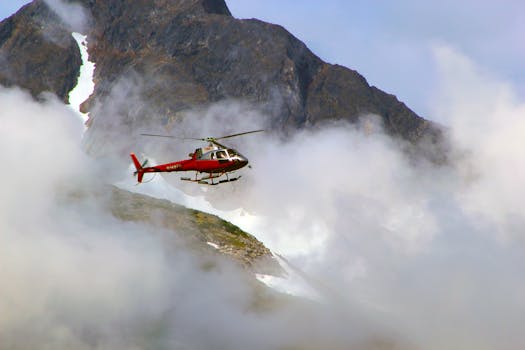
The Kathmandu route is the most popular and flexible option, offering both helicopter and road choices. This route typically takes 13 to 16 days. It starts in Nepal and crosses into Tibet, with the option to use helicopters for parts of the journey, especially from Nepalgunj to Simikot to Hilsa, reducing total travel time significantly. Foreigners require a Tibet group visa and travel permits when using this route.
Overland vs Helicopter: Key Differences
Duration and Physical Demands
Overland routes, such as the Lipulekh and Nathu La passes, demand a significant time commitment of 14 to 20 days or more. The Lipulekh route includes heavy trekking over 60 kilometers at high altitude, while the Nathu La route is less trek-intensive but longer overall. In contrast, the helicopter route is the shortest Kailash Yatra option, completing in as few as 5 days from Lucknow or Kathmandu. Helicopter travel reduces the amount of trekking needed, lowering physical strain.
Accessibility and Suitability
Overland routes require good physical fitness, particularly the Lipulekh option with its high pass crossing. The Nathu La route is more accessible for older pilgrims due to its vehicle support. The helicopter route offers flexibility for those with limited time or who prefer to avoid extended walking at altitude. For the 2027 yatra, the Indian government organizes groups of 50 yatris per batch, with 10 batches per route, ensuring structured access for overland pilgrims. Helicopter services on the Nepal route operate through private tour operators.
The Parikrama (Kora)
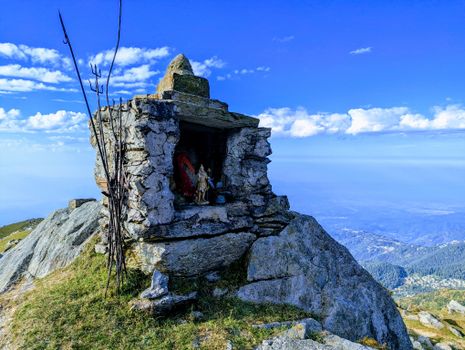
Regardless of the route chosen to reach the sacred mountain, the circumambulation, or outer kora, of Mount Kailash is approximately 52 kilometers. About 10 kilometers can be done by vehicle, and 42 kilometers must be trekked. The standard three-day parikrama proceeds from Darchen to Dirapuk on the first day (12 kilometers), then over Dolma La pass at 5,630 meters to Zuthulpuk on the second day (22 kilometers), and finally back to Darchen on the third day (12 kilometers). Some pilgrims choose inner kora options, which include shorter treks like Charan Sparsh (6 kilometers from Dirapuk), Kuber Kund Trek (18 kilometers), or Nandi Kora starting from Darchen. These are considered more advanced and physically demanding.
2027 Yatra: Government Organised Routes
For the 2027 yatra, the Indian government is organizing routes via Lipulekh Pass in Uttarakhand and Nathu La Pass in Sikkim. Pilgrims must register online at kmy.gov.in. Selections are made through a computerised random draw, with gender balance considered. The yatra runs from June to August, with groups of 50 yatris per batch and 10 batches per route. This structure provides a clear framework for overland pilgrims. Helicopter routes are not part of this government organization and are instead arranged independently through Nepal-based operators.
Choosing the Right Route for 2027
Pilgrims should assess their fitness, time constraints, and budget before deciding. Overland routes offer a traditional, immersive experience but require more physical stamina. Helicopter routes provide speed and reduced physical strain but rely on private operators. The best time for either option is May to September, with June through August being the most favorable months. Photography is not allowed near the Tibet border and army posts during the yatra, regardless of route.
| Feature | Overland Route (India Government) | Helicopter Route (Nepal) |
| Approximate Duration | 14 to 20+ days | 5 to 16 days |
| Physical Demands | Moderate to high (60+ km trekking for Lipulekh) | Low (minimal trekking) |
| Trekking Required | Substantial for Lipulekh; less for Nathu La | Very limited; helicopter flights cover rough sections |
| Suitability | Physically fit pilgrims; Nathu La suitable for seniors | Time-constrained pilgrims, elderly, or those seeking comfort |