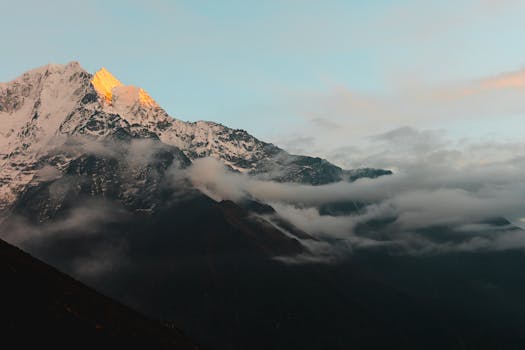

The Damodar Kunda Trek is one of the toughest high-altitude treks in Nepal, alongside Upper Dolpo and the Everest Three Passes. It leads to the sacred Damodar Kunda lake, situated in the rain shadow of the High Himalayas north of the Annapurna range. This remote pilgrimage route in Upper Mustang combines deep religious significance with challenging mountain terrain, making it a unique journey for both devout Hindus and adventure seekers. The trek typically requires about three weeks and offers a rare glimpse into the ancient culture and stark beauty of the trans-Himalayan region.
Understanding the Damodar Kunda Trek
Damodar Kunda is a high-altitude lake revered in the Hindu religion. The elevation of the lake itself is listed at 4,890 meters in some sources and at 5,600 meters in others; either way, it is a cold, windy, and oxygen-thin environment. The trek to this sacred site has been open for trekking since 2002. Depending on the specific itinerary and the pace of the group, the Damodar Kunda Lake trek usually takes around 18 to 20 days, with some itineraries extending to 22 or 23 days when combined with a visit to Muktinath and other cultural villages of Upper Mustang.
The Damodar Kunda and Muktinath Trekking package is often designed as a 23-day journey that reaches both destinations and explores many ancient cultural villages of the Upper Mustang area. Because the route lies in a restricted region, a special trekking permit is required. The destination is famous for its Hindu pilgrimage value, and the trek itself is considered one of the most challenging in Nepal due to its remoteness and altitude.
Why Damodar Kunda is a Sacred Pilgrimage
Damodar Kunda is a holy site for Hindus. Pilgrims believe that bathing in its icy waters cleanses sins and brings spiritual merit. The pilgrimage is especially significant during the full moon of August every year, when a big festival is celebrated at the lake. Many Hindu devotees combine their visit to Damodar Kunda with a stop at Muktinath, another sacred site located along the same route. The entire trek is as much a spiritual test of endurance as it is a physical one, following ancient trade and pilgrimage paths through the barren, wind-swept landscapes of Upper Mustang.
Trek Highlights and Route
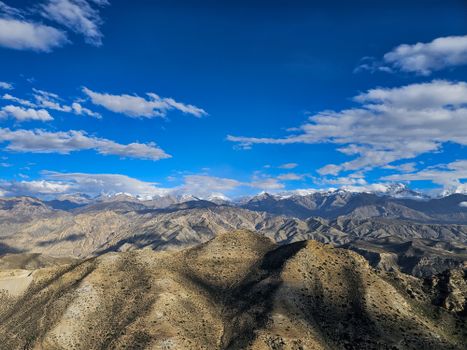
The trek to Damodar Kunda typically starts and ends in Kathmandu. After a flight to Pokhara or Jomsom, the trail winds through the Kali Gandaki valley, passing through the unique arid terrain of Mustang. The route often includes a visit to Muktinath, a temple sacred to both Hindus and Buddhists, before continuing north toward the Tibetan plateau. The Damodar Kunda-Muktinath trek is famous for offering both religious sites and the cultural richness of Upper Mustang’s ancient villages, which retain a distinct Tibetan Buddhist heritage. The full 23-day Damodar Kunda and Muktinath Trekking itinerary covers these cultural pockets along with the high-altitude lake itself.
Typical Itinerary Snapshot
Most standard Damodar Kunda treks last between 18 and 22 days. The journey begins with a flight from Kathmandu to Pokhara and then to Jomsom, the gateway to Upper Mustang. From Jomsom, trekkers ascend through Kagbeni, Chele, Syangboche, and Ghami before reaching the high plateau area around Damodar Kunda. The return route may loop back via Muktinath and Marpha. Side trips to remote monasteries and passes are common, but these can add extra days to the schedule. The itinerary is strenuous, with daily walking hours of five to seven hours at high elevation.
Best Time to Trek Damodar Kunda
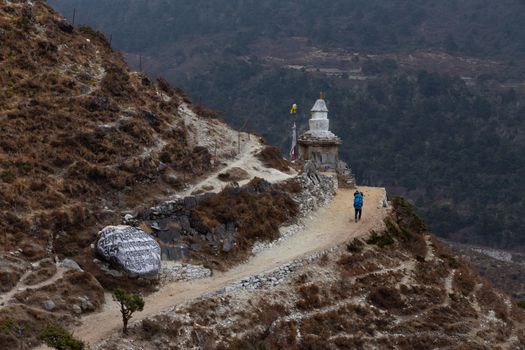
The best time to trek to Damodar Kunda is during the spring (March to May) and autumn (September to November). During these months, the weather is relatively stable and clear, offering good visibility of the surrounding peaks and the dry, desert-like landscape of Mustang. The winter months are extremely cold and the trail may be blocked by snow, while the monsoon season (June to August) can bring rain and leeches at lower elevations, although Mustang itself lies in a rain shadow and receives less precipitation. For those wishing to witness the full moon festival at Damodar Kunda, planning a trip around the full moon of August is essential, even though that falls in the monsoon season; the weather in Upper Mustang is typically drier than in the rest of Nepal during this time.
Trek Difficulty and Preparation
The Damodar Kunda Trek is considered one of the toughest treks in Nepal. Factors that contribute to its difficulty include high altitude (reaching over 5,000 meters), extreme remoteness, lack of infrastructure, and the need for a special permit. Trekkers must be physically fit and have prior high-altitude trekking experience. Acclimatization days are built into most itineraries to reduce the risk of altitude sickness. The terrain is rocky and often windswept, and daytime temperatures can be cool even in the best seasons. Preparation should include cardiovascular training, gear suitable for sub-zero nights, and a reliable trekking agency that can arrange permits and support staff. Because the trek is long and isolated, self-sufficient camping or teahouse stays are the norm, and supplies are limited once beyond Jomsom.